
Understanding the UV Index: A Beginner's Guide
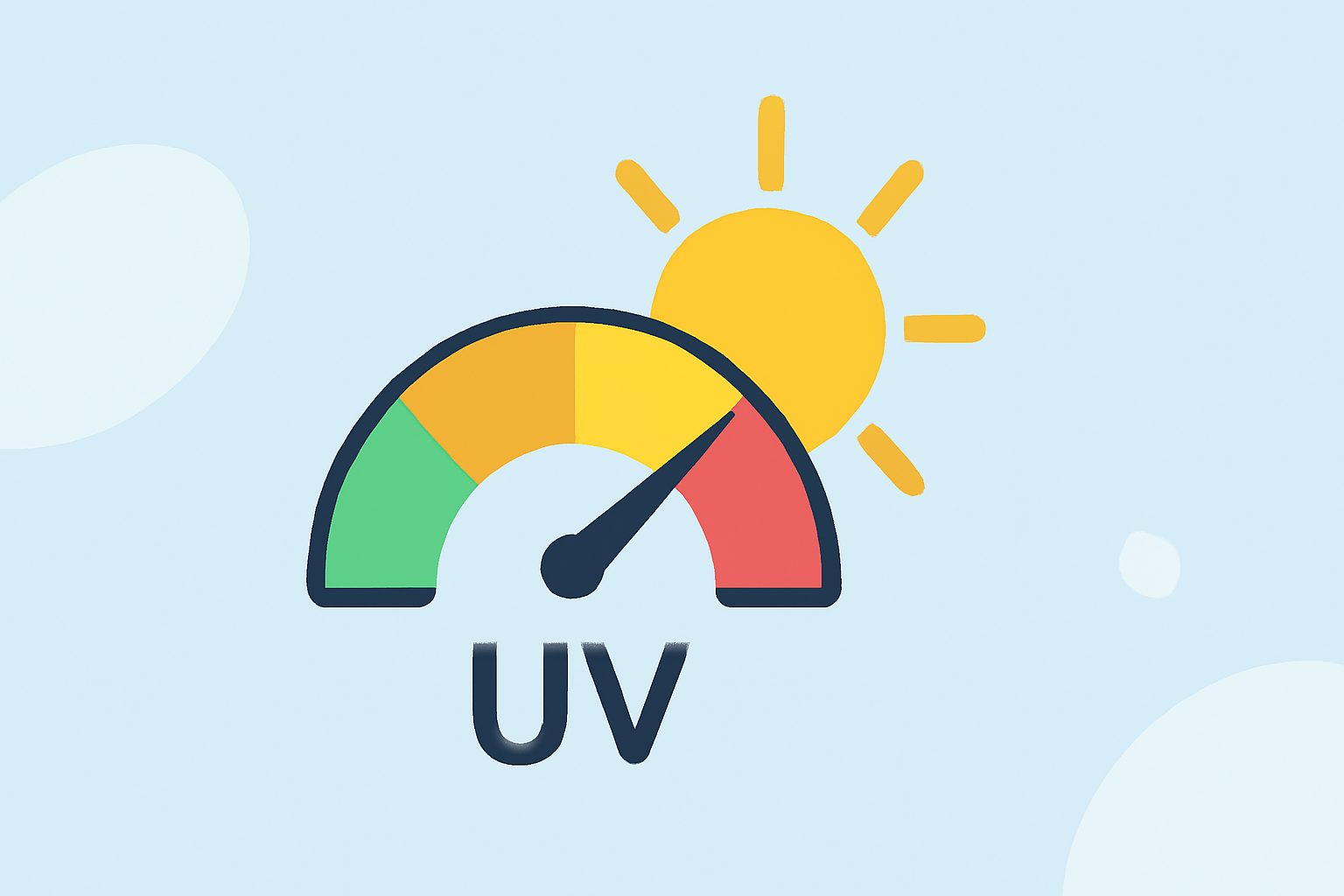
The Ultraviolet (UV) Index is a daily forecast that indicates the expected risk of overexposure to UV radiation from the sun. Developed by the U.S. Environmental Protection Agency (EPA) and the National Weather Service, it helps individuals make informed decisions about sun safety. (epa.gov)
What Does the UV Index Measure?
The UV Index measures the intensity of UV radiation reaching the Earth's surface, considering factors like ozone depletion, time of year, and local weather conditions. It provides a scale from 0 (low) to 11+ (extremely high), indicating the potential for skin damage. (epa.gov)
Understanding the UV Index Scale
- 0 to 2 (Low): Minimal risk of harm from unprotected sun exposure.
- 3 to 5 (Moderate): Moderate risk; protection is needed.
- 6 to 7 (High): High risk; protection is needed.
- 8 to 10 (Very High): Very high risk; extra protection is needed.
- 11+ (Extreme): Extreme risk; take all precautions.
For example, a UV Index of 3 to 5 suggests a moderate risk, where protection is needed. (epa.gov)
How Is the UV Index Calculated?
The UV Index is calculated using a computer model that factors in:
- Ozone Concentration: The amount of ozone in the stratosphere, which absorbs UV radiation.
- Sun Angle: The position of the sun in the sky, affecting the intensity of UV radiation.
- Elevation: Higher altitudes receive more UV radiation.
- Cloud Cover: Clouds can reduce UV exposure, but some types may allow significant UV radiation to reach the surface.
These factors are combined to estimate the UV Index for a specific location and time. (epa.gov)
Sun Safety Tips Based on UV Index Levels
- Low (0-2): No protection needed; you can safely enjoy being outside.
- Moderate (3-5): Protection needed; seek shade during midday hours, wear protective clothing, and apply broad-spectrum sunscreen with SPF 30+.
- High (6-7): Protection needed; wear a wide-brimmed hat, sunglasses, and use sunscreen.
- Very High (8-10): Extra protection needed; minimize sun exposure, wear protective clothing, and use sunscreen.
- Extreme (11+): Take all precautions; avoid sun exposure during midday hours.
These guidelines help reduce the risk of skin damage and other health issues associated with UV radiation. (epa.gov)
How to Check the UV Index for Your Area
To find the UV Index forecast for your location:
- Visit the EPA's Envirofacts website.
- Enter your ZIP code or city and state.
- Review the daily UV Index forecast and associated sun safety recommendations.
Regularly checking the UV Index can help you plan outdoor activities and take appropriate precautions to protect your skin and eyes. (enviro.epa.gov)
By understanding the UV Index and following recommended sun safety practices, you can enjoy outdoor activities while minimizing the risks associated with UV exposure.
Highlights:
- Learn About the UV Index | US EPA, Published on Monday, January 26
- UV Index Overview | US EPA, Published on Monday, March 23
- UV Index Scale | US EPA, Published on Wednesday, January 21