
Understanding Tick Activity During Hurricane Season: A Comprehensive Outlook
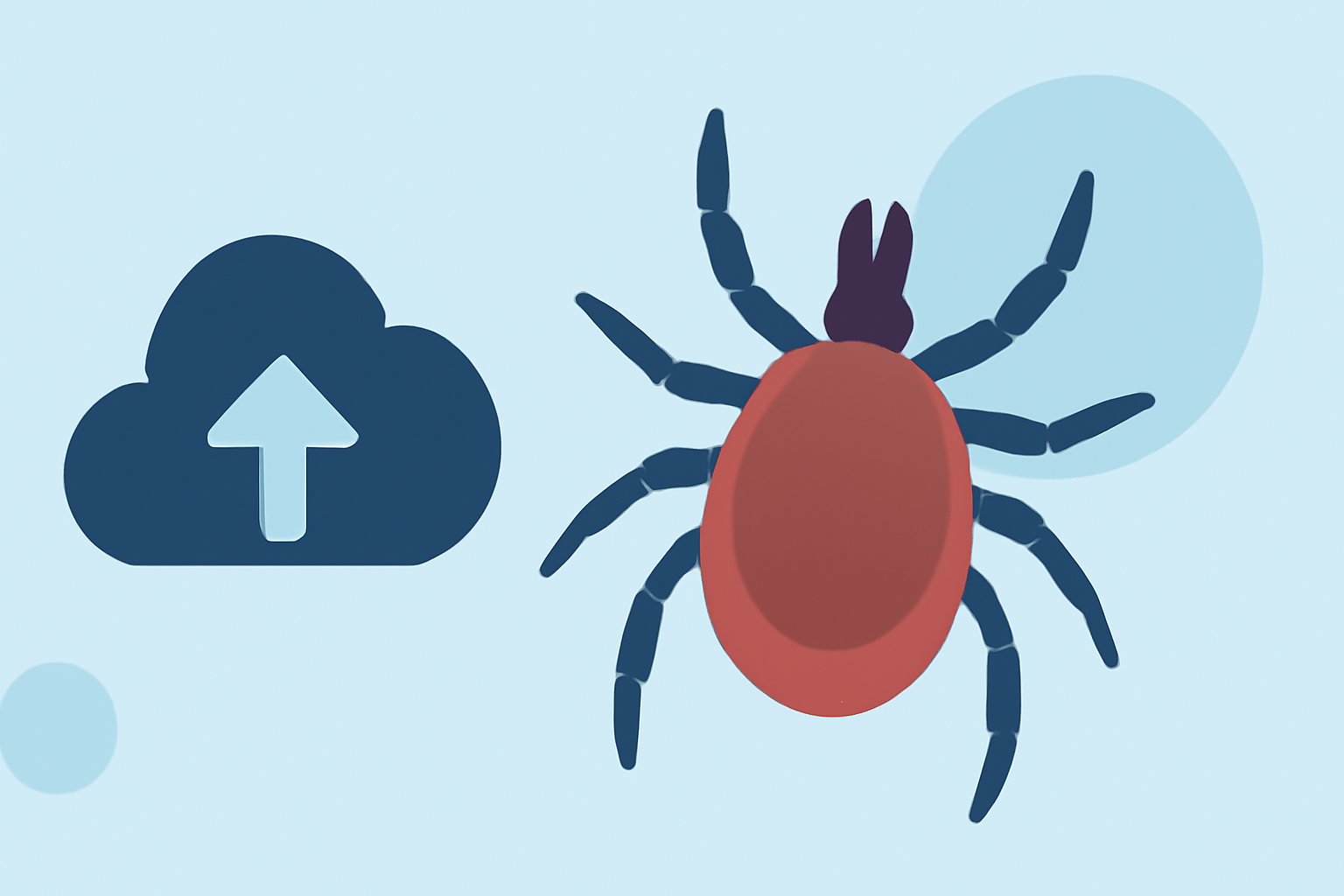
Hurricane season in the United States, spanning from June to November, brings significant weather events that can impact various aspects of the environment, including tick activity. Understanding the interplay between these natural phenomena is crucial for effective tick management and personal safety.
How Does Hurricane Season Affect Tick Populations?
Ticks are most active from April to September in many parts of the United States, with peak activity during the warmer months. (terminix.com) Hurricanes, characterized by heavy rainfall and strong winds, can disrupt tick habitats by flooding areas where ticks reside, such as forests and grasslands. This disruption can lead to a temporary decrease in tick populations in affected regions.
What Are the Risks of Tick-Borne Diseases During Hurricane Season?
Despite potential short-term reductions in tick numbers due to hurricanes, the risk of tick-borne diseases remains significant. Ticks can carry various pathogens, including bacteria and parasites, that cause illnesses such as Lyme disease and babesiosis. Even if tick populations decrease temporarily, the remaining ticks can still pose health risks to humans and animals.
How Can I Protect Myself from Tick Bites During Hurricane Season?
To minimize the risk of tick bites during hurricane season, consider the following strategies:
-
Avoid Tick Habitats: Steer clear of areas with dense vegetation, tall grasses, and leaf litter, as these are common tick habitats.
-
Use Tick Repellents: Apply insect repellents containing DEET or picaridin to exposed skin and clothing.
-
Wear Protective Clothing: Dress in long-sleeved shirts, long pants, and tuck pants into socks to reduce skin exposure.
-
Perform Tick Checks: After spending time outdoors, thoroughly check yourself, children, and pets for ticks.
-
Maintain Yard Hygiene: Keep your yard well-maintained by mowing grass regularly and removing leaf litter to reduce tick habitats.
How Does Clime Assist in Tick Management?
Clime offers advanced weather tracking and forecasting tools that can help you stay informed about weather conditions during hurricane season. By providing real-time data and predictive analytics, Clime enables you to anticipate weather events that may affect tick habitats and plan outdoor activities accordingly. This proactive approach allows for better preparation and risk mitigation concerning tick exposure.
Conclusion
While hurricanes can temporarily disrupt tick habitats, they do not eliminate the risk of tick-borne diseases. By understanding the relationship between hurricane season and tick activity, and by implementing preventive measures, you can significantly reduce the risk of tick bites and associated illnesses. Utilizing tools like Clime can further enhance your preparedness and safety during this period.
Highlights:
- Why It’s A Bad Season For Ticks And Mosquitoes, According To This Bug Expert – Press Room - Montclair State University, Published on Sunday, June 25
- Tick reports on the rise as temperatures warm up this summer | Fox Weather, Published on Thursday, June 22
- Sun's out, ticks out. Lyme disease-carrying bloodsucker season is getting longer | WLRN, Published on Monday, April 17