
Understanding Tick Activity During Workouts: A Seasonal Outlook
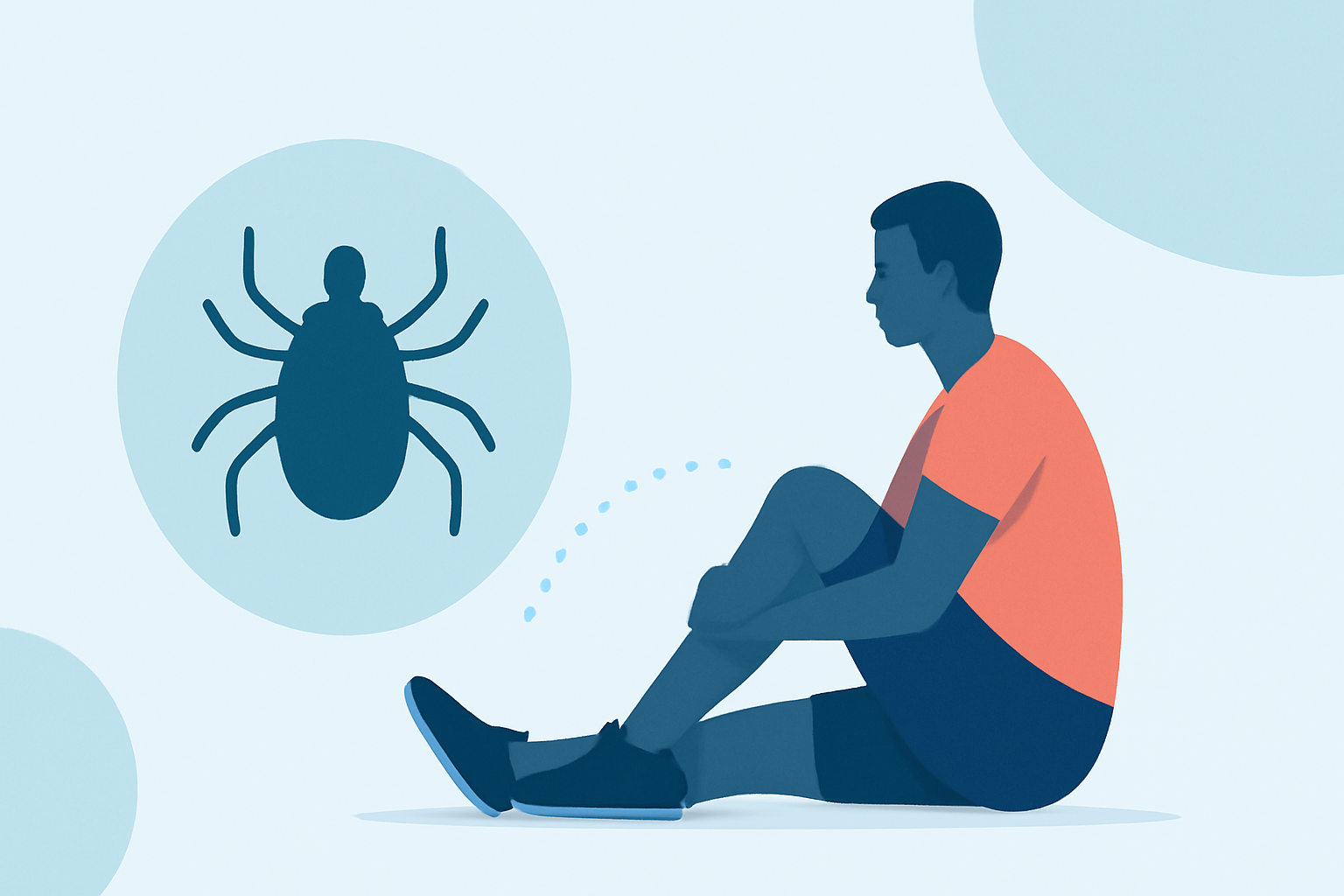
Ticks are most active from April to September in many parts of the United States, with peak activity from May through August. (terminix.com) This period coincides with warmer temperatures and higher humidity, creating ideal conditions for ticks to thrive.
Regional Variations in Tick Activity
Tick activity varies across the U.S. due to differences in climate and tick species:
-
Northeast and Midwest: Peak activity from late March to November, with nymphs most active from May to July and adults from October to November. (bitebackdefense.com)
-
Southern U.S.: Ticks can be active year-round, with peak activity from February to November. (bitebackdefense.com)
-
Western U.S.: Activity peaks in spring and early summer, tapering off as temperatures rise and humidity drops. (terminix.com)
Tick Activity During Workouts
Outdoor workouts, such as hiking, running, or cycling, often take place in areas where ticks are prevalent, including wooded trails, grassy fields, and parks. During peak tick season, the risk of encountering ticks increases, making it essential to take preventive measures.
Protective Measures
To reduce the risk of tick bites during workouts:
-
Wear Protective Clothing: Opt for long-sleeved shirts, long pants, and tuck pants into socks to minimize exposed skin.
-
Use Tick Repellents: Apply EPA-approved insect repellents to exposed skin and clothing.
-
Stay on Trails: Stick to the center of trails to avoid brushing against vegetation where ticks may reside.
-
Perform Tick Checks: After exercising outdoors, thoroughly check your body and gear for ticks.
Tick Removal and Monitoring
If you find a tick attached to your skin, remove it promptly using fine-tipped tweezers. Grasp the tick as close to the skin's surface as possible and pull upward with steady, even pressure. Clean the bite area and your hands with rubbing alcohol, an iodine scrub, or soap and water. Monitor the bite site for signs of illness, such as a rash or fever, and consult a healthcare provider if symptoms develop.
Conclusion
Understanding tick activity patterns and implementing preventive measures can significantly reduce the risk of tick bites during outdoor workouts. By staying informed and vigilant, you can enjoy your exercise routines safely throughout the year.
Highlights:
- When is Tick Season in the US? Tick Behavior & Prevention Tips, Published on Tuesday, April 14
- When Are Ticks Most Active? – TickCheck Shop, Published on Sunday, November 16
- When is Tick Season - The Complete USA Guide