
Understanding Tick Season: Essential Insights for 2026
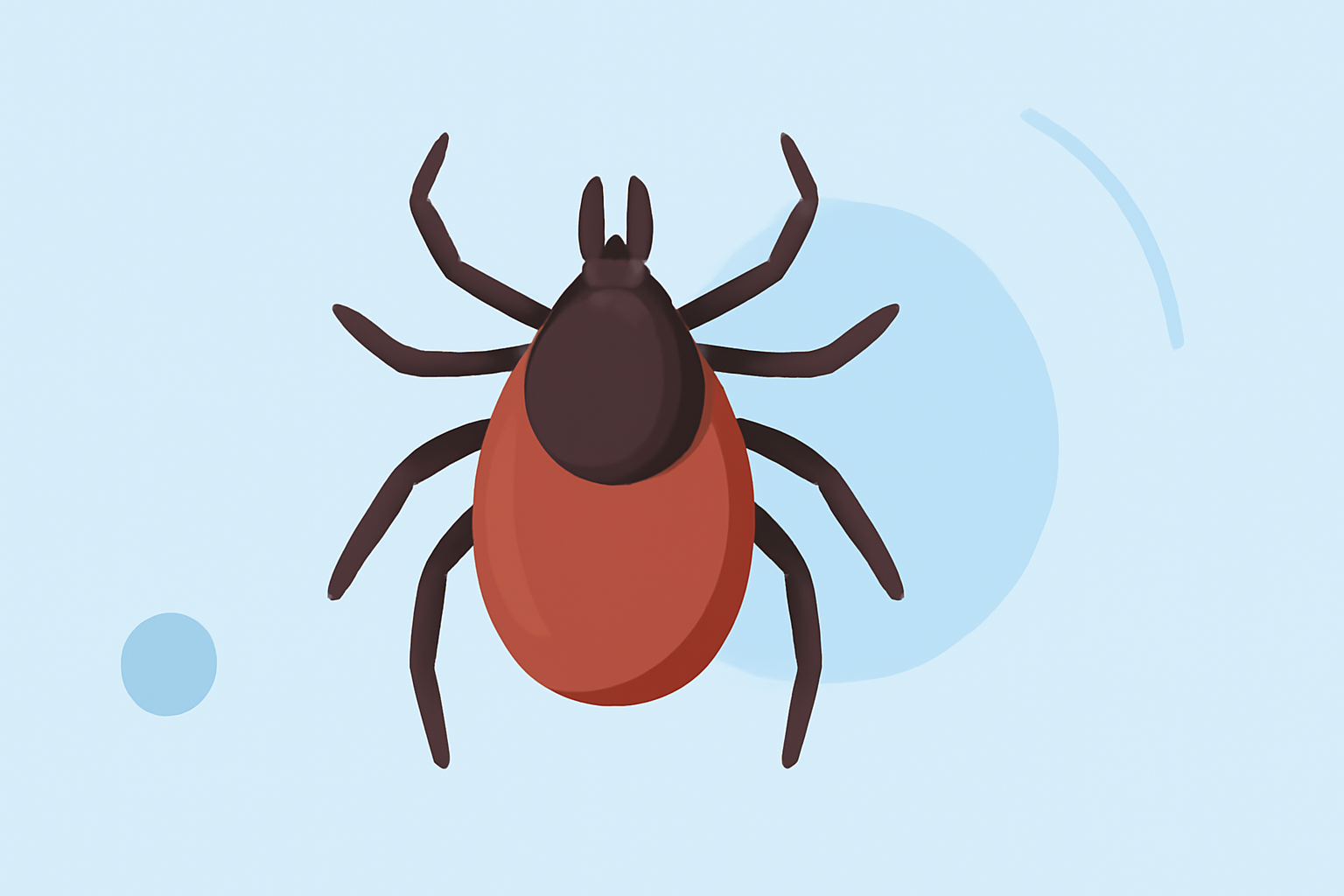
As summer approaches, tick activity in the United States is expected to increase, posing risks of tick-borne diseases. Understanding tick behavior, associated health risks, and preventive measures is crucial for safeguarding health during this period.
What Are Ticks and Why Are They a Concern?
Ticks are small, blood-feeding arachnids that can transmit various diseases to humans. In the U.S., the most common tick-borne illnesses include Lyme disease, Rocky Mountain spotted fever, and alpha-gal syndrome. Each year, an estimated 31 million people in the U.S. are bitten by ticks, with Lyme disease being the most prevalent, affecting approximately 476,000 individuals annually. (cdc.gov)
When Are Ticks Most Active?
Tick activity varies by species and region. The blacklegged tick (Ixodes scapularis), commonly known as the deer tick, is widely distributed across the eastern United States. These ticks are most active during the spring, summer, and fall months. Similarly, the lone star tick (Amblyomma americanum) is prevalent in the Northeast, South, and Midwest, with nymphs and adult females being the primary human biters. (cdc.gov)
What Are the Risks Associated with Tick Bites?
Tick bites can lead to serious health issues. Diseases like Lyme disease can cause symptoms ranging from fever and fatigue to more severe complications if left untreated. Rocky Mountain spotted fever presents with symptoms such as high fever, rash, and abdominal pain. Alpha-gal syndrome, a red meat allergy, can develop after tick bites. Early detection and treatment are vital to prevent severe health outcomes. (cdc.gov)
How Can You Protect Yourself from Tick Bites?
Preventing tick bites is the most effective strategy against tick-borne diseases. Here are key steps to consider:
-
Use EPA-Registered Insect Repellent: Apply repellents containing DEET, picaridin, or oil of lemon eucalyptus to exposed skin and clothing.
-
Wear Permethrin-Treated Clothing: Treat clothing and gear with permethrin, an insect repellent that remains effective through several washings.
-
Perform Tick Checks: After spending time outdoors, thoroughly check your body and clothing for ticks.
-
Remove Ticks Promptly: If you find an attached tick, remove it as soon as possible. Prompt removal can help prevent the transmission of diseases like Lyme disease. (cdc.gov)
What Should You Do if You Find a Tick Attached to You?
If you discover a tick attached to your skin, follow these steps:
-
Use Fine-Tipped Tweezers: Grasp the tick as close to the skin's surface as possible.
-
Pull Upward with Steady, Even Pressure: Avoid twisting or jerking motions.
-
Clean the Area: After removal, clean the bite area and your hands with rubbing alcohol, an iodine scrub, or soap and water.
-
Monitor for Symptoms: Keep an eye out for signs of tick-borne diseases, such as fever, rash, or fatigue, and seek medical attention if they develop. (cdc.gov)
How Can Clime Help You Stay Informed?
Staying informed about tick activity and preventive measures is essential. Clime offers real-time weather updates and alerts, which can be invaluable for planning outdoor activities and minimizing tick exposure. By integrating Clime's services, you can receive timely information to make informed decisions and protect yourself and your family during tick season.
By understanding tick behavior, associated risks, and preventive strategies, you can enjoy outdoor activities with greater confidence and safety.
Highlights:
- CDC Data Show Weekly ER Visits for Tick Bites Higher than Usual | CDC Newsroom, Published on Wednesday, April 22
- Blacklegged Tick Surveillance | Ticks | CDC, Published on Wednesday, May 13
- Lone Star Tick Surveillance | Ticks | CDC, Published on Monday, May 25