
Understanding Tick Season: A Beginner's Guide
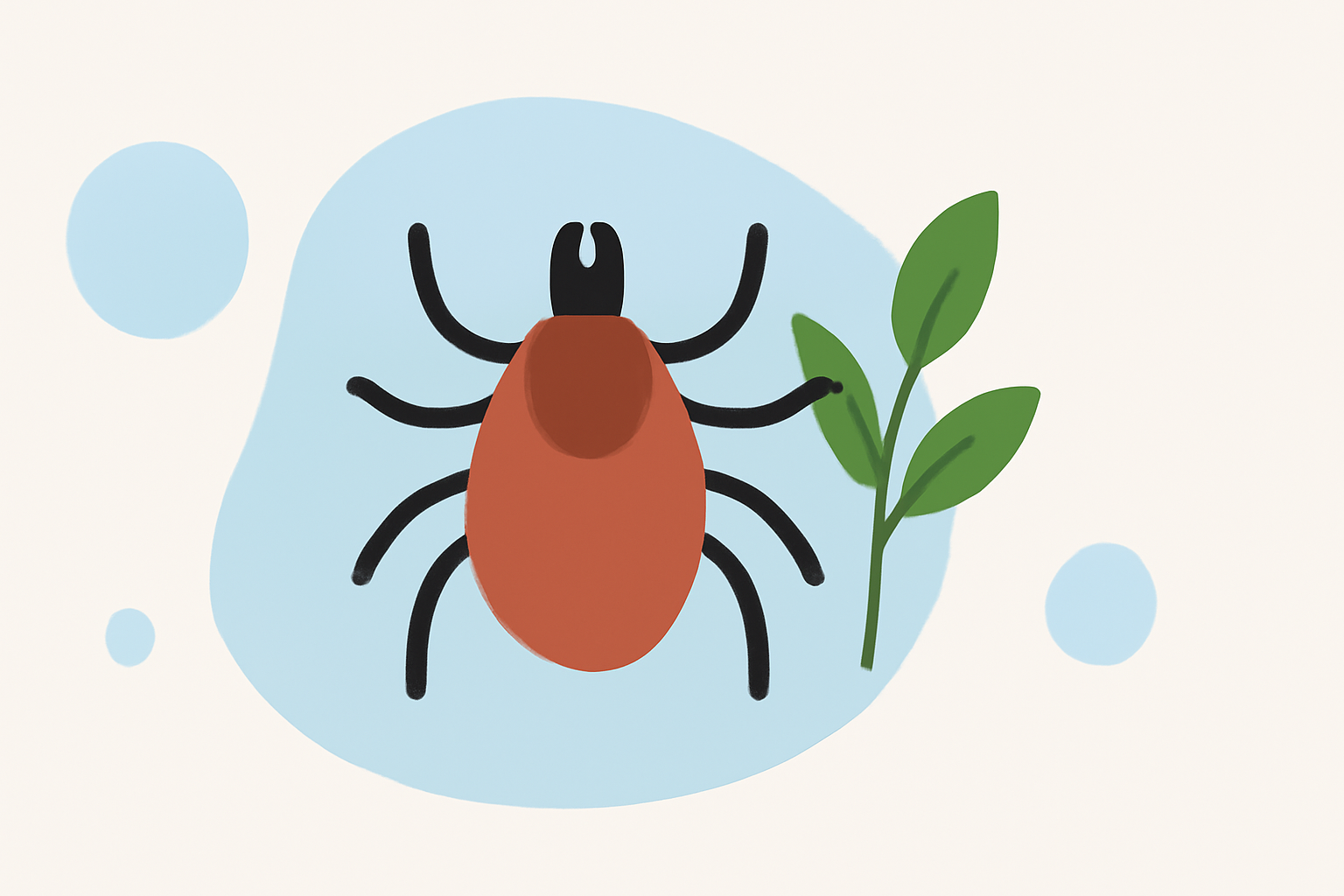
Ticks are small, blood-sucking arachnids that can transmit various diseases to humans and animals. Understanding tick season is crucial for anyone who enjoys outdoor activities, as it helps in taking appropriate precautions to minimize the risk of tick bites and associated illnesses.
What Is Tick Season?
Tick season refers to the period when ticks are most active and pose the highest risk of transmitting diseases. In the United States, this period varies by region but generally spans from early spring through late fall, with peak activity from April to September. (terminix.com)
When Does Tick Season Begin and End?
The onset and duration of tick season depend on several factors, including climate, tick species, and local environmental conditions. Here's a general overview:
-
Northeast and Midwest: Tick activity typically starts in April and continues through October, with peak activity from May to August. (biologyinsights.com)
-
Southeast: Ticks can be active year-round, but their peak season is from February to November. (when-is-tick-season.com)
-
West Coast: Tick season usually runs from March to June, with peak activity during this period. (when-is-tick-season.com)
Why Are Ticks Active During These Months?
Ticks thrive in warm and humid conditions, which are prevalent during spring and summer months. These conditions are ideal for their survival and reproduction. As temperatures rise and humidity increases, ticks become more active, seeking hosts for feeding and mating. (terminix.com)
Do Ticks Have an Off-Season?
While tick activity is most intense during warmer months, ticks do not have a true off-season. In milder climates, they can remain active year-round, especially if temperatures stay above freezing. Some species, like the blacklegged (deer) tick, can remain active in winter when temperatures stay above freezing. (terminix.com)
How Do Ticks Behave During Tick Season?
During tick season, ticks exhibit specific behaviors:
-
Questing: Ticks climb to the tips of grasses or shrubs and extend their front legs to latch onto passing hosts. (scienceinsights.org)
-
Feeding: After attaching to a host, ticks feed on blood, which is essential for their growth and reproduction.
-
Mating: Mating occurs on the host or in the environment, leading to the next generation of ticks.
Which Tick Species Are Most Common?
Several tick species are prevalent across the United States:
-
American Dog Tick: Common in the Midwest and Eastern U.S., active primarily in April, May, and June. (scienceinsights.org)
-
Blacklegged (Deer) Tick: Found in the Northeast, Midwest, and parts of the South, active from April through November. (cdc.gov)
-
Lone Star Tick: Common in the Southeast and parts of the Midwest, active from March through November. (cdc.gov)
How to Protect Yourself During Tick Season
To minimize the risk of tick bites and potential diseases:
-
Use Tick Repellents: Apply EPA-approved insect repellents on exposed skin and clothing.
-
Wear Protective Clothing: Dress in long-sleeved shirts, long pants, and tuck pants into socks to reduce skin exposure.
-
Stay on Trails: Stick to the center of trails to avoid brushing against vegetation where ticks reside.
-
Perform Tick Checks: After outdoor activities, thoroughly check your body and pets for ticks.
-
Shower Promptly: Showering within two hours of being outdoors can help remove unattached ticks. (consumerreports.org)
What to Do If You Find a Tick
If you discover a tick attached to your skin:
-
Remove It Promptly: Use fine-tipped tweezers to grasp the tick as close to the skin's surface as possible.
-
Pull Upward with Steady Pressure: Avoid twisting or jerking motions to prevent the mouth-parts from breaking off.
-
Clean the Bite Area: Wash the area with rubbing alcohol, an iodine scrub, or soap and water.
-
Monitor for Symptoms: Keep an eye out for signs like fever, rash, or fatigue in the weeks following the bite.
Conclusion
Understanding tick season and their behaviors is essential for anyone spending time outdoors. By staying informed and taking preventive measures, you can enjoy your activities while minimizing the risk of tick-borne illnesses.
Highlights:
- Tick season is bad this year. What to know and how to stay safe | KCUR - Kansas City news and NPR, Published on Monday, May 25
- Why tick season is lasting longer and how to protect yourself | Cultivating Health | UC Davis Health, Published on Thursday, May 07
- Is This Year Worse for Ticks? How Climate and Habitat Shift Risk - TiCK MiTT, Published on Sunday, November 16