
Understanding Tick Season: A Comprehensive Guide
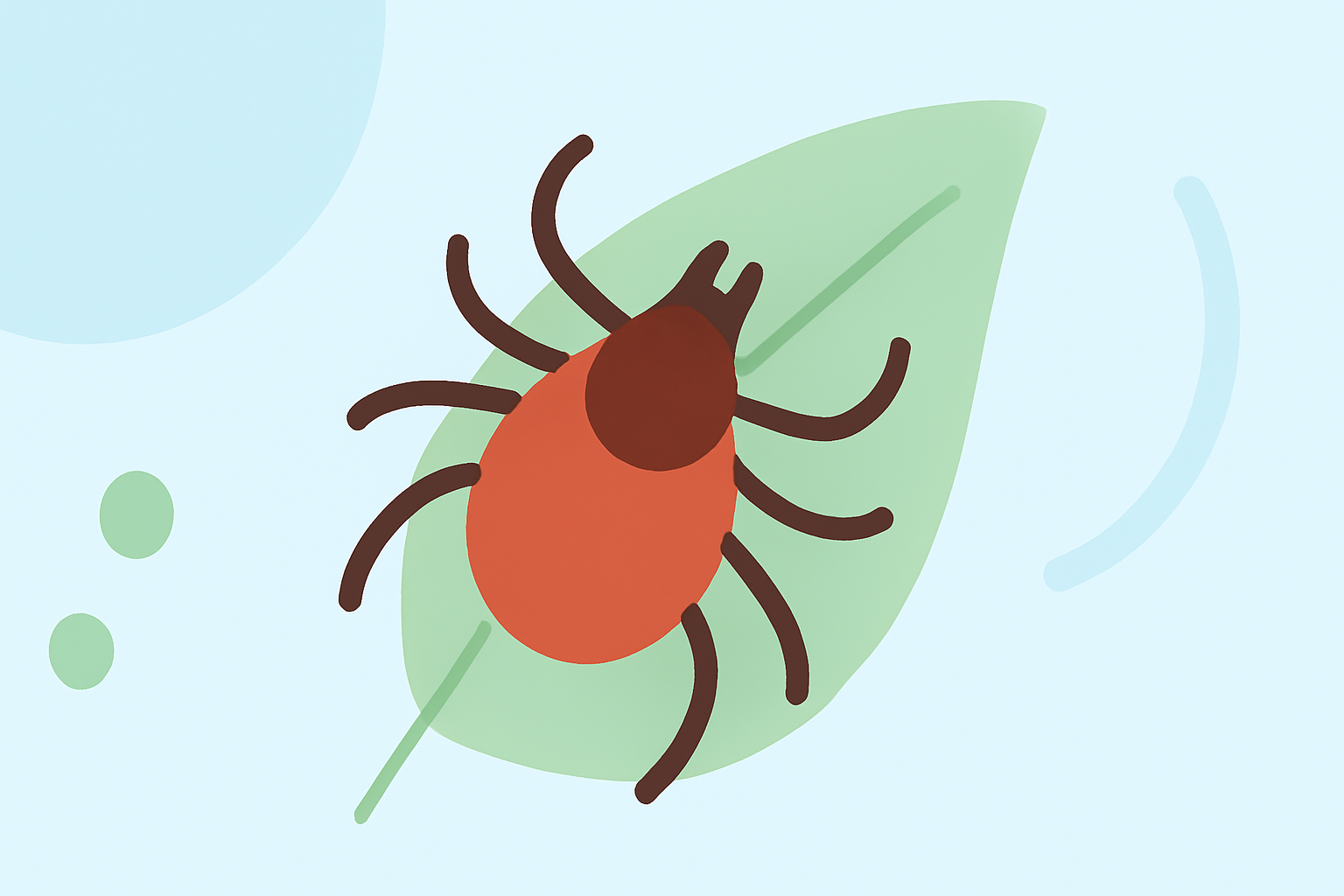
Ticks are small, blood-sucking arachnids that can transmit various diseases to humans and animals. Understanding tick season, the risks associated with tick-borne diseases, and effective prevention strategies is essential for safeguarding your health and that of your pets.
What Is Tick Season?
Tick season refers to the period when ticks are most active and pose a higher risk of transmitting diseases. In the United States, ticks are active year-round, but their activity peaks during warmer months, typically from April to September. During this time, ticks are more likely to encounter hosts, increasing the chances of disease transmission.
Where Do Ticks Live?
Ticks thrive in grassy, brushy, or wooded areas. They often reside in leaf litter, tall grasses, and shrubs, waiting for a host to pass by. Ticks cannot fly or jump; instead, they wait in a position known as "questing," where they extend their front legs to latch onto a passing host. This behavior makes areas like hiking trails, gardens, and backyards susceptible to tick encounters. (cdc.gov)
Common Tick-Borne Diseases
Ticks can transmit several diseases, including:
-
Lyme Disease: Caused by the bacterium Borrelia burgdorferi, Lyme disease is the most common tick-borne illness in the U.S. Symptoms include fever, fatigue, and a characteristic bullseye-shaped rash. (cdc.gov)
-
Babesiosis: This disease is caused by a parasite (Babesia microti) transmitted by blacklegged ticks. It can lead to symptoms like fever, chills, and fatigue. (cdc.gov)
-
Anaplasmosis: Caused by the bacterium Anaplasma phagocytophilum, anaplasmosis can result in fever, headache, and muscle aches. (cdc.gov)
Preventing Tick Bites
Reducing exposure to ticks is the best defense against tick-borne diseases. Here are some strategies to prevent tick bites:
-
Avoid Tick Habitats: Steer clear of areas with high grass and leaf litter. Walk in the center of trails to minimize contact with ticks. (cdc.gov)
-
Use Tick Repellents: Apply insect repellents containing 20-30% DEET to exposed skin and clothing. For added protection, treat clothing and gear with products containing 0.5% permethrin. (cdc.gov)
-
Wear Protective Clothing: Wear long-sleeved shirts, long pants, and tuck pants into socks to reduce skin exposure. Light-colored clothing can help spot ticks more easily.
-
Check for Ticks: After spending time outdoors, thoroughly check yourself, your children, and pets for ticks. Remove any ticks promptly to reduce the risk of disease transmission. (cdc.gov)
What to Do After a Tick Bite
If you find a tick attached to your skin, remove it as soon as possible:
-
Use Fine-Tipped Tweezers: Grasp the tick as close to the skin's surface as possible.
-
Pull Upward with Steady, Even Pressure: Avoid twisting or jerking motions.
-
Clean the Area: After removal, clean the bite area and your hands with rubbing alcohol, an iodine scrub, or soap and water.
-
Monitor for Symptoms: Keep an eye out for signs of tick-borne diseases, such as fever, rash, or fatigue, and consult a healthcare provider if symptoms develop. (cdc.gov)
Protecting Your Pets
Pets can also be affected by tick-borne diseases and can bring ticks into your home. To protect your pets:
-
Use Veterinarian-Approved Tick Preventatives: Consult your veterinarian for appropriate tick prevention products.
-
Check Pets Regularly: After outdoor activities, examine your pets for ticks and remove any found.
-
Keep Your Yard Tidy: Maintain your yard by mowing the lawn regularly and removing leaf litter to reduce tick habitats. (cdc.gov)
Conclusion
Understanding tick season and implementing preventive measures are crucial steps in protecting yourself and your pets from tick-borne diseases. By staying informed and vigilant, you can enjoy outdoor activities with greater peace of mind.
Highlights:
- Preventing Lyme Disease | Lyme Disease | CDC, Published on Wednesday, April 29
- How Babesiosis Spreads | Babesiosis | CDC, Published on Sunday, February 11
- Transmission and Epidemiology | Anaplasmosis | CDC, Published on Thursday, July 18