
Understanding Tick Season: A Comprehensive Guide
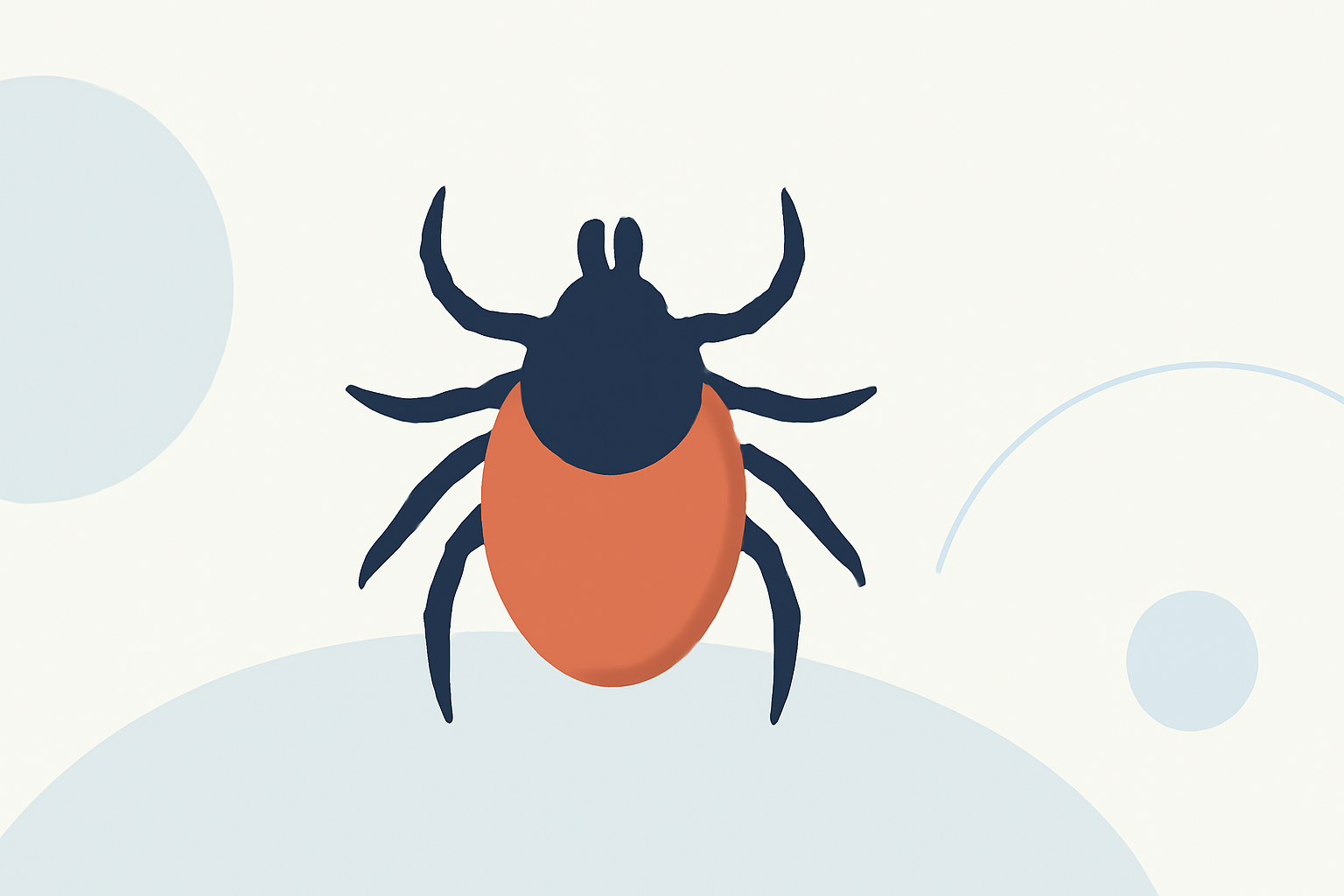
Ticks are more than just a nuisance; they are vectors for various diseases that can affect both humans and animals. Understanding tick season is crucial for effective prevention and protection. This guide provides insights into tick activity patterns, factors influencing their prevalence, and strategies to minimize the risk of tick-borne illnesses.
When Does Tick Season Begin and End?
Tick activity is primarily influenced by temperature and humidity. In many parts of the United States, ticks become active when ground temperatures consistently rise above 45°F (7°C). This typically occurs in early spring, around March or April, and continues through late fall, often until October or November. The peak of tick season usually spans from April to September, coinciding with warmer and more humid conditions that ticks favor. (terminix.com)
Regional Variations in Tick Activity
Tick seasonality can vary significantly across the U.S. due to climatic differences:
-
Northeast and Midwest: Ticks are most active from April through September, with peak activity in late spring and early summer. (terminix.com)
-
Southern Regions: In warmer climates, tick activity can begin as early as February and extend into late fall, sometimes persisting year-round. (terminix.com)
-
Western U.S.: Areas like California experience peak tick activity during spring and early summer, tapering off as temperatures rise and humidity drops. (terminix.com)
Factors Influencing Tick Populations
Several factors contribute to the prevalence and distribution of ticks:
-
Climate Change: Warmer temperatures and increased humidity create favorable conditions for ticks, leading to larger populations and expanded geographic ranges. (hhs.gov)
-
Land Use Changes: Urbanization, reforestation, and forest fragmentation can alter tick habitats, affecting their distribution and the risk of human exposure. (hhs.gov)
-
Wildlife Density: The presence of host animals, such as deer and small mammals, provides sustenance for ticks, influencing their survival and reproduction rates. (usgs.gov)
Health Risks Associated with Tick Bites
Ticks are known to transmit various diseases, including:
-
Lyme Disease: The most common tick-borne illness in the U.S., characterized by symptoms like fever, fatigue, and a distinctive skin rash. (axios.com)
-
Rocky Mountain Spotted Fever: A serious bacterial infection causing fever, rash, and potential complications if not treated promptly. (axios.com)
-
Babesiosis and Alpha-Gal Syndrome: Other tick-borne diseases that can lead to severe health issues. (axios.com)
Preventive Measures
To reduce the risk of tick bites and associated illnesses:
-
Use Tick Repellents: Apply products containing DEET or permethrin to exposed skin and clothing. (terminix.com)
-
Wear Protective Clothing: Opt for long-sleeved shirts, long pants, and tuck pants into socks to minimize skin exposure. (terminix.com)
-
Perform Tick Checks: After outdoor activities, thoroughly check yourself, children, and pets for ticks. (terminix.com)
-
Maintain Landscapes: Keep yards well-maintained by mowing grass regularly and removing leaf litter to reduce tick habitats. (terminix.com)
Conclusion
Understanding tick season and the factors influencing tick activity is essential for effective prevention. By staying informed and implementing preventive measures, you can significantly reduce the risk of tick-borne illnesses and protect yourself and your community.
Highlights:
- Tick bite ER visits reach highest rate in nearly a decade, Published on Tuesday, May 12
- Ticks set ER records as Lyme disease rises in Ohio, Published on Thursday, May 14
- Tick bites surging in Indiana, Midwest as summer starts, Published on Wednesday, May 27