
Understanding Tick Season: A Guide for Outdoor Enthusiasts in the United States
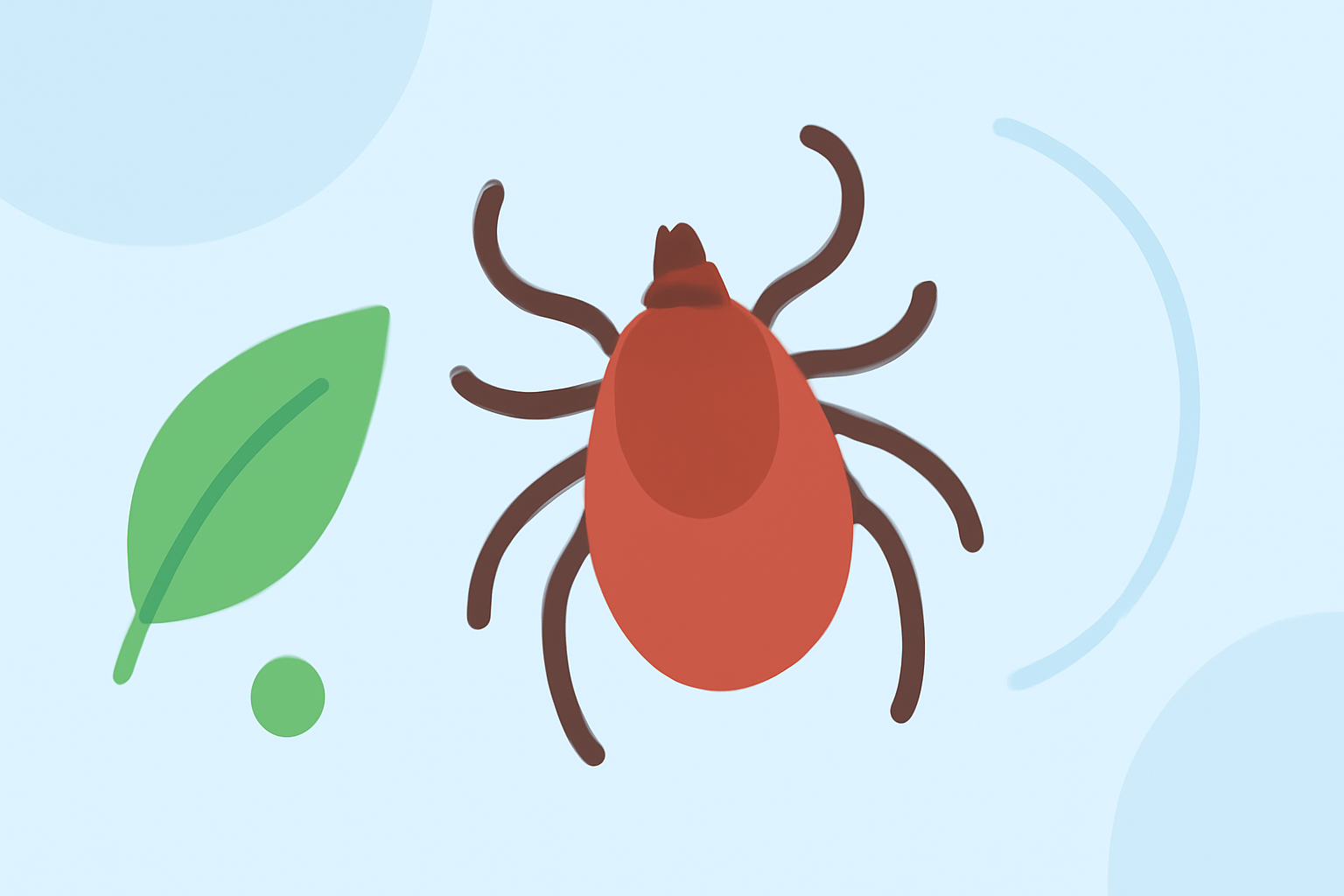
As outdoor enthusiasts, understanding tick season is crucial for ensuring safety during your adventures. Ticks are small, blood-sucking arachnids that can transmit various diseases, making it essential to be informed about their activity patterns and how to protect yourself.
When Does Tick Season Begin and End?
Tick activity is primarily influenced by temperature and humidity. In most parts of the United States, ticks become active when temperatures consistently stay above 4°C (39°F). This means tick season typically starts in March or April and can last through October or November, depending on regional climate conditions. In warmer southern regions, tick activity may persist year-round. (biologyinsights.com)
What Factors Influence Tick Activity?
Several factors affect tick populations and their activity levels:
-
Climate Change: Warmer and more humid conditions can expand tick habitats, allowing them to thrive in new areas. (theweathernetwork.com)
-
Wildlife Populations: An increase in hosts like deer and mice provides more opportunities for ticks to feed and reproduce. (latimes.com)
-
Human Activity: Outdoor activities in tick-prone areas can increase the risk of exposure.
What Are the Risks Associated with Ticks?
Ticks are vectors for several diseases, including:
-
Lyme Disease: The most common tick-borne illness in the U.S., characterized by symptoms like fever, fatigue, and a distinctive skin rash. (latimes.com)
-
Rocky Mountain Spotted Fever: A serious bacterial infection causing fever, rash, and abdominal pain.
-
Alpha-Gal Syndrome: An allergy to red meat and other products made from mammals, linked to tick bites. (latimes.com)
How Can You Protect Yourself from Tick Bites?
To minimize the risk of tick bites during your outdoor activities:
-
Use Tick Repellents: Apply products containing 20-30% DEET to exposed skin and clothing.
-
Wear Protective Clothing: Opt for long-sleeved shirts and pants, and tuck pants into socks to reduce skin exposure.
-
Stay on Trails: Stick to the center of trails and avoid brushing against vegetation where ticks may reside.
-
Perform Tick Checks: After outdoor activities, thoroughly check your body and clothing for ticks.
-
Shower Promptly: Showering within two hours of being outdoors can help remove unattached ticks.
What Are the Current Trends in Tick Activity?
Recent data indicates an early and intense tick season in 2026. Emergency room visits for tick bites have reached the highest rate for this time of year since at least 2017, with about 114 out of every 100,000 emergency department visits in the fourth week of April attributed to tick bites. (theweathernetwork.com) Experts attribute this surge to factors like climate change and increased wildlife populations. (latimes.com)
How Does Clime Assist Outdoor Enthusiasts?
Clime offers a comprehensive suite of tools designed to enhance your outdoor experiences. With Clime, you can access real-time weather updates, plan activities based on optimal conditions, and receive alerts about potential hazards, including tick activity. By integrating Clime into your outdoor planning, you can make informed decisions to ensure safety and enjoyment.
Understanding tick season and taking proactive measures are essential for outdoor enthusiasts. By staying informed and utilizing resources like Clime, you can enjoy your adventures while minimizing health risks associated with ticks.
Highlights:
- Tick bite ER visits reach highest rate in nearly a decade, Published on Tuesday, May 12