
Understanding Tick Season: A Comprehensive Guide for the United States
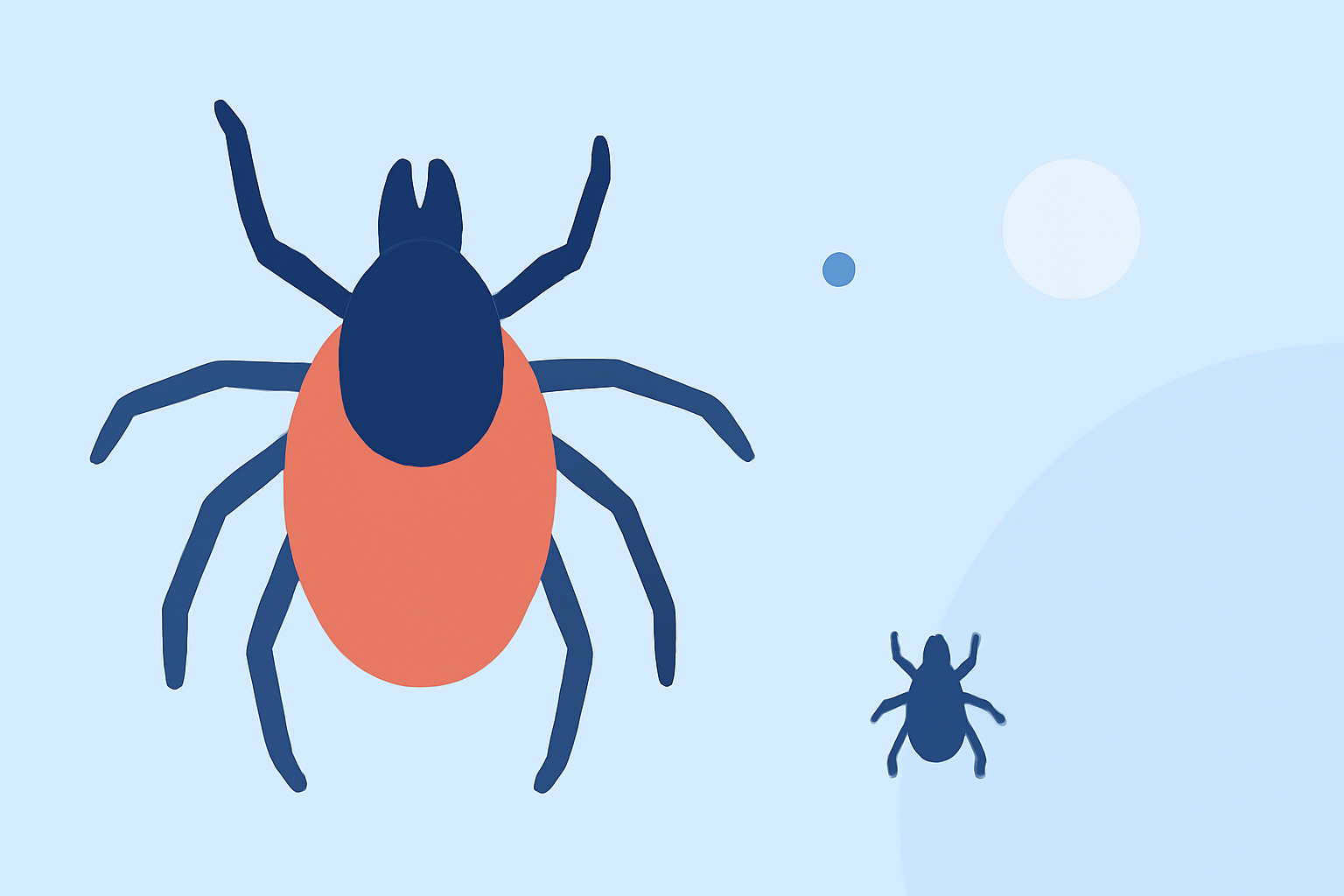
Ticks are small, blood-sucking arachnids that can transmit various diseases to humans and animals. Understanding tick season is crucial for effective prevention and protection. This guide provides an overview of tick seasonality across the United States, factors influencing tick activity, and strategies to minimize the risk of tick-borne illnesses.
What Is Tick Season?
Tick season refers to the period when ticks are most active and pose the highest risk of transmitting diseases. In the United States, tick activity is primarily influenced by temperature and humidity levels. Ticks become active when ground temperatures consistently stay above approximately 45°F (7°C). This typically occurs in early spring, with peak activity from April through September. However, the exact timing can vary based on regional climate conditions and tick species.
When Does Tick Season Start and End?
The onset and duration of tick season differ across the U.S. due to varying climates and tick species:
-
Northeast and Upper Midwest: Tick activity begins in April and remains high through summer. (biologyinsights.com)
-
Southeast and Gulf Coast: Ticks can be active year-round, with peak activity from February to November. (when-is-tick-season.com)
-
Southwest and Mountain States: Tick season varies by elevation, with activity from April through August. (when-is-tick-season.com)
-
West Coast: Tick activity is primarily from March to June, influenced by the Mediterranean climate pattern. (when-is-tick-season.com)
Factors Influencing Tick Activity
Several factors affect tick activity and the risk of tick-borne diseases:
-
Temperature: Ticks are most active when temperatures are above freezing, with optimal activity between 50°F and 85°F (10°C to 29°C). (terminix.com)
-
Humidity: Ticks require high humidity levels to survive. They thrive in moist environments, such as wooded areas with dense vegetation. (scienceinsights.org)
-
Host Availability: The presence of hosts like deer, rodents, and birds provides ticks with opportunities to feed and reproduce.
-
Climate Change: Warmer temperatures and milder winters have extended tick activity periods, leading to longer seasons and increased risk of tick-borne diseases. (health.ucdavis.edu)
Common Tick Species and Their Activity Periods
Different tick species have varying activity periods:
-
Deer Ticks (Black-legged Ticks): Active from April through October, with nymphs being most active in late spring and early summer. (epa.gov)
-
American Dog Ticks: Active from April through June, commonly found in grassy areas. (scienceinsights.org)
-
Lone Star Ticks: Active from March through September, prevalent in the southeastern U.S. (extension.missouri.edu)
Risks Associated with Tick Bites
Tick bites can transmit various diseases, including:
-
Lyme Disease: Caused by the bacterium Borrelia burgdorferi, leading to symptoms like fever, fatigue, and a characteristic bullseye rash.
-
Rocky Mountain Spotted Fever: A bacterial infection causing fever, rash, and potential organ damage.
-
Anaplasmosis: A bacterial infection leading to fever, headache, and muscle aches.
-
Babesiosis: A parasitic infection causing flu-like symptoms and, in severe cases, organ failure.
Preventive Measures
To reduce the risk of tick bites and associated diseases:
-
Use Tick Repellents: Apply EPA-registered insect repellents containing DEET, picaridin, or oil of lemon eucalyptus to exposed skin and clothing.
-
Wear Protective Clothing: Dress in long-sleeved shirts, long pants, and tuck pants into socks to minimize skin exposure.
-
Perform Tick Checks: After outdoor activities, thoroughly check your body, pets, and gear for ticks.
-
Create Tick-Safe Zones: Maintain clean yards by removing leaf litter, tall grasses, and brush to reduce tick habitats.
-
Use Professional Tick Treatments: Consider professional tick control services for your property.
Tick Removal and Treatment
If you find a tick attached to your skin:
-
Use Fine-Tipped Tweezers: Grasp the tick as close to the skin's surface as possible.
-
Pull Upward with Steady, Even Pressure: Avoid twisting or jerking to prevent mouthparts from breaking off.
-
Clean the Bite Area: Wash with rubbing alcohol, an iodine scrub, or soap and water.
-
Monitor for Symptoms: If you develop a rash or fever within several weeks of removing a tick, seek medical attention.
Conclusion
Understanding tick season and implementing preventive measures are essential steps in protecting yourself and your community from tick-borne diseases. Stay informed about tick activity in your region and take appropriate precautions during peak seasons.
Highlights:
- Why tick season is lasting longer and how to protect yourself | Cultivating Health | UC Davis Health, Published on Thursday, May 07
- Ticks have no off-season | MU Extension, Published on Tuesday, April 14
- Why Tick Season Never Seems to End Anymore - Survival World, Published on Sunday, October 12