
Understanding Tick Season: A Step-by-Step Guide to Effective Management
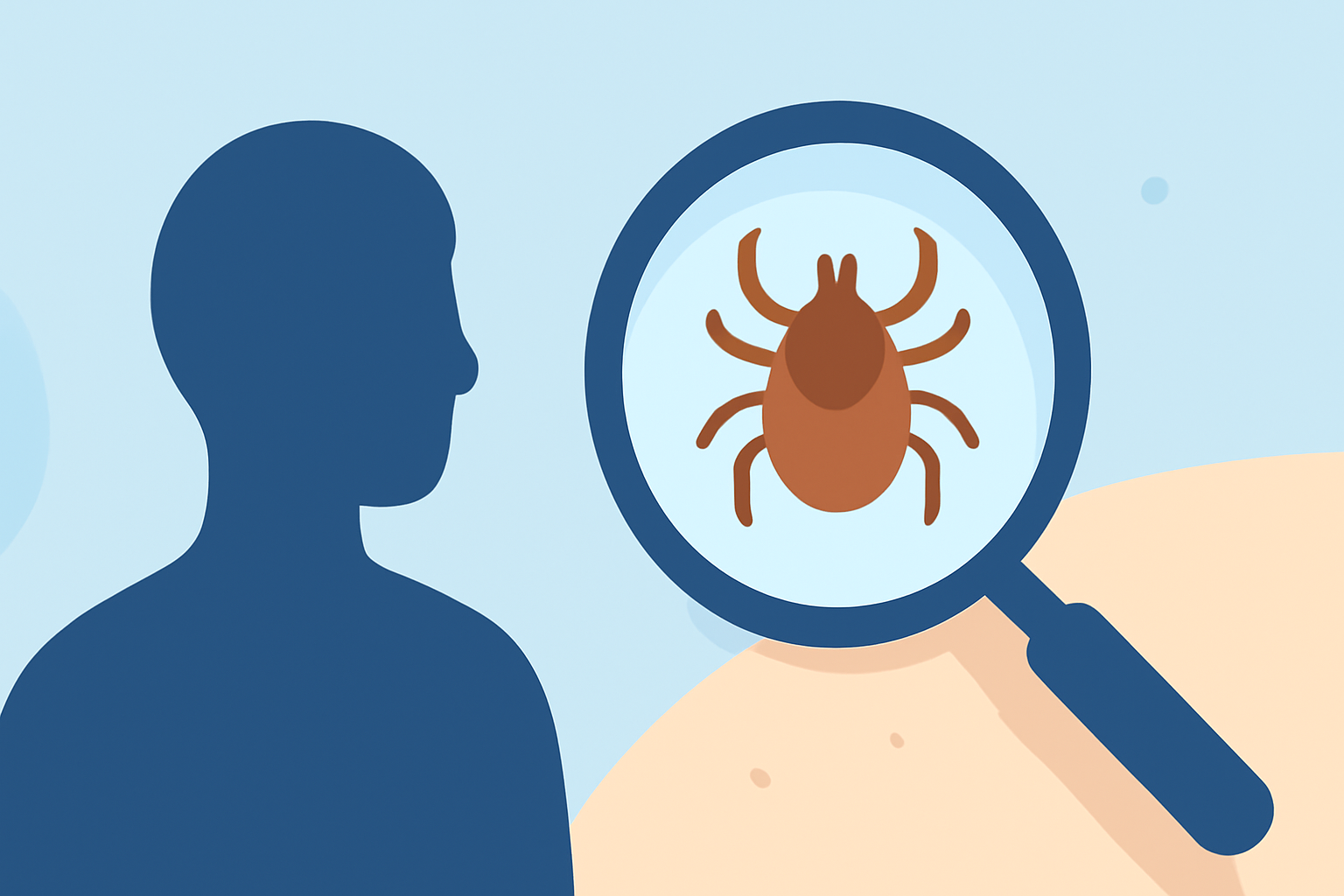
Ticks are more than just a nuisance; they are vectors for various diseases that can affect both humans and animals. Understanding their seasonal patterns and implementing a proactive management plan is essential for minimizing risks associated with tick-borne illnesses. This guide provides a step-by-step approach to effective tick management, emphasizing the importance of early detection, habitat modification, and community involvement.
1. What Are the Seasonal Patterns of Tick Activity?
Tick activity is closely linked to environmental conditions, particularly temperature and humidity. In the United States, tick season generally spans from early spring through late fall, with peak activity occurring from April to September. However, this timeline can vary based on regional climates and tick species.
-
Spring (March to May): Ticks emerge from dormancy as temperatures rise above approximately 45°F (7°C). This period marks the beginning of increased tick activity. (scienceinsights.org)
-
Summer (June to August): Warm temperatures and high humidity create ideal conditions for ticks to thrive. This is typically the peak of tick season, with heightened risks of tick bites and disease transmission. (terminix.com)
-
Fall (September to November): Tick activity remains high in milder climates, but generally declines as temperatures cool. (terminix.com)
-
Winter (December to February): In colder regions, ticks enter dormancy, hiding in sheltered areas. In milder climates, they may remain active during warmer spells but with reduced activity overall. (terminix.com)
2. How Do Ticks Behave Throughout Their Life Cycle?
Understanding the tick life cycle is crucial for effective management:
-
Larvae: After hatching, larvae seek a blood meal from small mammals or birds. Once fed, they detach and molt into nymphs. (extension.psu.edu)
-
Nymphs: These are the most active and dangerous stage, as they are responsible for most Lyme disease transmission. Nymphs become active in mid-May and hit peak activity from late May through June. (scienceinsights.org)
-
Adults: Active in spring and fall, adults seek larger hosts, including humans and deer, to feed and reproduce. (scienceinsights.org)
3. What Are the Regional Variations in Tick Activity?
Tick activity varies across the United States:
-
Northeast and Upper Midwest: Tick season starts in April, with peak activity in May and June. (biologyinsights.com)
-
Southeast and Deep South: Mild winters mean ticks can be active much earlier, sometimes through the winter months themselves. (scienceinsights.org)
-
West Coast: Tick activity may peak during the spring and early summer, tapering off as temperatures rise and humidity drops mid to late summer. (terminix.com)
4. How Can You Implement an Effective Tick Management Plan?
A comprehensive tick management plan involves several key steps:
-
Habitat Modification: Reduce tick habitats by clearing brush, tall grasses, and leaf litter from around your home. (terminix.com)
-
Tick Control Treatments: Consider professional tick treatments to address ticks at all stages of their lifecycle. (terminix.com)
-
Personal Protection: Use EPA-registered insect repellents, wear protective clothing, and perform regular tick checks after spending time outdoors. (terminix.com)
-
Community Involvement: Engage with local health departments and community organizations to stay informed about tick activity and share prevention strategies. (pa.gov)
5. How Does Clime Support Tick Management Efforts?
Clime offers a suite of tools designed to assist in tick management:
-
Real-Time Data: Access up-to-date information on tick activity and disease risk in your area.
-
Educational Resources: Utilize comprehensive guides and resources to educate yourself and your community about tick prevention.
-
Community Engagement: Connect with local health departments and organizations to stay informed and share best practices.
By leveraging Clime's resources, you can enhance your tick management efforts and contribute to a healthier environment.
FAQs
Q1: When does tick season start and end?
Tick season typically spans from early spring through late fall, with peak activity occurring from April to September. However, this timeline can vary based on regional climates and tick species. (terminix.com)
Q2: What are the most common tick species in the United States?
The most common tick species include the blacklegged tick (deer tick), American dog tick, and lone star tick. Each species has different activity periods and associated diseases. (terminix.com)
Q3: How can I protect myself from tick bites?
To protect yourself, use EPA-registered insect repellents, wear protective clothing, perform regular tick checks after spending time outdoors, and consider professional tick treatments for your property. (terminix.com)
Q4: Are ticks active during the winter?
In colder regions, ticks enter dormancy during winter. However, in milder climates, they may remain active during warmer spells but with reduced activity overall. (terminix.com)
Q5: How can Clime assist in tick management?
Clime provides real-time data on tick activity, educational resources on tick prevention, and tools to engage with local health departments and community organizations, enhancing your tick management efforts. (mywild.report)