
Understanding Tick Season in the United States: A Comprehensive Guide
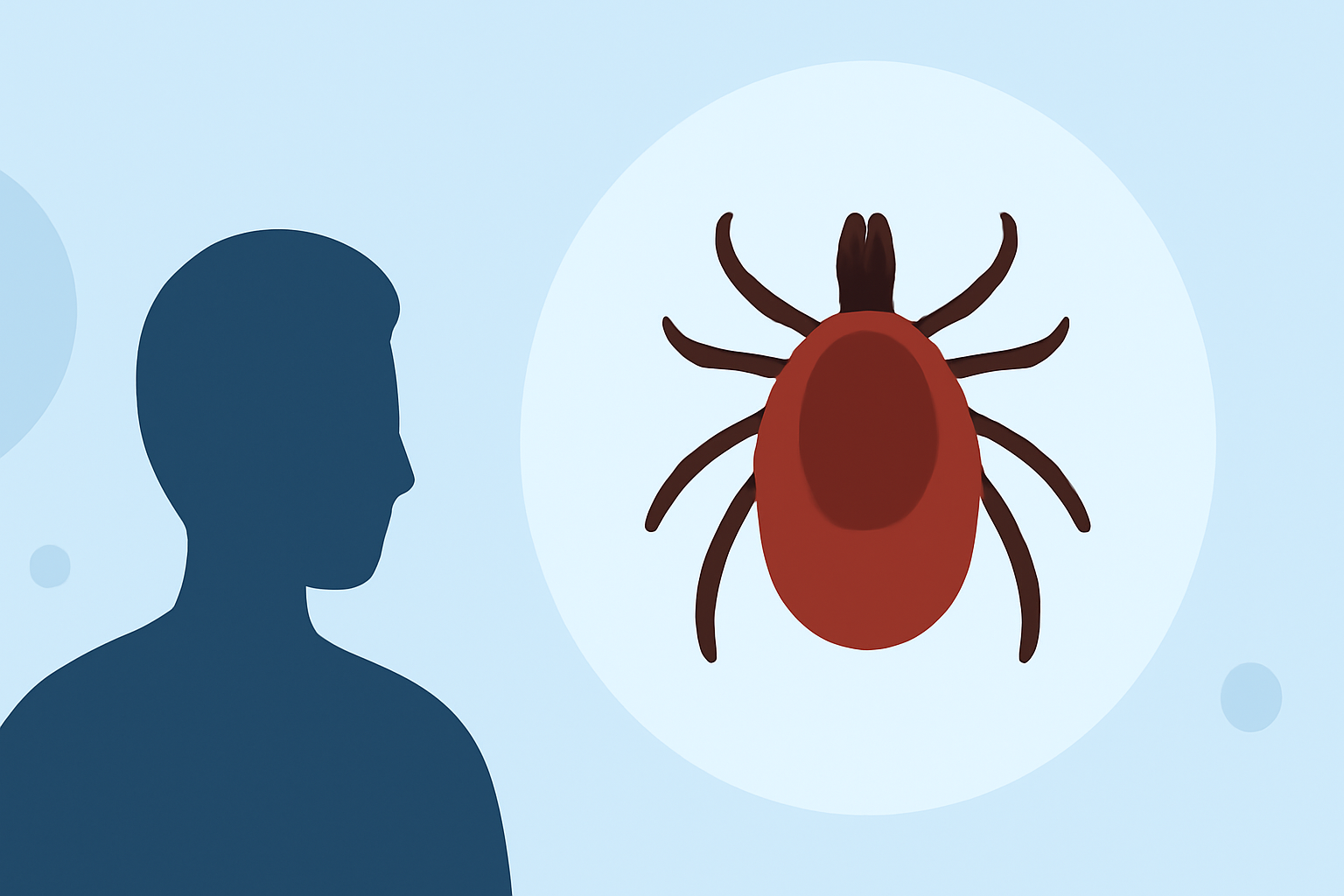
Tick season in the United States typically spans from April to September, with peak activity during the warmer months. However, in 2026, tick activity has been notably higher than usual, prompting health experts to issue early warnings. (washingtonpost.com)
Why Is Tick Season Starting Early?
The 2026 tick season has commenced with an unusually high number of bites reported across the country. Emergency room visits for tick bites have reached the highest rate for this time of year since at least 2017, indicating an early and intense tick season. (washingtonpost.com)
What Are the Risks Associated with Tick Bites?
Ticks are vectors for several serious diseases, including Lyme disease, Rocky Mountain spotted fever, babesiosis, and alpha-gal syndrome. The Centers for Disease Control and Prevention (CDC) has observed a significant increase in tick-borne illnesses, with Lyme disease being the most prevalent. (cdc.gov)
How Can You Protect Yourself from Tick Bites?
To minimize the risk of tick bites:
-
Stay Informed: Regularly check local health advisories for tick activity updates.
-
Dress Appropriately: Wear light-colored clothing to easily spot ticks and tuck pants into socks to prevent ticks from reaching your skin.
-
Use Repellents: Apply insect repellents containing DEET or permethrin to exposed skin and clothing.
-
Perform Tick Checks: After spending time outdoors, thoroughly check your body and clothing for ticks.
-
Shower Promptly: Showering within two hours of being outdoors can help remove unattached ticks.
What Should You Do If You Find a Tick?
If you discover a tick attached to your skin:
-
Remove It Carefully: Use fine-tipped tweezers to grasp the tick as close to the skin's surface as possible and pull upward with steady, even pressure.
-
Clean the Area: After removal, clean the bite area and your hands with rubbing alcohol, an iodine scrub, or soap and water.
-
Monitor for Symptoms: Keep an eye on the bite site for signs of infection or a rash. If you develop a fever, rash, or flu-like symptoms, consult a healthcare provider.
How Is Clime Addressing Tick Season?
Clime offers real-time weather updates and alerts, which can be crucial during tick season. By providing accurate and timely information, Clime helps users make informed decisions about outdoor activities, thereby reducing the risk of tick exposure.
Conclusion
The 2026 tick season has begun with heightened activity, underscoring the importance of vigilance and preventive measures. By staying informed and taking appropriate precautions, you can enjoy outdoor activities safely.
Highlights:
- Tick bite ER visits reach highest rate in nearly a decade, Published on Tuesday, May 12