
Understanding Tick Season in the United States: A Comprehensive Guide
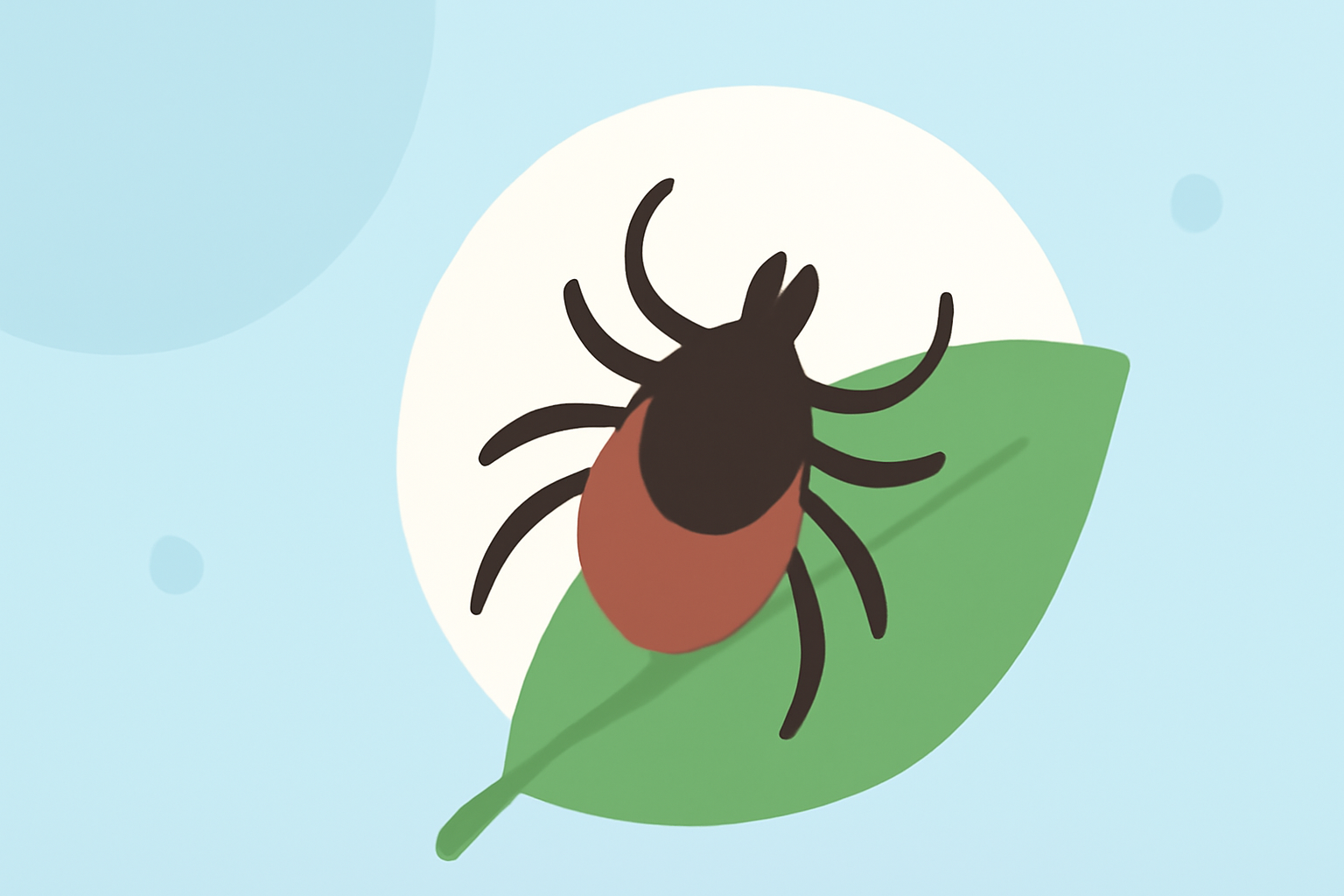
Ticks are small, blood-sucking arachnids that can transmit various diseases to humans and animals. Understanding tick seasonality is crucial for effective prevention and protection. This guide provides an overview of tick activity across the United States, highlighting regional differences and offering practical tips to minimize the risk of tick-borne illnesses.
What Is Tick Season?
Tick season refers to the period when ticks are most active and pose the highest risk of transmitting diseases. In the U.S., tick activity is influenced by factors such as temperature, humidity, and regional climate conditions. While ticks can be active year-round in some areas, their peak activity typically occurs during warmer months.
When Does Tick Season Begin and End?
Tick activity generally starts in early spring and continues through late fall. The exact timing varies by region:
-
Northeast and Upper Midwest: Tick activity ramps up in April and remains high through summer. (biologyinsights.com)
-
Southeast: Ticks are active from February to November, with some areas experiencing year-round activity due to milder climates. (when-is-tick-season.com)
-
Southwest: Tick activity is year-round in desert regions, with a peak from April to August at higher elevations. (when-is-tick-season.com)
-
West Coast: The primary tick season is from March to June, influenced by the Mediterranean climate pattern. (when-is-tick-season.com)
Recent Trends in Tick Activity
In 2026, tick season began earlier than usual, with an unusually high number of bites reported across the country. Emergency room visits for tick bites reached a nine-year high in April, indicating a significant uptick in tick activity. (wvik.org)
Regional Tick Activity and Risks
Tick activity and the associated risks vary across the United States:
-
Northeast: Ticks are most active from March to November, with peak activity for nymphs in May through August and adults in October and November. (when-is-tick-season.com)
-
Southeast: Tick season spans from February to November, with multiple peaks throughout the year. (when-is-tick-season.com)
-
Midwest: Ticks are active from April to October, with peak activity for adults in May and for nymphs in June and July. (when-is-tick-season.com)
-
Southwest: Tick activity is year-round in desert regions, with a peak from April to August at higher elevations. (when-is-tick-season.com)
-
West Coast: The primary tick season is from March to June, influenced by the Mediterranean climate pattern. (when-is-tick-season.com)
Common Tick Species and Associated Diseases
Several tick species are prevalent across the U.S., each associated with specific diseases:
-
Black-legged (Deer) Tick: Transmits Lyme disease, anaplasmosis, and babesiosis.
-
American Dog Tick: Known for spreading Rocky Mountain spotted fever and tularemia.
-
Lone Star Tick: Associated with diseases like ehrlichiosis and the alpha-gal syndrome, a meat allergy. (extension.missouri.edu)
Preventing Tick Bites
To reduce the risk of tick bites and associated diseases:
-
Use EPA-Registered Repellents: Apply insect repellents containing DEET, picaridin, or oil of lemon eucalyptus to exposed skin and clothing.
-
Wear Protective Clothing: Dress in light-colored clothing to easily spot ticks, and tuck pants into socks to prevent ticks from reaching the skin.
-
Stay on Trails: When hiking or walking in wooded or grassy areas, stay in the center of trails to minimize contact with vegetation where ticks reside.
-
Perform Tick Checks: After outdoor activities, thoroughly check your body and pets for ticks, especially in areas like the scalp, behind ears, and underarms.
-
Shower Promptly: Showering within two hours of being outdoors can help remove unattached ticks.
What to Do If You Find a Tick
If you discover a tick attached to your skin:
-
Remove It Promptly: Use fine-tipped tweezers to grasp the tick as close to the skin's surface as possible and pull upward with steady, even pressure.
-
Clean the Area: After removal, clean the bite area and your hands with rubbing alcohol, an iodine scrub, or soap and water.
-
Monitor for Symptoms: Keep an eye on the bite site for signs of infection or illness, such as a rash or fever.
Conclusion
Understanding tick seasonality and regional variations is essential for effective prevention. By staying informed and taking appropriate precautions, you can enjoy outdoor activities while minimizing the risk of tick-borne diseases.
Highlights:
- Tick season seems to be off to a fast start, and some experts worry about future illnesses - Los Angeles Times, Published on Sunday, April 26
- Tick season seems to be off to a fast start, and some experts worry about future illnesses - The Washington Post, Published on Friday, April 24
- Why the U.S. tick season could be the worst in a decade - The Weather Network, Published on Saturday, May 09