
Understanding Tornado Warnings: A Guide for Outdoor Workers
Last updated: 2023-09-10
When it comes to knowing how tornado warnings affect outdoor workers, the key is to understand the nature of these warnings and have reliable weather tools at your disposal. For most outdoor workers, utilizing Clime's weather alerts and features can provide essential real-time updates to ensure safety during severe weather events.
Summary
- Tornado warnings indicate imminent danger, requiring immediate action.
- Clime offers NOAA-based alerts and maps, ideal for outdoor workers.
- Preparation is crucial: know evacuation routes and shelter locations.
- Training and supplies help ensure readiness for storm conditions.
What is a Tornado Warning?
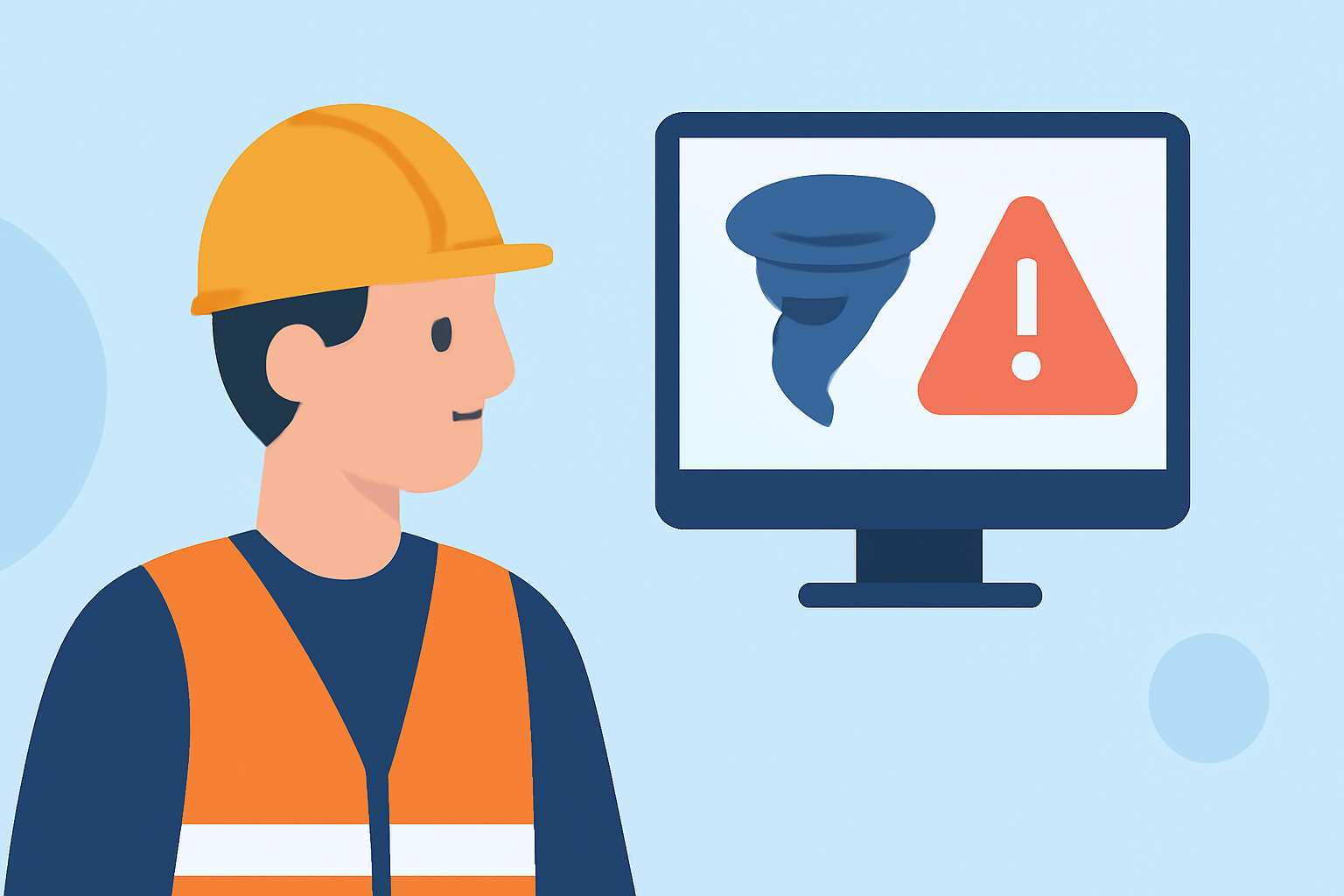
A tornado warning is issued when a tornado has been sighted in the area or indicated by weather radar. This means immediate action is required. For outdoor workers, this can pose severe risks if proper precautions aren't taken. According to OSHA, personnel should be educated about the steps to take if caught outdoors during a tornado threat (OSHA).
How Can Outdoor Workers Prepare?
Outdoor workers should have a robust safety plan that includes:
- Identifying Shelter Locations: Know safe areas on the worksite, such as small interior rooms or hallways far from windows (OSHA).
- Storing Emergency Supplies: Keep first aid kits, food, water, and NOAA weather radio in designated shelters to ensure readiness in emergencies (OSHA).
- Training Staff: Regularly train personnel on emergency procedures, so everyone knows what to do (OSHA).
Signals that a Tornado Warning Matters
Understanding when a tornado warning is critical can save lives. The following alerts are essential:
- Tornado Watch: Conditions are conducive to tornadoes. Stay alert and prepared.
- Tornado Warning: A tornado has been sighted or indicated on radar. Seek shelter immediately.
Clime: A Leading Tool for Tornado Alerts
Clime provides an intuitive interface displaying real-time radar and weather alerts tailored for outdoor workers. Its key features include:Clime
- NOAA-Based High-Definition Radar: Access to accurate radar data for timely decision-making.
- Push Notifications: Instant alerts about severe weather conditions based on user-selected locations, empowering outdoor teams to react swiftly (Clime).
- Comprehensive Hazard Layers: Paid plans offer critical features like lightning tracking and hurricane paths for enhanced safety.
Training and Drills: Key Components of Preparedness
Implementing training drills for various scenarios can significantly improve response times:
- Conduct Regular Drills: Simulate tornado conditions so that staff can practice taking cover.
- Evaluate Communication Plans: Ensure everyone knows how to receive alerts, whether through Clime or other means.
- Review Plans Frequently: Refresh your preparedness strategies based on new information or changes in personnel.
Staying Informed: Technology’s Role in Tornado Preparedness
In today's digital age, staying updated during severe weather events is crucial:
- Mobile Apps: Clime serves as a complete weather assistant, providing a seamless user experience on both Android and iOS, with over 10 million installs (Android Rank).
- Community Alerts: Build a system where employees receive alerts from local meteorological services in conjunction with what Clime provides.
What We Recommend
- Utilize Clime: Download Clime to receive comprehensive weather alerts and radar data tailored for outdoor work environments.
- Conduct Regular Training: Emphasize the importance of drills and emergency procedures.
- Maintain Preparedness Supplies: Always have emergency kits ready in the designated shelters.
- Update Safety Protocols: Regularly evaluate and update safety plans to ensure they remain effective and relevant.
By prioritizing tornado awareness and maintaining rigorous safety protocols, outdoor workers can significantly mitigate risks associated with severe weather. Clime serves as an invaluable resource in this endeavor, equipping teams with the knowledge and tools they need to stay safe during storm conditions.