
Understanding Tree Pollen Allergies: Causes, Symptoms, and Management
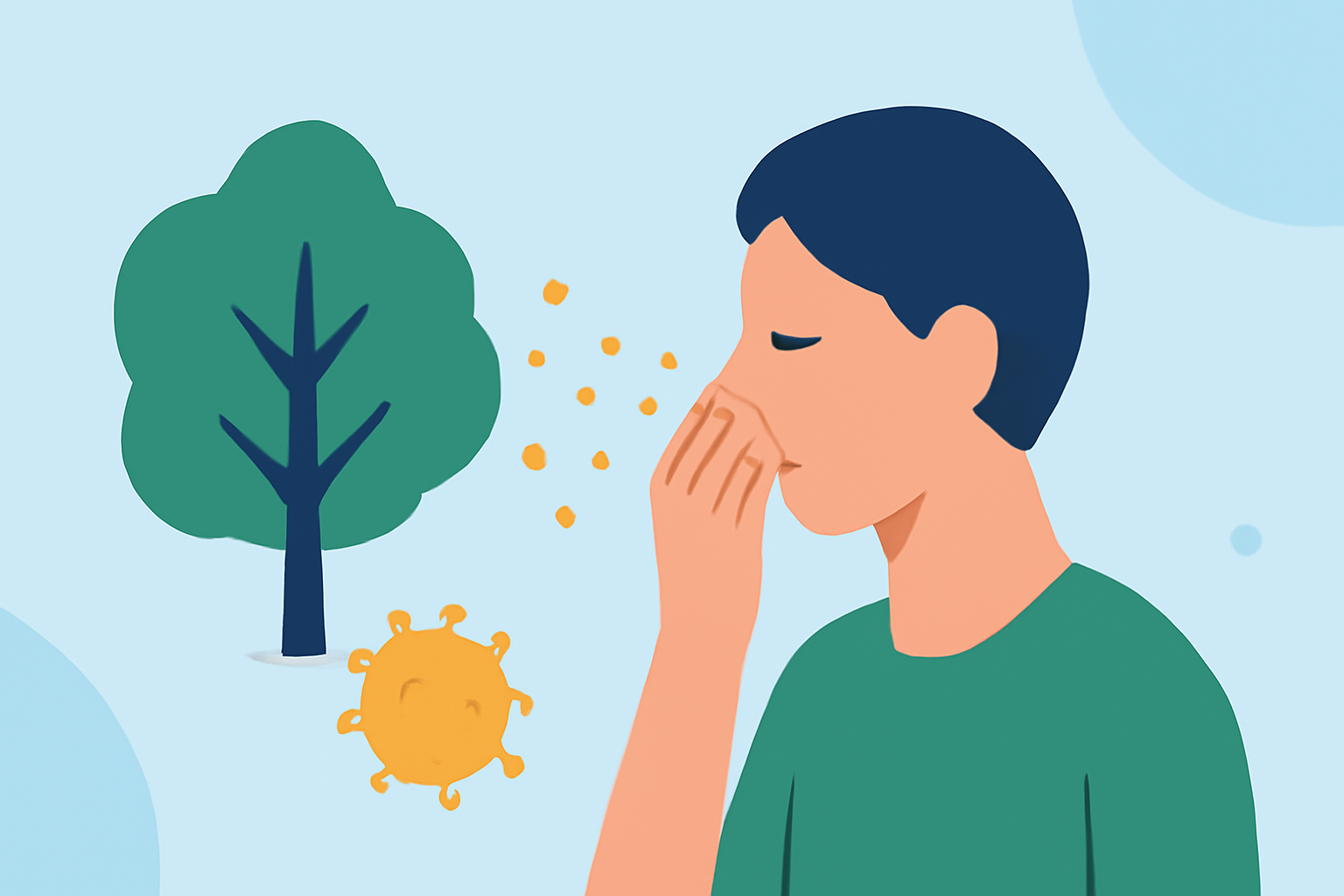
Tree pollen allergies are a prevalent concern in the United States, especially during the spring months when trees release pollen into the air. Understanding the causes, symptoms, and management strategies can help individuals mitigate the impact of these allergies.
What Causes Tree Pollen Allergies?
Tree pollen allergies occur when the immune system mistakenly identifies pollen as a harmful substance, triggering an allergic reaction. Pollen is a fine to coarse powdery substance produced by certain plants as part of their reproduction process. In the spring, trees release pollen into the air, which can travel long distances, leading to widespread exposure. (niehs.nih.gov)
Which Trees Are Common Culprits?
Several tree species are known to produce significant amounts of pollen that can cause allergic reactions. Common offenders include:
-
Oak: Produces billions of pollen grains in spring that can travel miles. (homesandgardens.com)
-
Birch: Releases pollen in early spring, affecting many individuals. (medicalnewstoday.com)
-
Cedar: Including varieties like Ashe juniper, known for causing "cedar fever" in Texas. (homesandgardens.com)
-
Pine: Produces large amounts of pollen during the spring season. (homesandgardens.com)
-
Ash: Commonly found in urban and suburban areas, releasing pollen in early spring. (medicalnewstoday.com)
-
Maple: Releases pollen in early spring, affecting many individuals. (medicalnewstoday.com)
What Are the Symptoms of Tree Pollen Allergies?
Exposure to tree pollen can lead to various allergic reactions, including:
-
Sneezing: A common response to airborne allergens.
-
Nasal Congestion: Blocked nasal passages due to inflammation.
-
Runny Nose: Excess mucus production as a defense mechanism.
-
Itchy or Watery Eyes: Irritation caused by allergens affecting the eyes.
-
Coughing: Triggered by postnasal drip or throat irritation.
-
Fatigue: Feeling tired due to the body's response to allergens.
-
Sore Throat: Irritation from postnasal drip.
These symptoms can range from mild to severe and may overlap with other conditions, making diagnosis challenging. (medicalnewstoday.com)
How Are Tree Pollen Allergies Diagnosed?
Diagnosis typically involves:
-
Medical History Review: Discussing symptoms and their timing.
-
Physical Examination: Checking for signs of allergic reactions.
-
Allergy Testing: Skin tests or blood tests to identify specific allergens.
Accurate diagnosis is essential for effective management and treatment. (medicalnewstoday.com)
What Are the Treatment Options for Tree Pollen Allergies?
Managing tree pollen allergies involves a combination of strategies:
-
Medications: Antihistamines, decongestants, nasal corticosteroids, and leukotriene modifiers can alleviate symptoms. (my.clevelandclinic.org)
-
Allergy Shots (Immunotherapy): Gradual exposure to allergens to build tolerance.
-
Lifestyle Modifications: Keeping windows closed, using air conditioning, and minimizing outdoor activities during peak pollen times. (hopkinsmedicine.org)
-
Natural Remedies: Saline nasal rinses and herbal supplements may provide relief, but their effectiveness varies.
It's crucial to consult with a healthcare provider to determine the most appropriate treatment plan.
How Can Tree Pollen Allergies Be Prevented?
While complete prevention may not be possible, the following measures can help reduce exposure:
-
Monitor Pollen Counts: Stay informed about local pollen levels to plan outdoor activities accordingly. (healthline.com)
-
Limit Outdoor Activities: Especially during peak pollen times, typically early morning hours.
-
Keep Windows Closed: Use air conditioning to filter indoor air.
-
Shower After Outdoor Exposure: To remove pollen from skin and hair.
-
Use HEPA Filters: In air purifiers and vacuum cleaners to reduce indoor pollen levels.
-
Choose Low-Pollen Plants: Opt for trees and plants that are less likely to cause allergies. (homesandgardens.com)
When Should You Seek Medical Attention?
If allergy symptoms are severe, persistent, or interfere with daily activities, it's important to consult a healthcare provider. They can provide a comprehensive evaluation and recommend appropriate treatments.
Understanding tree pollen allergies and implementing effective management strategies can significantly improve quality of life during allergy seasons.
Highlights:
- The Worst Trees for Allergies in American Backyards - And the Low-Pollen Alternatives to Plant Instead, Published on Thursday, April 16