
Understanding Tree Pollen Allergies: A Guide for Parents
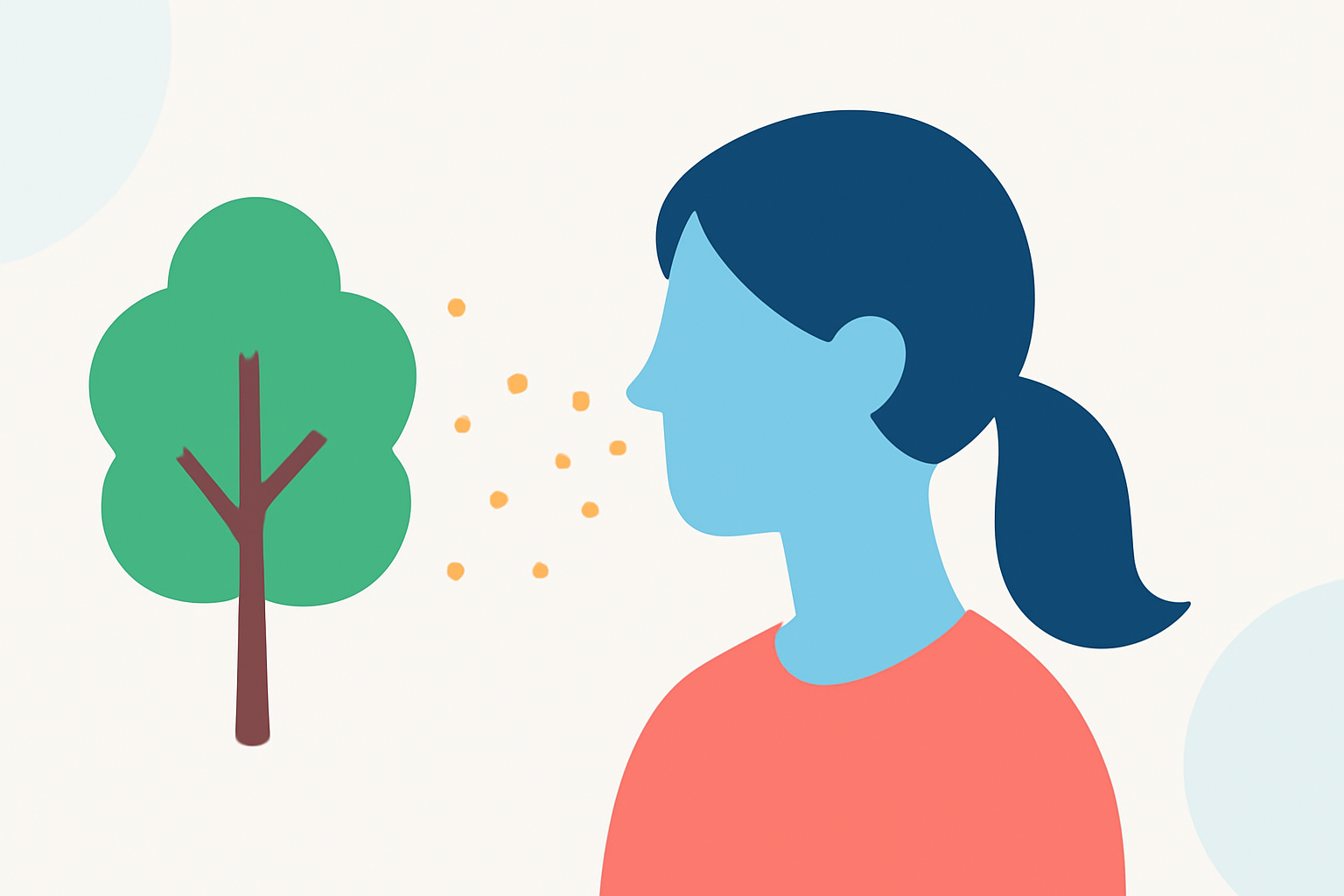
Tree pollen allergies are a common concern for parents, especially during the spring months when trees release pollen into the air. Understanding the causes, symptoms, and management strategies can help you support your child's health and comfort.
What Is Tree Pollen?
Pollen is a fine powder produced by certain plants during their reproductive process. In trees, pollen grains are released into the air to fertilize other trees of the same species. These microscopic grains are carried by the wind and can travel long distances. While pollen is essential for plant reproduction, it can also trigger allergic reactions in sensitive individuals. (hopkinsmedicine.org)
Which Trees Are Common Culprits?
Several tree species are known to produce pollen that can cause allergic reactions. Common offenders include:
- Oak
- Birch
- Elm
- Maple
- Cypress
- Pecan
These trees release pollen primarily in the spring, but the exact timing can vary based on geographic location and climate conditions. (hopkinsmedicine.org)
What Are the Symptoms of Tree Pollen Allergies?
Exposure to tree pollen can lead to a range of allergic reactions, including:
- Sneezing
- Runny or stuffy nose
- Itchy or watery eyes
- Coughing
- Fatigue
In children, these symptoms can interfere with daily activities, including school performance and outdoor play. (my.clevelandclinic.org)
How Is a Tree Pollen Allergy Diagnosed?
If you suspect your child has a tree pollen allergy, consult a healthcare provider. They may recommend:
- Medical History Review: Discussing your child's symptoms and any family history of allergies.
- Physical Examination: Checking for signs of allergic reactions.
- Allergy Testing: Conducting skin or blood tests to identify specific allergens.
Accurate diagnosis is crucial for developing an effective treatment plan. (my.clevelandclinic.org)
What Are the Treatment Options?
Managing tree pollen allergies involves a combination of strategies:
- Medications: Over-the-counter antihistamines, nasal corticosteroids, and decongestants can alleviate symptoms.
- Allergen Immunotherapy: Allergy shots or sublingual tablets can help desensitize the immune system over time.
- Lifestyle Modifications: Keeping windows closed during high pollen seasons, using air purifiers, and limiting outdoor activities when pollen counts are high can reduce exposure. (my.clevelandclinic.org)
How Can Parents Help Manage Their Child's Allergy?
As a parent, you can support your child by:
- Monitoring Pollen Levels: Stay informed about local pollen forecasts to plan outdoor activities accordingly.
- Creating an Allergy-Friendly Environment: Use air conditioning with clean filters, keep windows closed, and regularly clean your home to reduce indoor allergens.
- Encouraging Good Hygiene: Have your child wash their hands and face after playing outside to remove pollen residues.
By understanding tree pollen allergies and implementing these strategies, you can help your child navigate allergy season more comfortably.
For a more in-depth understanding, consider watching the following video:
Understanding Tree Pollen Allergies in Children: A Guide for Parents