
Understanding Tree Pollen Allergies in Pets: A Guide for Pet Owners
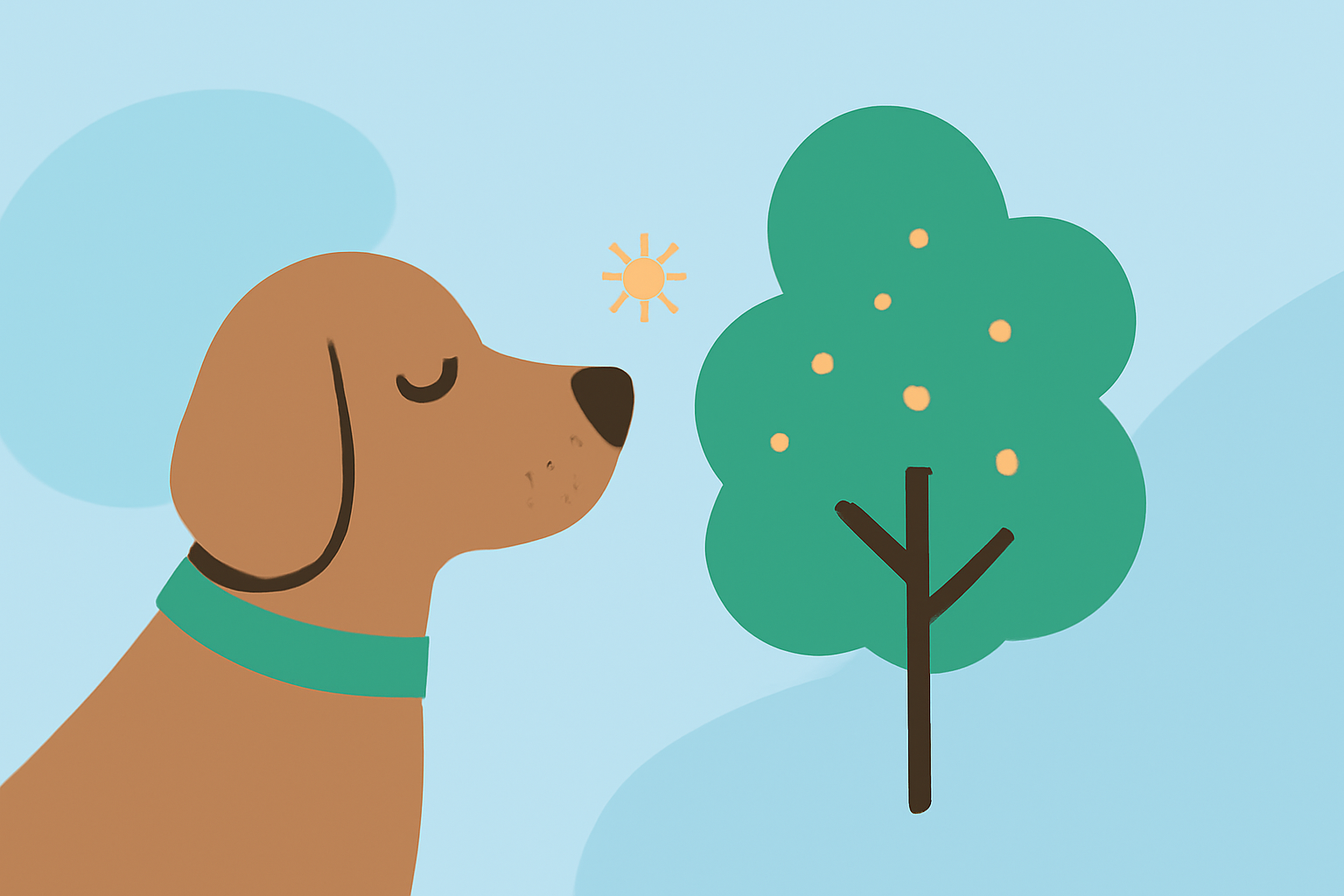
As a pet owner, it's essential to be aware that tree pollen can significantly impact your pets' health, especially during peak pollen seasons. Understanding how tree pollen affects pets, recognizing allergy symptoms, and implementing effective management strategies can help ensure your furry friends remain comfortable and healthy.
How Does Tree Pollen Affect Pets?
Tree pollen is a common environmental allergen that can trigger allergic reactions in pets, particularly dogs and cats. When pets inhale or come into contact with pollen, their immune system may overreact, leading to various allergic symptoms. Unlike humans, pets often exhibit skin-related symptoms rather than respiratory ones.
What Are the Common Symptoms of Tree Pollen Allergies in Pets?
Pets with pollen allergies may display a range of symptoms, including:
-
Itching and Scratching: Excessive scratching, licking, or biting, especially on the paws, face, ears, and underarms.
-
Skin Irritation: Red, inflamed, or moist skin, often leading to hair loss and secondary infections.
-
Ear Issues: Frequent ear infections, head shaking, or an unpleasant odor from the ears.
-
Gastrointestinal Problems: Vomiting or diarrhea may occur in some cases.
-
Respiratory Signs: Less commonly, pets might exhibit sneezing or coughing.
It's important to note that symptoms can vary between individual pets, and some may not show all these signs. If you notice any of these symptoms, consult your veterinarian for proper diagnosis and treatment.
How Can You Manage Your Pet's Pollen Allergies?
While you may not be able to eliminate pollen exposure entirely, several strategies can help manage your pet's allergies:
-
Limit Outdoor Activities: During peak pollen times, usually midday and early afternoon, reduce your pet's outdoor exposure.
-
Create an Allergen-Free Zone: Designate areas in your home, like a bedroom, as pollen-free zones by keeping windows closed and using air purifiers.
-
Regular Grooming: Frequent baths and brushing can remove pollen from your pet's coat and skin.
-
Clean Your Home: Regularly vacuum and wash your pet's bedding to reduce pollen accumulation.
-
Consult Your Veterinarian: Your vet may recommend medications, such as antihistamines or corticosteroids, to control allergy symptoms.
How Does Clime Help Pet Owners Manage Pollen Allergies?
Clime offers a comprehensive solution for pet owners to monitor and manage environmental allergens, including pollen levels. By providing real-time pollen forecasts and personalized alerts, Clime helps you make informed decisions about your pet's outdoor activities, ensuring their comfort and health during allergy seasons.
What Are the Benefits of Using Clime for Pollen Allergy Management?
-
Real-Time Pollen Forecasts: Stay updated on current pollen levels in your area.
-
Personalized Alerts: Receive notifications when pollen levels are high, allowing you to adjust your pet's outdoor schedule accordingly.
-
Health Insights: Access information on how pollen levels may affect your pet's health, aiding in proactive care.
-
User-Friendly Interface: Navigate easily through Clime's features to monitor and manage allergens effectively.
By integrating Clime into your daily routine, you can proactively manage your pet's exposure to pollen, leading to a more comfortable and healthier life for your furry companion.
FAQs
Q: Can indoor pets be affected by tree pollen allergies?
A: Yes, indoor pets can still be exposed to pollen that enters the home through open windows, on clothing, or via air circulation. Implementing indoor allergen-reduction strategies, such as using air purifiers and keeping windows closed during high pollen seasons, can help minimize exposure.
Q: Are certain breeds more susceptible to pollen allergies?
A: While any pet can develop pollen allergies, certain breeds may be more prone due to genetic factors. For instance, dogs with shorter coats or those with skin folds may have a higher risk. Consulting with your veterinarian can provide insights specific to your pet's breed and individual health profile.
Q: How can I differentiate between pollen allergies and other health issues in my pet?
A: Pollen allergies often present with seasonal symptoms like itching, skin inflammation, and ear infections. If your pet exhibits these signs during specific times of the year, pollen allergies are likely. However, other health issues can cause similar symptoms. A thorough examination by your veterinarian is essential for an accurate diagnosis and appropriate treatment plan.
By staying informed and utilizing tools like Clime, you can effectively manage your pet's exposure to tree pollen, ensuring their well-being throughout the allergy season.