
Understanding Turbulence and Motion Comfort on Long-Haul Flights
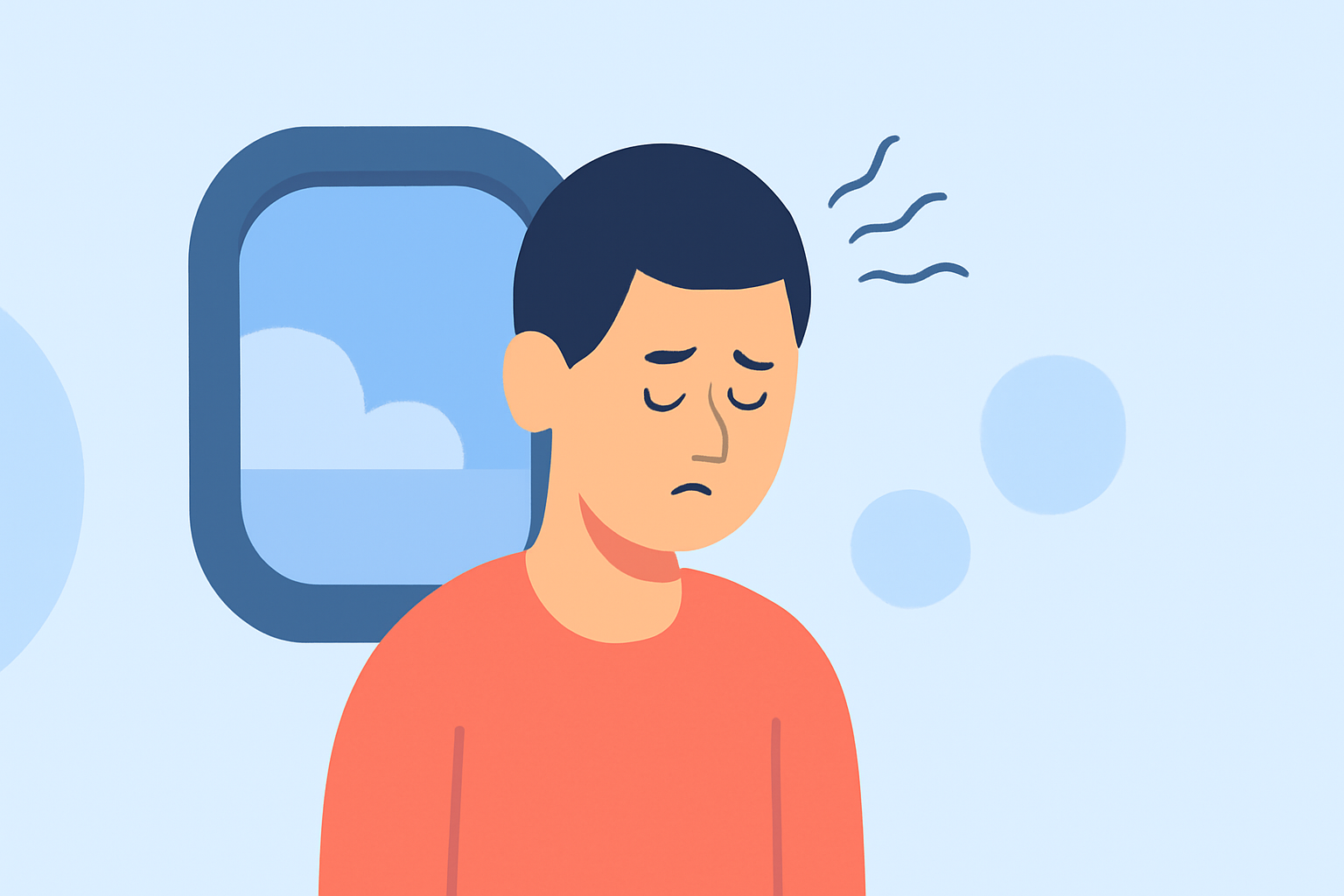
Long-haul flights, often spanning several hours, can present challenges related to turbulence and motion discomfort. Understanding these factors and implementing effective strategies can significantly enhance your travel experience.
What Is Turbulence and What Causes It?
Turbulence refers to irregular air movements that cause an aircraft to experience sudden changes in altitude, speed, or attitude. This phenomenon is primarily caused by several atmospheric conditions:
-
Jet Stream Turbulence: The jet stream is a narrow band of fast-moving air at cruise altitude, typically 30,000–40,000 feet. When an aircraft crosses the jet stream boundary, the wind shear creates turbulence. This is why transatlantic routes are consistently bumpy in winter and smooth in summer. (turbulence-forecast.com)
-
Mountain Turbulence: When wind flows over a mountain range, it creates waves on the downwind side that can extend to cruise altitude and beyond. This type of turbulence is predictable but can be severe. (turbulence-forecast.com)
-
Clear-Air Turbulence (CAT): This occurs in clear skies, typically at high altitudes, and is often associated with jet streams. It's unpredictable and can be challenging for pilots to detect. (calmflights.com)
How Does Turbulence Affect Passenger Comfort?
Turbulence can lead to discomfort ranging from mild to severe, depending on its intensity:
-
Light Turbulence: Slight, momentary changes in altitude or attitude.
-
Moderate Turbulence: Changes in altitude or attitude occur but the aircraft remains in control.
-
Severe Turbulence: Large, abrupt changes in altitude or attitude; may cause temporary loss of control.
While turbulence is generally safe, it can cause anxiety and discomfort. Understanding its causes and effects can help passengers manage their expectations and comfort levels. (calmflights.com)
Strategies to Enhance Comfort During Turbulence
Implementing certain strategies can help mitigate the effects of turbulence and improve overall comfort:
-
Seat Selection: Choosing seats over the wings, near the aircraft's center of gravity, can minimize the sensation of turbulence. Seats in the rear of the aircraft tend to experience more pronounced movements. (turbcast.com)
-
Stay Seated with Seatbelt Fastened: Keeping your seatbelt fastened at all times ensures safety during unexpected turbulence. (calmflights.com)
-
Use Air Vents: Directing the air vent towards your face can provide a sense of control and reduce feelings of nausea. (motion-relief.com)
-
Avoid Heavy Meals Before and During Turbulent Periods: Opt for light meals to reduce the likelihood of motion sickness. (motion-relief.com)
-
Practice Deep Breathing: Engaging in deep breathing exercises can help calm the nervous system and reduce anxiety associated with turbulence. (mightytravels.com)
How Can Planes Live Enhance Your Flight Experience?
Planes Live offers real-time flight tracking and turbulence forecasting, allowing passengers to anticipate and prepare for turbulent conditions. By providing up-to-date information on flight paths and expected turbulence, Planes Live enables travelers to make informed decisions about seat selection and in-flight activities, thereby enhancing overall comfort and peace of mind.
Conclusion
Understanding the causes of turbulence and implementing strategies to manage motion discomfort can significantly improve your experience on long-haul flights. Utilizing tools like Planes Live can further assist in anticipating and mitigating the effects of turbulence, ensuring a more comfortable journey.