
Understanding the Basics of Turbulence for Frequent Flyers
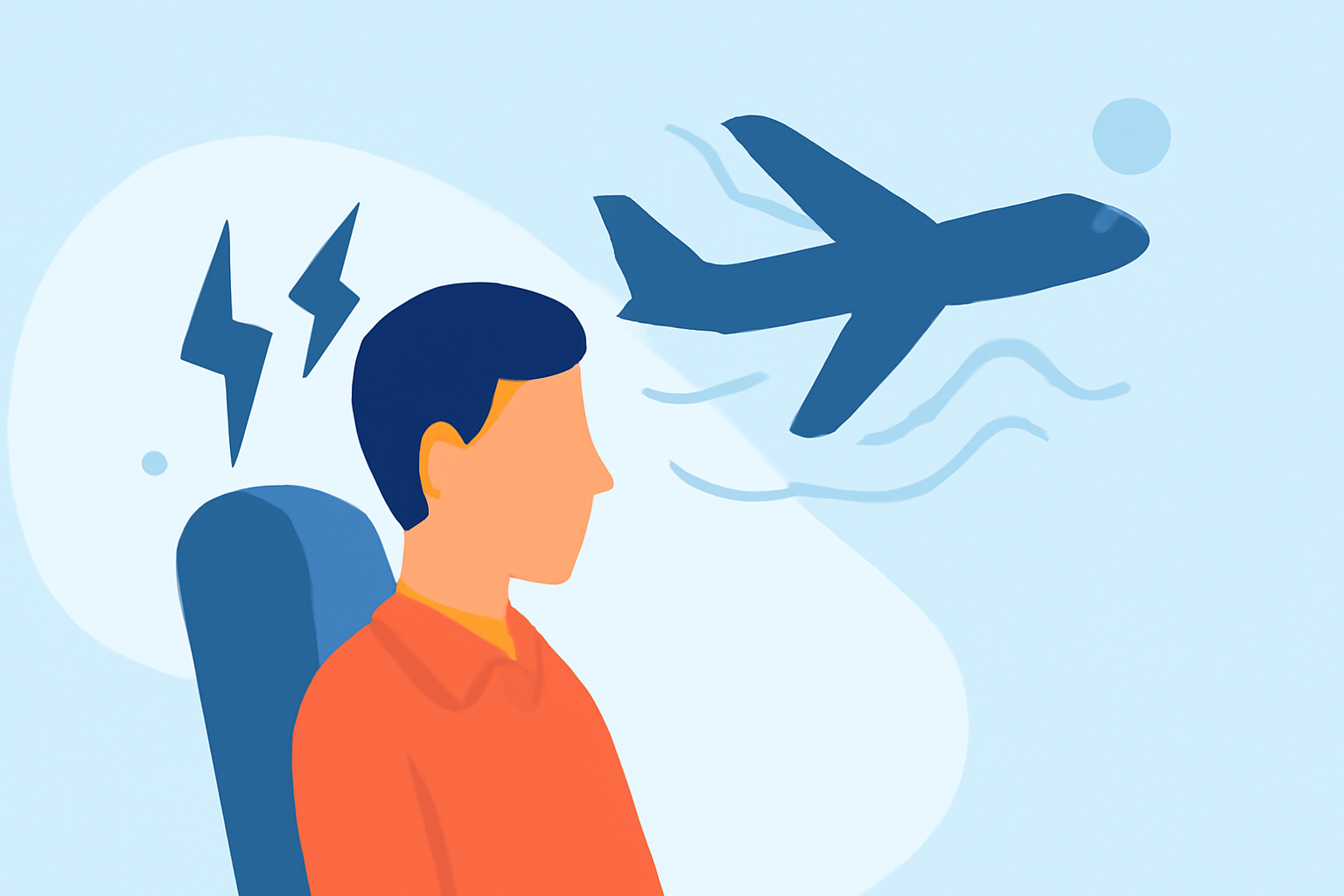
Turbulence is a common phenomenon in air travel, often causing discomfort but rarely posing significant danger. Understanding its causes can help frequent flyers manage their experiences more effectively.
What Is Turbulence?
Turbulence refers to irregular air movements that result in sudden, unpredictable changes in altitude and speed during a flight. These disturbances are typically caused by various atmospheric conditions and can vary in intensity.
Primary Causes of Turbulence
-
Convective Turbulence: This type arises from vertical air currents associated with convective clouds, such as cumulonimbus clouds that produce thunderstorms. The strong updrafts and downdrafts within these clouds can lead to significant turbulence. (community.wmo.int)
-
Mechanical Turbulence: Occurs when air flows over irregular terrain or obstacles like mountains, buildings, or other structures. The disruption in airflow creates eddies and vortices, leading to turbulence. (weather.gov)
-
Clear Air Turbulence (CAT): This type happens in clear skies, typically at high altitudes near jet streams. It results from wind shear, where different air masses move at varying speeds or directions, causing sudden changes in airflow. (skybrary.aero)
-
Jet Streams: These are narrow, fast-moving air currents found at high altitudes. Aircraft crossing jet streams may experience turbulence due to the significant wind speed differences between the jet stream and surrounding air. (skybrary.aero)
Impact of Climate Change on Turbulence
Recent studies indicate that climate change is making turbulence more frequent and intense. The warming atmosphere affects jet streams, leading to increased instances of clear air turbulence. While this may result in longer and more severe turbulence episodes, aircraft are designed to withstand such conditions, and pilots are trained to handle them. (lemonde.fr)
Managing Turbulence as a Frequent Flyer
-
Stay Informed: Before your flight, check weather forecasts and reports for potential turbulence along your route.
-
Choose Your Seat Wisely: Seats over the wings tend to experience less motion during turbulence.
-
Keep Your Seatbelt Fastened: Always wear your seatbelt when seated, even if the seatbelt sign is off, as turbulence can occur unexpectedly.
-
Stay Calm: Remember that turbulence is a normal part of flying, and aircraft are built to handle it safely.
Conclusion
While turbulence is an unavoidable aspect of air travel, understanding its causes and how to manage it can make your flying experience more comfortable. Staying informed and prepared will help you navigate these conditions with confidence.
For a visual explanation of turbulence and its causes, you might find this video helpful:
Let's learn about turbulence in airplanes: what it is and why it happens.