
Understanding Turbulence Forecasts: A Guide for First-Time Flyers
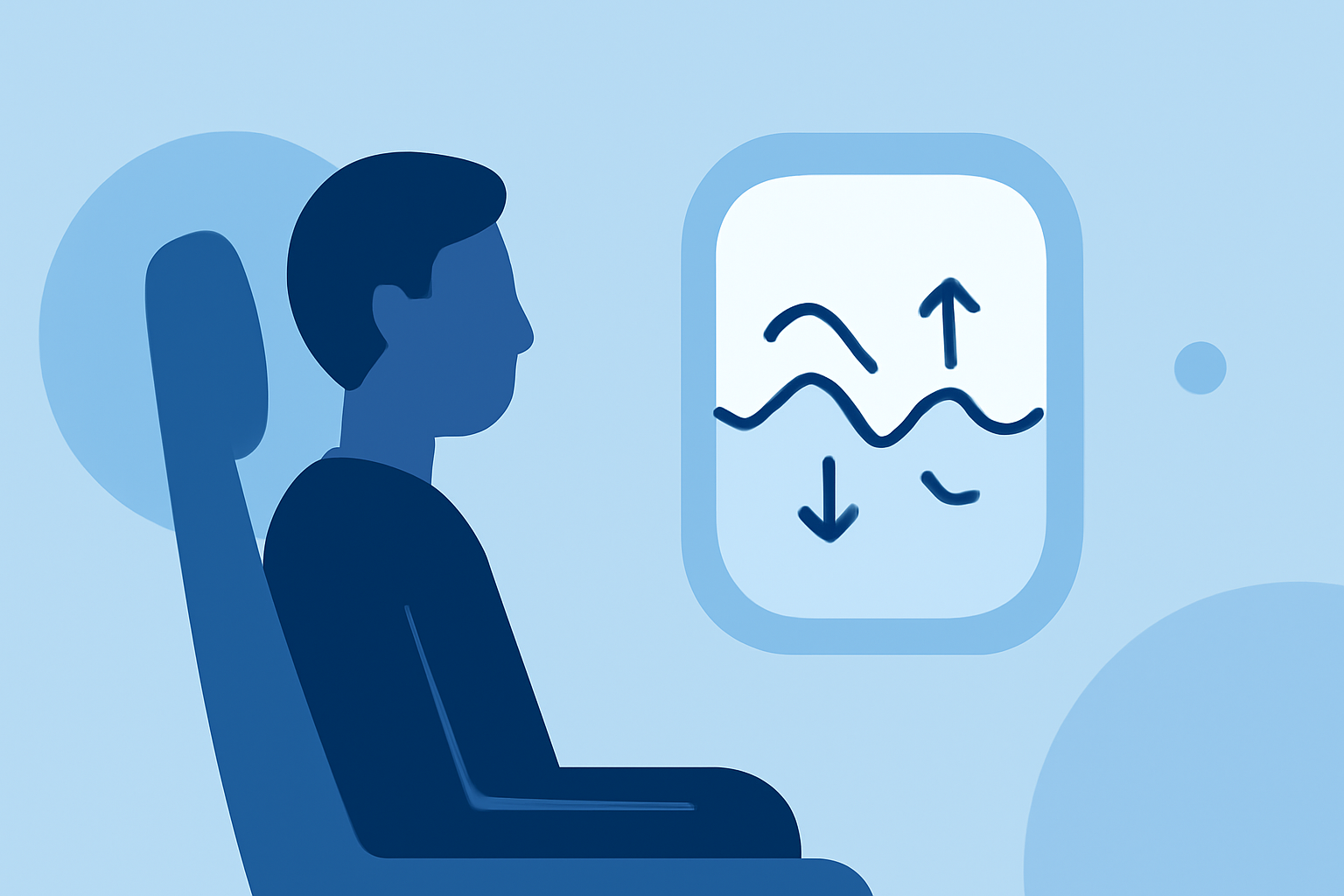
Embarking on your first flight can be both exciting and nerve-wracking, especially when it comes to the prospect of turbulence. Understanding what turbulence is, its causes, and how to anticipate it can significantly ease your travel experience.
What Is Turbulence and What Causes It?
Turbulence refers to irregular motion of the air resulting from various atmospheric conditions. It's a common and generally harmless part of air travel. The primary causes include:
-
Jet Streams: Narrow bands of strong wind in the upper levels of the atmosphere can create turbulence when aircraft cross them.
-
Storms and Thunderstorms: These weather systems can cause significant air disturbances, leading to turbulence.
-
Mountain Waves: Air flowing over mountain ranges can create waves of turbulent air.
-
Thermal Turbulence: Warm air rising from the Earth's surface can cause bumpy conditions, especially on hot days.
Understanding these causes can help demystify the experience and reduce anxiety. (nationalgeographic.com)
How to Prepare for Turbulence
While it's impossible to predict every instance of turbulence, there are steps you can take to prepare:
-
Stay Informed: Before your flight, check the weather forecast for your route. Websites and apps provide real-time turbulence forecasts, offering insights into potential rough patches along your journey. (turbcast.com)
-
Choose Your Seat Wisely: Seats over the wings tend to experience less motion compared to those at the back of the plane.
-
Keep Your Seatbelt Fastened: Even when the seatbelt sign is off, it's advisable to keep your seatbelt loosely fastened to stay secure during unexpected turbulence.
-
Stay Calm: Remember, turbulence is a normal part of flying. Modern aircraft are designed to handle it safely. Practicing deep breathing or listening to calming music can help manage anxiety.
Utilizing Turbulence Forecast Tools
For those particularly anxious about turbulence, several tools can provide detailed forecasts:
-
Flight Chop: Offers real-time turbulence reports and route assessments for U.S. flights, helping passengers understand and anticipate turbulence. (flightchop.com)
-
Turbcast: Provides free turbulence forecasts for every commercial flight, utilizing NOAA aviation weather data. (turbcast.com)
-
Turby: Analyzes real aviation weather data to forecast turbulence for specific flights, offering a real-time turbulence score and route visualization. (turby.app)
-
ZeroTurb: Utilizes AI to predict turbulence, offering real-time flight turbulence forecasts powered by official data sources. (zeroturb.com)
These tools can help you anticipate and prepare for turbulence, making your flight experience more comfortable.
Final Thoughts
Turbulence is a natural and common aspect of air travel. By understanding its causes and utilizing available resources, you can approach your flight with greater confidence and ease.
Remember, the skies are vast, and with the right preparation, you can navigate them smoothly.
Highlights:
- What causes turbulence, and what can you do if it happens to you? | National Geographic, Published on Tuesday, July 15
- A Nervous Flyer’s Guide to Flight Turbulence | AAA Club Alliance, Published on Monday, October 06
- Flight Turbulence: What It Is, Why It Happens, and How to Predict It, Published on Sunday, March 22