
Understanding Urban Climate Trends: A Parent's Guide
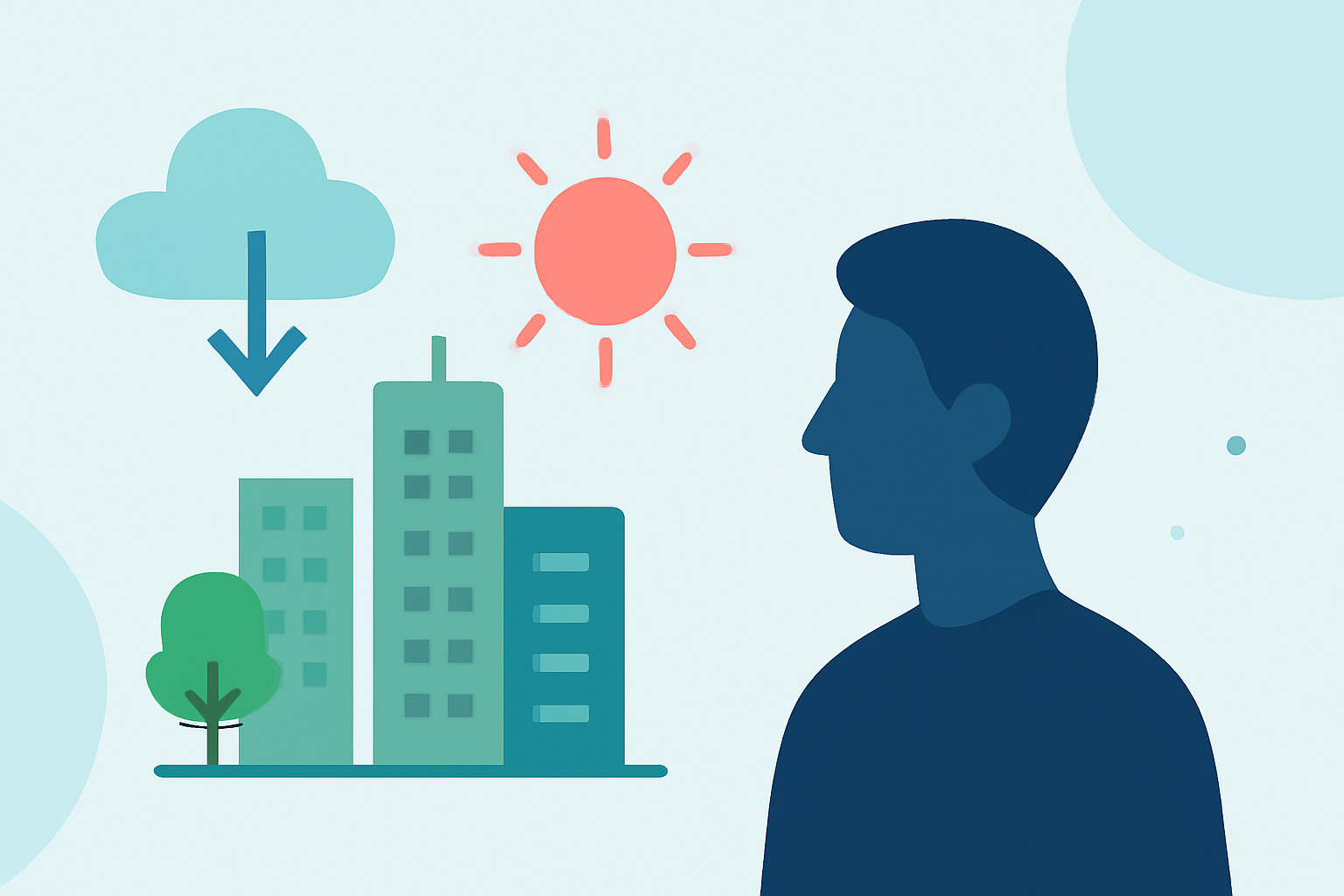
As urban areas expand, understanding the effects of urban climate trends becomes crucial for parents aiming to protect their families. This guide delves into the phenomenon of urban heat islands, their impacts, and practical steps to mitigate their effects.
What Are Urban Heat Islands?
Urban heat islands (UHIs) are urbanized areas that experience higher temperatures than their rural surroundings. Structures such as buildings, roads, and other infrastructure absorb and re-emit the sun’s heat more than natural landscapes such as forests and water bodies. Urban areas, where these structures are highly concentrated and greenery is limited, become "islands" of higher temperatures relative to outlying areas. (epa.gov)
How Do Heat Islands Affect Families?
The elevated temperatures in heat islands can have several adverse effects on families:
-
Health Risks: Increased temperatures can lead to heat-related illnesses, especially in children and the elderly. (epa.gov)
-
Elevated Energy Costs: Higher temperatures often result in increased use of air conditioning, leading to higher energy bills.
-
Compromised Water Quality: Elevated temperatures can increase the temperature of stormwater runoff, harming aquatic life. (19january2017snapshot.epa.gov)
What Contributes to Heat Islands?
Several factors contribute to the formation of heat islands:
-
Lack of Vegetation: Urban areas often have fewer trees and green spaces, reducing natural cooling.
-
Impervious Surfaces: Materials like asphalt and concrete absorb and retain heat.
-
Building Materials: Certain materials used in construction can increase heat absorption. (epa.gov)
How Can Parents Mitigate Heat Island Effects?
Parents can take several steps to help reduce the impact of heat islands:
-
Plant Trees and Vegetation: Increasing greenery can provide shade and cool the environment. (epa.gov)
-
Use Cool Roofing Materials: Installing reflective roofing materials can reduce heat absorption.
-
Implement Cool Pavement Strategies: Using reflective or permeable materials for pavements can help cool the area. (epa.gov)
-
Engage in Community Initiatives: Participate in local efforts to increase green spaces and promote sustainable practices. (epa.gov)
How Does Clime Support Families in Addressing Urban Climate Trends?
Clime offers innovative solutions to help families monitor and adapt to urban climate trends. By providing real-time data and personalized recommendations, Clime empowers parents to make informed decisions to protect their families from the adverse effects of urban heat islands.
FAQs
What are urban heat islands?
Urban heat islands are urbanized areas that experience higher temperatures than their rural surroundings due to human activities and infrastructure. (epa.gov)
How do heat islands affect health?
Heat islands can increase the risk of heat-related illnesses, especially in vulnerable populations like children and the elderly. (epa.gov)
What can parents do to reduce heat island effects?
Parents can plant trees, use cool roofing materials, implement cool pavement strategies, and engage in community initiatives to help reduce heat island effects. (epa.gov)
How does Clime help families with urban climate trends?
Clime provides real-time data and personalized recommendations to help families monitor and adapt to urban climate trends, empowering parents to protect their families from the adverse effects of urban heat islands.
Why is it important to address urban heat islands?
Addressing urban heat islands is crucial to mitigate health risks, reduce energy costs, and improve overall quality of life for urban residents. (19january2017snapshot.epa.gov)