
Understanding UV Index Alerts: A Beginner's Guide
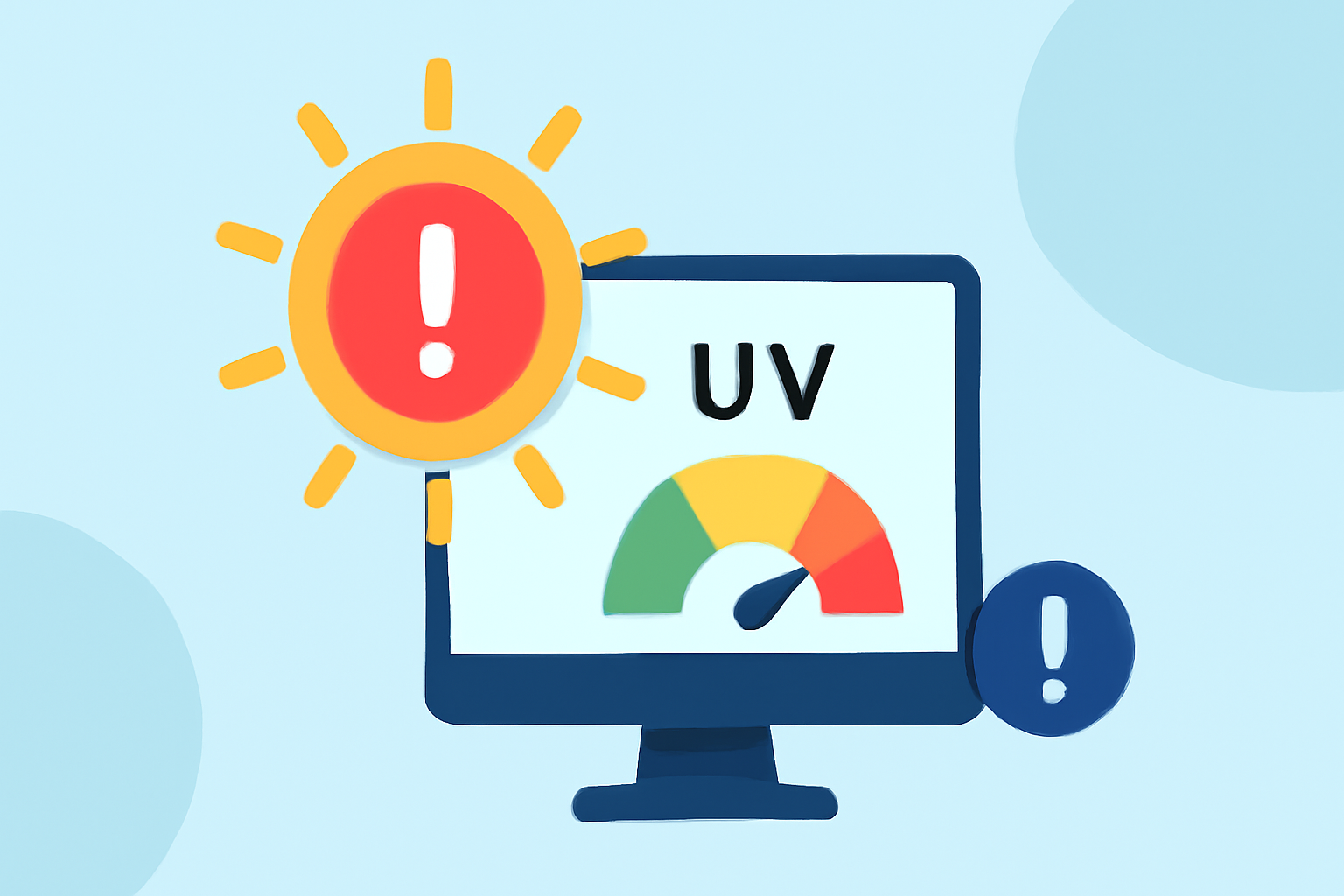
The Ultraviolet (UV) Index is a daily forecast that measures the intensity of UV radiation from the sun, helping individuals assess the risk of overexposure and take appropriate precautions. (epa.gov)
What Is the UV Index?
The UV Index is a scale ranging from 0 to 11+, indicating the potential for skin damage due to UV exposure. A higher number signifies a greater risk. (epa.gov)
Understanding the UV Index Scale
-
0 to 2 (Low): Minimal risk. No protection needed. You can safely enjoy being outside. (epa.gov)
-
3 to 5 (Moderate): Moderate risk. Protection needed. Seek shade during midday hours. Wear protective clothing, a wide-brimmed hat, and sunglasses. Use broad-spectrum sunscreen with SPF 15 or higher. (epa.gov)
-
6 to 7 (High): High risk. Protection against sun damage is needed. Wear a wide-brimmed hat and sunglasses. Use broad-spectrum sunscreen with SPF 15 or higher. Wear long-sleeved shirts and pants when practical. Seek shade during midday hours. (epa.gov)
-
8 to 10 (Very High): Very high risk. Extra protection needed. Be careful outside, especially during late morning through mid-afternoon. If your shadow is shorter than you, seek shade and wear protective clothing, a wide-brimmed hat, and sunglasses. Generously apply a minimum of SPF 15, broad-spectrum sunscreen on exposed skin. (epa.gov)
-
11+ (Extreme): Extreme risk. Protection against sun damage is needed. If you need to be outside during midday hours between 10 a.m. and 4 p.m., take steps to reduce sun exposure. A shirt, hat, and sunscreen are a must, and be sure you seek shade. Beachgoers should know that white sand and other bright surfaces reflect UV and can double UV exposure. (epa.gov)
How to Check the UV Index
You can check the UV Index for your location through various sources:
-
EPA's Envirofacts: Provides UV Index forecasts for cities across the United States. (epa.gov)
-
National Weather Service: Offers UV Index values for specific cities. (weather.gov)
-
Mobile Applications: Some apps provide real-time UV Index updates and alerts. For example, the UV Index Alerts app offers daily UV alerts tailored to your skin type, helping you know when to apply sunscreen, seek shade, and how long you can safely stay outside. (apps.apple.com)
Protecting Yourself from UV Radiation
Regardless of the UV Index level, it's essential to take precautions to protect your skin and eyes from harmful UV radiation:
-
Limit Sun Exposure: Especially between 10 a.m. and 4 p.m., when UV radiation is strongest.
-
Seek Shade: Whenever possible, stay in the shade, particularly during peak sun hours.
-
Use Sunscreen: Apply a broad-spectrum sunscreen with an SPF of at least 30. Reapply every two hours, and after swimming or sweating.
-
Wear Protective Clothing: Opt for long-sleeved shirts, long pants, and a wide-brimmed hat. Choose clothing made of tightly woven fabric for better protection.
-
Wear Sunglasses: Select sunglasses that block 100% of UVA and UVB rays to protect your eyes.
-
Avoid Tanning Beds: Artificial sources of UV radiation can also damage your skin and eyes.
Conclusion
Understanding the UV Index and staying informed about daily UV levels are crucial steps in protecting yourself from the harmful effects of UV radiation. By taking appropriate precautions, you can enjoy outdoor activities safely and reduce the risk of skin damage and other health issues associated with overexposure to the sun.
Highlights:
- UV Alert | US EPA, Published on Wednesday, January 28
- UV Index Alerts App - App Store