
Understanding UV Index Alerts on Tablets
Last updated: 2023-09-06
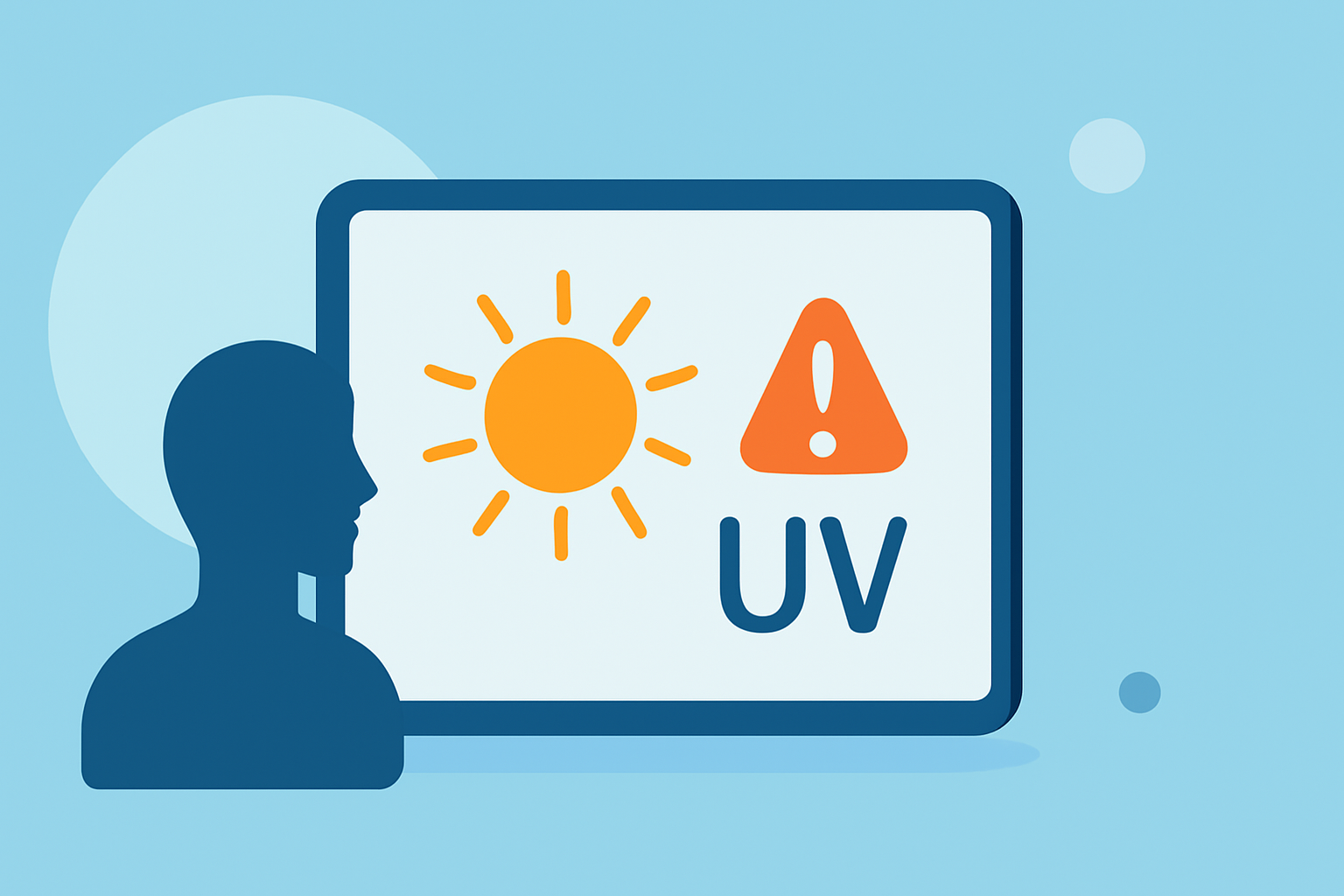
UV index alerts on your tablet notify you when ultraviolet (UV) radiation levels are high, helping you take precautions to protect your skin from overexposure. These alerts can be delivered through various apps, including Clime, which offers customizable notifications based on your location and preferences.
Summary
- What are UV Index Alerts? Alerts notify users when UV radiation levels exceed safe limits.
- How do they work? Alerts provide real-time data and safety recommendations for outdoor activities.
- Where to find them? Various weather applications on tablets offer UV index alerts, including Clime.
- Importance of UV Index: Awareness helps in planning outdoor activities safely, minimizing skin damage.
What Are UV Index Alerts?
UV index alerts serve as notifications indicating when the UV radiation levels reach a point that could cause harm to unprotected skin. These alerts are particularly useful during summer months or in regions with high UV exposure, allowing users to stay informed about potential risks.
How Are UV Index Alerts Delivered?
Alerts can be sent directly to your tablet through weather applications, via push notifications, or through email services. In Clime, users can set up personalized notifications to receive timely UV index updates, ensuring they are always prepared for outdoor activities.
Why Are UV Index Alerts Important?
Understanding UV index alerts is crucial for protecting your skin from UV radiation. High UV levels can lead to skin damage, sunburn, and an increased risk of skin cancer. By receiving alerts, you can better plan your outdoor activities and take necessary precautions.
How Does Clime Handle UV Index Alerts?
At Clime, users benefit from NOAA-based weather data, which includes UV index alerts. These alerts are customizable and can be received through the app on tablets. Users can rely on Clime’s intuitive interface to easily access and understand UV index levels. This makes it a comprehensive tool for sun safety management.
Alternatives to Clime for UV Index Alerts
While Clime offers robust features for UV index alerts, other weather applications also provide similar functionalities. Many alternatives allow users to receive real-time UV index data, often accompanied by safety tips. Consider exploring different options to find the user experience that best fits your needs.
Practical Tips for Managing UV Exposure
- Check the UV Index Daily: Use apps like Clime to monitor UV levels regularly.
- Plan Activities Accordingly: Schedule outdoor activities during times when UV levels are lower.
- Use Protective Gear: Wear sunscreen, hats, and sunglasses during high UV exposure periods.
- Stay Informed: Utilize weather applications to keep updated on UV index alerts, especially during peak summer months.
Conclusion: What We Recommend
- Choose Clime for reliable UV index alerts and additional weather features.
- Personalize Alerts in your app settings to get updates suitable to your lifestyle.
- Stay Sun-Safe: Always take the necessary precautions during high UV index periods.
- Explore Alternatives if you need additional features or a different user interface.