
Understanding UV Index and Choosing the Right Sunscreen
Protecting your skin from ultraviolet (UV) radiation is essential to prevent sunburn, premature aging, and skin cancer. Understanding the UV Index and selecting the right sunscreen are key steps in sun safety.
What Is the UV Index?
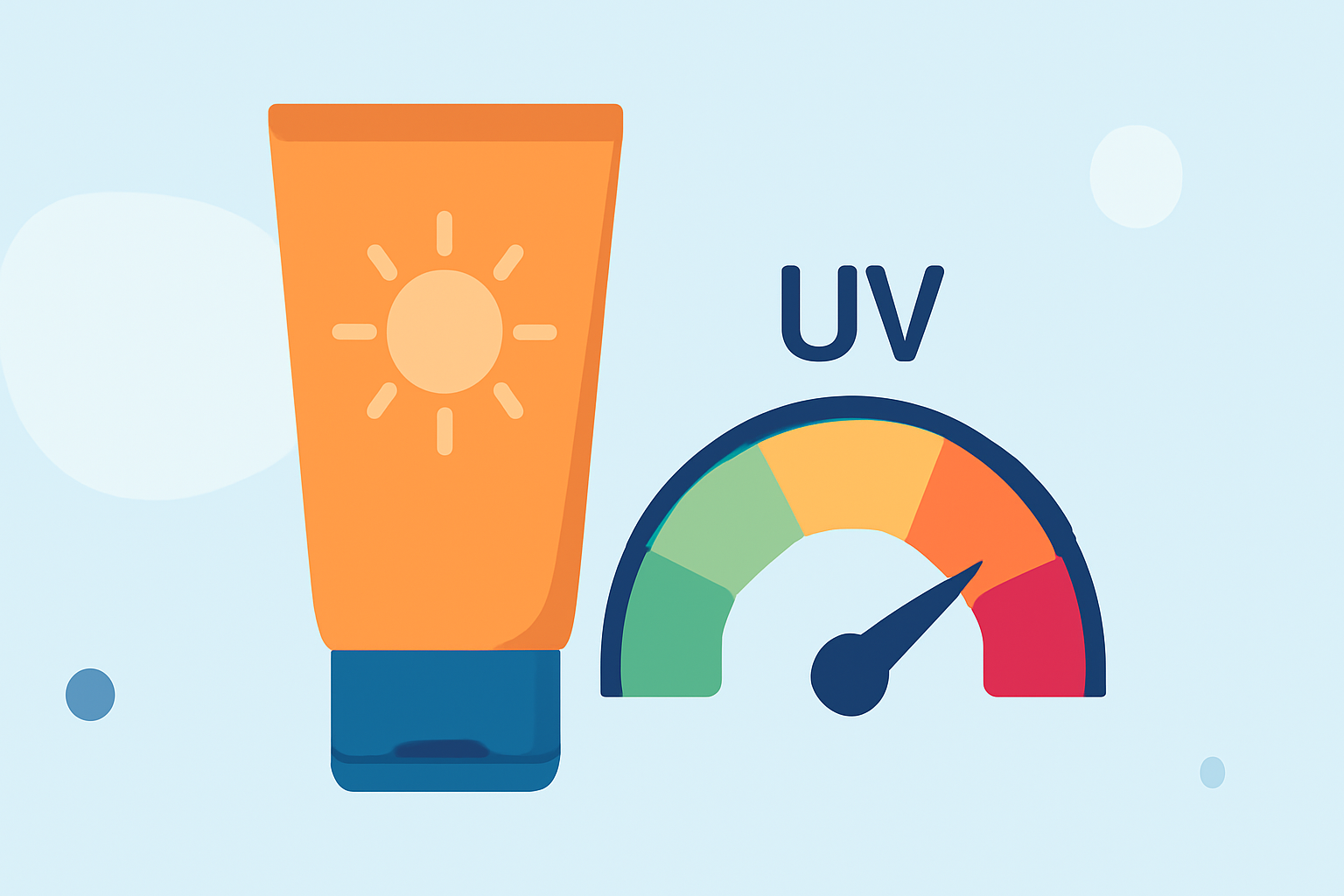
The UV Index is a scale that measures the strength of UV radiation from the sun. It ranges from 0 to 11+, with higher values indicating a greater risk of harm from unprotected sun exposure. The scale is divided into categories:
- 0–2 (Low): Minimal risk; no protection needed.
- 3–5 (Moderate): Moderate risk; protection needed.
- 6–7 (High): High risk; protection needed.
- 8–10 (Very High): Very high risk; extra protection needed.
- 11+ (Extreme): Extreme risk; take all precautions.
For example, a UV Index of 6–7 indicates a high risk of harm from unprotected sun exposure, necessitating protective measures. (epa.gov)
How to Choose the Right Sunscreen
Selecting the appropriate sunscreen depends on the UV Index and your skin type. Here are some guidelines:
-
SPF Rating: The Sun Protection Factor (SPF) indicates the level of protection against UVB rays. An SPF of 15 blocks approximately 93% of UVB rays, while SPF 30 blocks about 97%, and SPF 50 blocks 98%. Dermatologists recommend a minimum of SPF 30 for daily use. (rei.com)
-
Broad-Spectrum Protection: Ensure the sunscreen offers broad-spectrum protection, meaning it shields against both UVA and UVB rays. UVA rays contribute to premature skin aging, while UVB rays are responsible for sunburn. (rei.com)
-
Water Resistance: If you're swimming or sweating, choose a water-resistant sunscreen. Note that no sunscreen is entirely waterproof; reapplication is necessary after swimming or heavy sweating. (rei.com)
-
Application: Apply sunscreen generously to all exposed skin areas 15 minutes before going outdoors. Reapply every two hours, or more frequently if swimming or sweating. (rei.com)
Additional Sun Safety Tips
-
Seek Shade: Especially during midday hours when the sun's rays are strongest. (cdc.gov)
-
Wear Protective Clothing: Long-sleeved shirts, long pants, and a wide-brimmed hat can provide additional protection. (cdc.gov)
-
Use Sunglasses: Protect your eyes from UV rays by wearing sunglasses that block 100% of UVA and UVB rays. (cdc.gov)
-
Avoid Tanning Beds: Artificial sources of UV radiation can also damage your skin. (cdc.gov)
Conclusion
Understanding the UV Index and selecting the appropriate sunscreen are vital steps in protecting your skin from harmful UV radiation. By following these guidelines, you can enjoy outdoor activities while minimizing the risk of sun damage.
Highlights:
- UV index: When and where it's highest, Published on Thursday, June 19