
Understanding the UV Index Forecast: A Comprehensive Guide
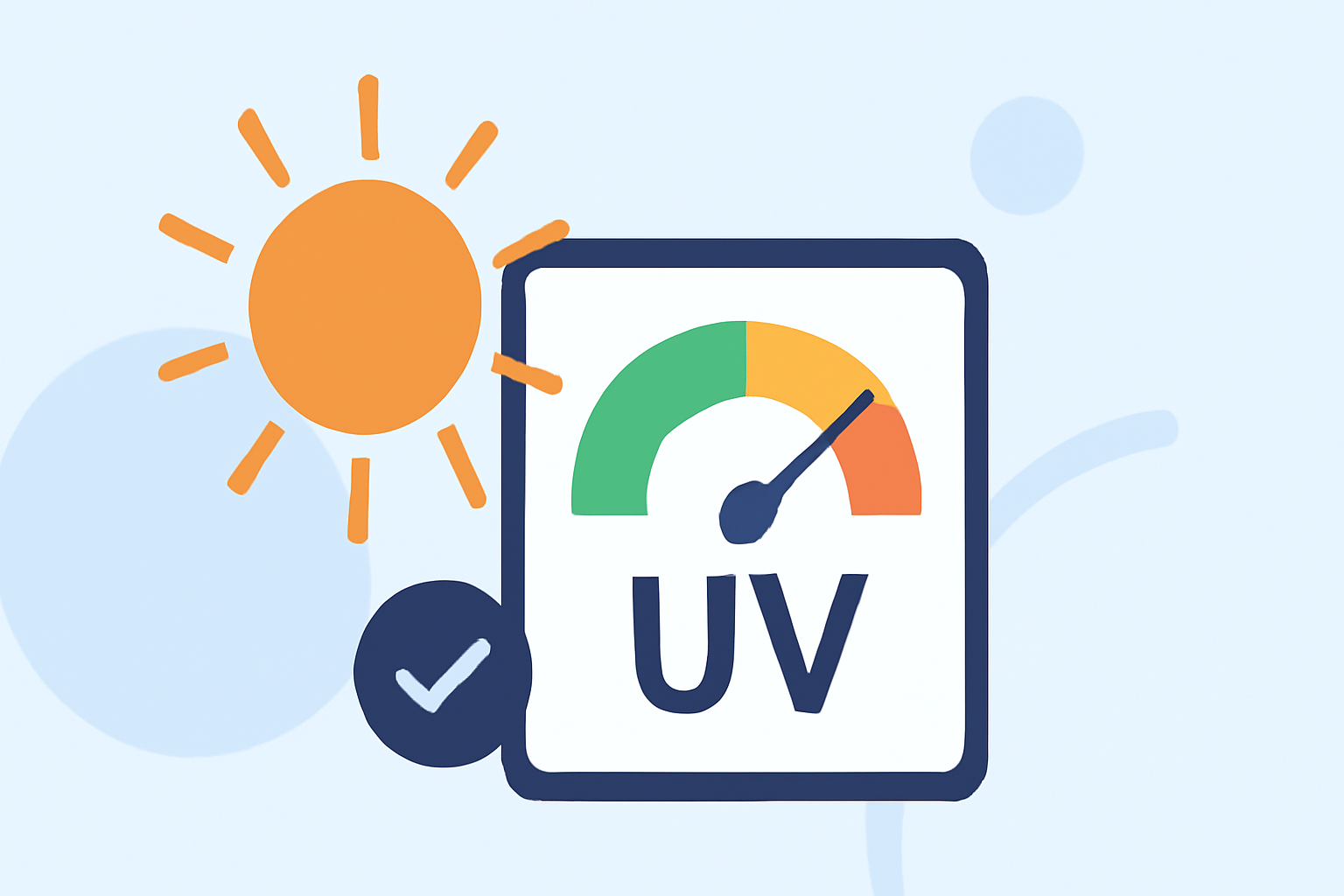
The Ultraviolet (UV) Index is a daily forecast that indicates the strength of ultraviolet radiation from the sun. Understanding this index is crucial for planning outdoor activities and safeguarding your skin and eyes from potential harm.
What Is the UV Index?
The UV Index provides a numerical value that represents the expected risk of overexposure to UV radiation on a scale from 1 (low) to 11+ (extremely high). This scale helps individuals assess the potential for skin damage and take appropriate precautions. (epa.gov)
How Is the UV Index Calculated?
The calculation of the UV Index involves several factors:
-
Ozone Concentration: The amount of ozone in the stratosphere affects the attenuation of UV radiation.
-
Solar Elevation Angle: The position of the sun in the sky influences the intensity of UV radiation reaching the Earth's surface.
-
Cloud Cover: Clouds can absorb or scatter UV rays, reducing their intensity.
-
Altitude: Higher elevations receive more UV radiation due to thinner atmosphere layers.
By integrating these variables, the National Weather Service computes the UV Index for various locations. (epa.gov)
Interpreting the UV Index Scale
The UV Index is categorized into different levels, each associated with specific sun protection recommendations:
-
Low (1-2): Minimal risk. Enjoy outdoor activities with standard precautions.
-
Moderate (3-5): Moderate risk. Take precautions like wearing a hat and using sunscreen.
-
High (6-7): High risk. Protection against sun damage is needed. Seek shade during midday hours.
-
Very High (8-10): Very high risk. Protection against sun damage is needed. If you need to be outside during midday hours between 10 a.m. and 4 p.m., take steps to reduce sun exposure. A shirt, hat, and sunscreen are a must, and be sure you seek shade. (enviro.epa.gov)
-
Extreme (11+): Extreme risk. Protection against sun damage is needed. If you need to be outside during midday hours between 10 a.m. and 4 p.m., take steps to reduce sun exposure. A shirt, hat, and sunscreen are a must, and be sure you seek shade. (enviro.epa.gov)
Sun Safety Tips
Regardless of the UV Index level, it's essential to practice sun safety:
-
Limit Sun Exposure: Especially between 10 a.m. and 4 p.m., when UV radiation is strongest.
-
Seek Shade: Use umbrellas, trees, or other structures to reduce direct sun exposure.
-
Wear Protective Clothing: Opt for long-sleeved shirts, pants, and wide-brimmed hats.
-
Use Sunscreen: Apply a broad-spectrum sunscreen with an SPF of at least 30.
-
Wear Sunglasses: Protect your eyes with sunglasses that block 100% of UVA and UVB rays.
By staying informed about the UV Index and adhering to these safety measures, you can enjoy outdoor activities while minimizing the risks associated with UV radiation.
For more detailed information and daily UV Index forecasts, visit the Environmental Protection Agency's website. (epa.gov)
Highlights:
- UV Index Applications | US EPA, Published on Monday, January 26
- UV Alert | US EPA, Published on Wednesday, January 28
- UV Index Descriptions | Envirofacts | US EPA