
Understanding the UV Index Forecast: A Beginner's Guide
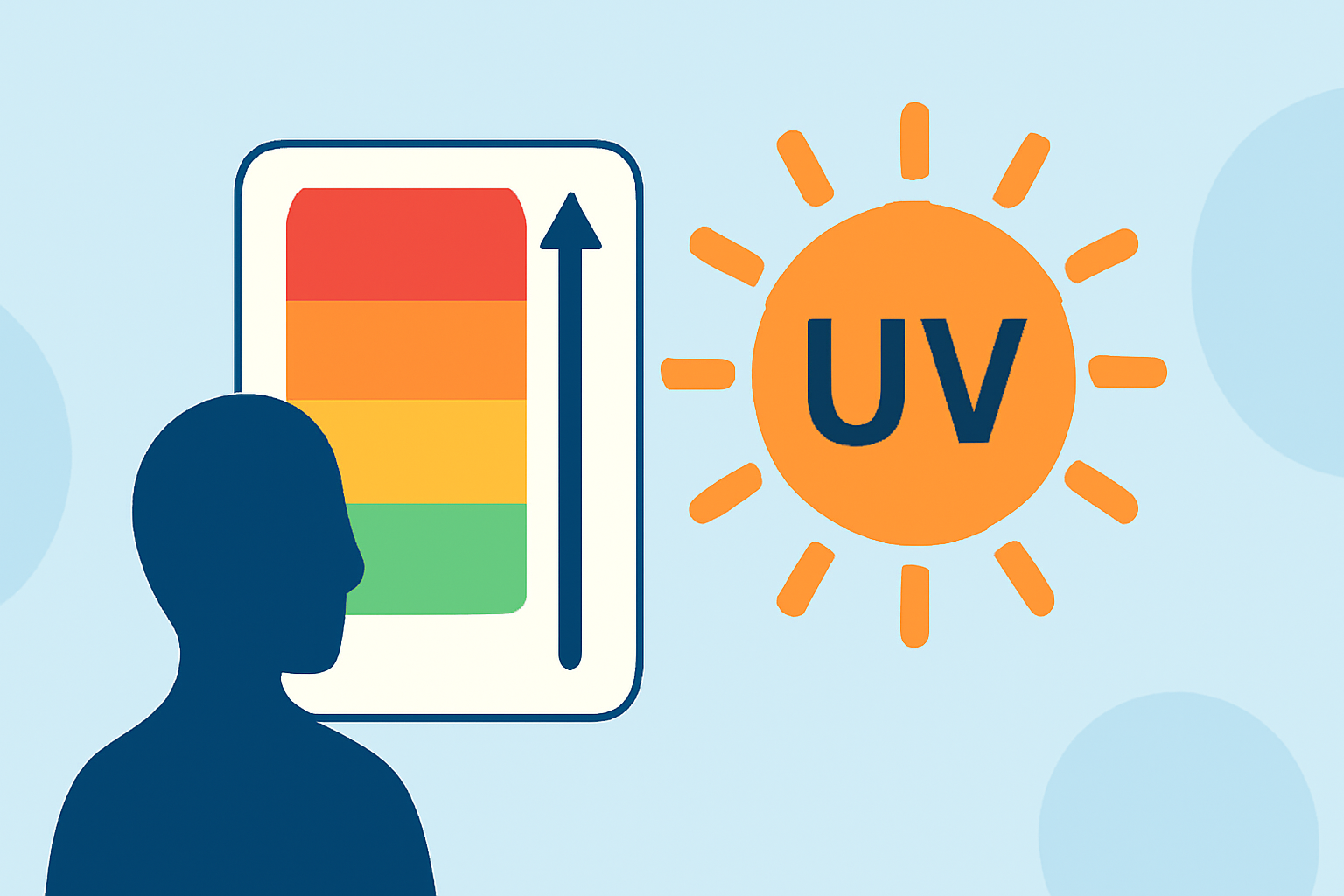
The Ultraviolet (UV) Index is a daily forecast that indicates the strength of ultraviolet radiation from the sun at a specific location and time. Understanding this index is crucial for planning outdoor activities and protecting your skin from potential harm.
What Is the UV Index?
The UV Index provides a numerical value that reflects the expected risk of overexposure to UV radiation. This scale ranges from 0 (low) to 11+ (extremely high), helping individuals gauge the potential for skin damage and take appropriate precautions. (epa.gov)
How Is the UV Index Calculated?
The calculation of the UV Index involves several factors:
-
Ozone Levels: The concentration of ozone in the atmosphere affects the amount of UV radiation reaching the Earth's surface.
-
Time of Day and Year: UV radiation is strongest when the sun is at its highest point, typically around solar noon, and during the summer months.
-
Latitude and Altitude: Locations closer to the equator and at higher elevations experience more intense UV radiation.
-
Cloud Cover: Clouds can absorb or scatter UV radiation, reducing its intensity.
A computer model integrates these variables to forecast the UV Index for a given day. (epa.gov)
Interpreting the UV Index Scale
The UV Index is divided into categories that correspond to the potential risk of harm from unprotected sun exposure:
-
0–2 (Low): Minimal risk.
-
3–5 (Moderate): Moderate risk.
-
6–7 (High): High risk.
-
8–10 (Very High): Very high risk.
-
11+ (Extreme): Extreme risk.
For example, a UV Index of 3–5 suggests that sun protection is advisable, while an index of 8 or higher indicates a need for more stringent protective measures. (webmd.com)
Factors Influencing the UV Index
Several elements can affect the UV Index:
-
Season: UV radiation is typically higher in spring and summer.
-
Time of Day: UV levels peak around solar noon.
-
Latitude: Closer proximity to the equator results in higher UV levels.
-
Altitude: Higher elevations experience more intense UV radiation.
-
Cloud Cover: Clouds can reduce UV exposure, but not entirely.
Understanding these factors can help you anticipate UV levels and plan accordingly. (bom.gov.au)
Protecting Yourself Based on the UV Index
Regardless of the UV Index level, it's essential to take protective measures when spending time outdoors:
-
Use Sunscreen: Apply a broad-spectrum sunscreen with an appropriate SPF rating.
-
Wear Protective Clothing: Opt for hats, sunglasses, and clothing that covers exposed skin.
-
Seek Shade: Whenever possible, stay in shaded areas, especially during peak UV times.
-
Limit Sun Exposure: Avoid prolonged exposure during high UV periods, typically midday.
By staying informed about the UV Index and taking appropriate precautions, you can enjoy outdoor activities while minimizing the risk of skin damage.
For more detailed information, you can refer to the Environmental Protection Agency's guide on the UV Index.
Understanding the UV Index is a vital step in safeguarding your skin and overall health. By staying informed and taking necessary precautions, you can enjoy the outdoors safely.