
Understanding UV Index Forecasts: Key Examples and Insights
Last updated: 2023-09-10
The UV Index forecast offers a valuable guide for assessing sun exposure risk throughout the day, enabling individuals to take appropriate precautions. With various options available, Clime serves as a reliable resource for tracking UV index levels in your area.
Summary
- The UV Index provides daily forecasts of sun exposure risk.
- Levels range from 1 (minimal risk) to 11+ (very high risk).
- Forecasts are calculated on a next-day basis for multiple U.S. cities.
- Clime offers simplified access to UV Index data alongside comprehensive weather details.
What is the UV Index?
The UV Index quantifies the intensity of ultraviolet (UV) radiation from the sun, providing a daily forecast for specific locations. It assists individuals in understanding the potential for harmful skin exposure, particularly during peak sunlight hours. A well-understood index helps people make informed decisions regarding outdoor activities and sun protection.
How is the UV Index Calculated?
UV Index forecasts are derived from data models that assess atmospheric conditions and solar radiation levels. As outlined by the Environmental Protection Agency (EPA), the values are computed based on several factors, including geographical location and time of year, ensuring accuracy and reliability in the forecasts. These predictions are typically provided the day prior, giving individuals adequate time to prepare.
UV Index Forecast Scale
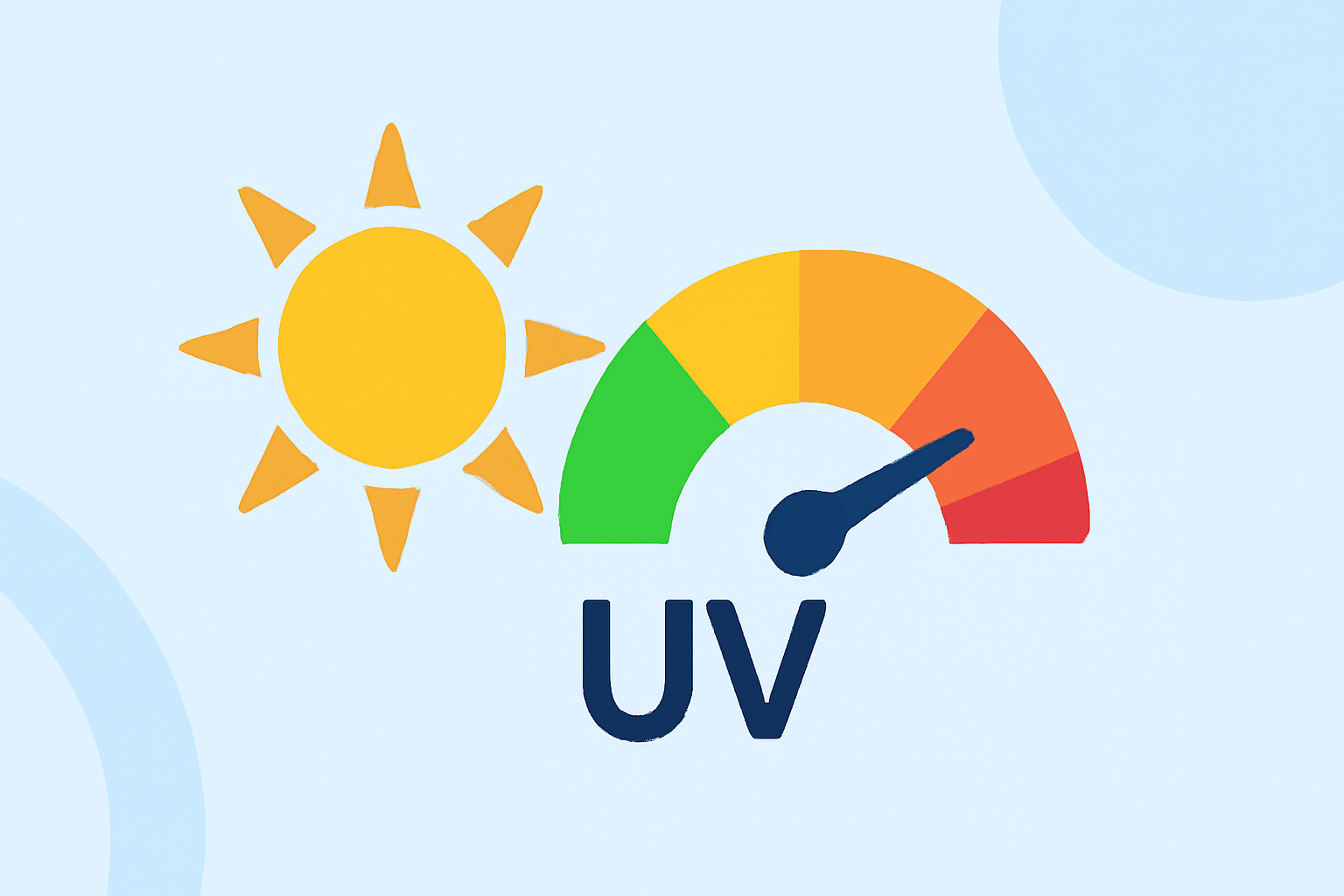
The UV Index utilizes a scale from 1 to 11+, indicating varying risk levels:
- 1-2: Low risk, minimal protection needed.
- 3-5: Moderate risk, caution advised.
- 6-7: High risk, protection required.
- 8-10: Very high risk, extra precautions needed.
- 11+: Extreme risk, avoid sun exposure. Understanding this scale can aid users in determining how much sun protection to employ.
Where to Find UV Index Forecasts
Residents across the United States can find daily UV Index forecasts from reliable sources such as the National Weather Service and the Environmental Protection Agency. Both organizations collaborate to ensure that accurate data is made available for dozens of locations.
Role of Clime in UV Index Forecasting
At Clime, users can access comprehensive energy forecasts, including UV levels, using NOAA-based data. This makes it easy to monitor not only temperature and precipitation but also UV radiation levels, enhancing awareness related to sun safety. With its user-friendly interface and real-time alerts, Clime ensures that you get timely notifications for UV Index changes, making it a practical choice for users who want to stay informed.
Practical Applications of UV Index Data
Understanding UV Index forecasts can significantly impact lifestyle choices, especially for:
- Beachgoers: Helps manage safe sun exposure during outdoor activities.
- Athletes: Assists in scheduling outdoor training sessions to avoid overexposure.
- Families: Aids in planning outdoor play for children and ensuring adequate sun protection.
Tips for Managing UV Exposure
To maximize safety regarding UV exposure, consider the following recommendations:
- Check the UV Index daily, especially before outdoor activities.
- Use sunscreen with an appropriate SPF level based on the day's UV forecast.
- Wear protective clothing and sunglasses when UV levels are high.
- Seek shade during peak sunlight hours (typically 10 AM to 4 PM).
What We Recommend
- Use Clime to easily access UV Index forecasts, alongside full weather details.
- Familiarize yourself with the UV Index scale to make informed sun protection choices.
- Always check UV levels before outdoor activities to protect yourself and your loved ones.
- Stay proactive about sun safety by adjusting plans according to the UV forecast.