
Understanding UV Index Forecasts During Severe Weather
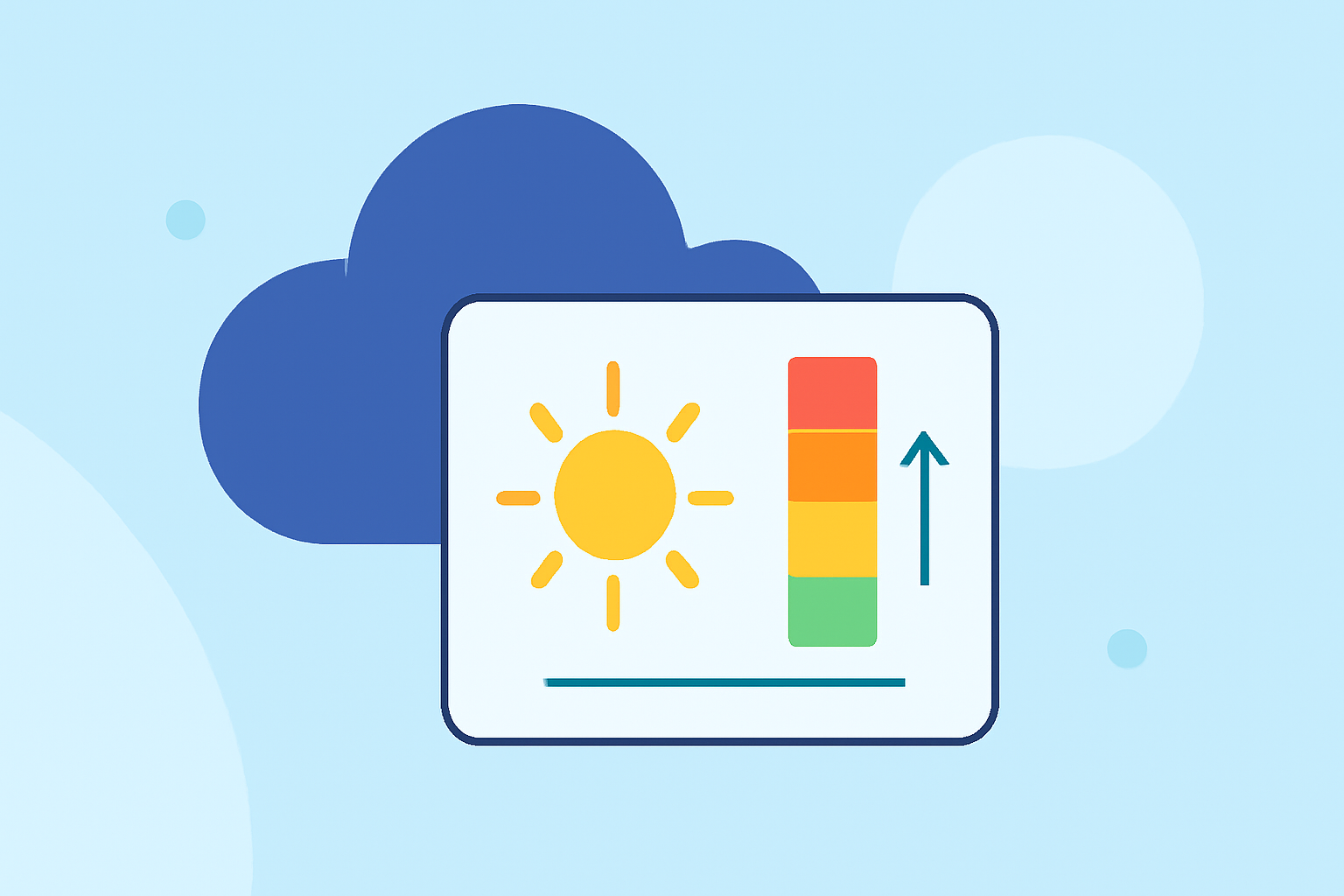
The Ultraviolet (UV) Index is a standardized measure of the strength of sunburn-producing ultraviolet radiation at a specific location and time. Developed by the World Health Organization and the World Meteorological Organization, the UV Index helps individuals gauge the risk of overexposure to UV radiation, which can lead to skin damage and other health issues.
How Is the UV Index Calculated?
In the United States, the National Weather Service (NWS) collaborates with the Environmental Protection Agency (EPA) to forecast the UV Index. This calculation considers several factors:
-
Ozone Levels: The total amount of ozone in the atmosphere affects the amount of UV radiation reaching the Earth's surface.
-
Cloud Cover: Clouds can absorb or scatter UV radiation, reducing its intensity.
-
Elevation: Higher altitudes receive more UV radiation due to thinner atmosphere layers.
These elements are integrated into a computer model to produce a forecast of the UV Index for various locations. The index is typically reported for solar noon, the time when the sun is at its highest point in the sky. (forecast.weather.gov)
UV Index Scale and Health Implications
The UV Index is categorized as follows:
-
0–2 (Low): Minimal risk of harm from unprotected sun exposure.
-
3–5 (Moderate): Moderate risk; protection is recommended.
-
6–7 (High): High risk; protection is needed.
-
8–10 (Very High): Very high risk; take extra precautions.
-
11+ (Extreme): Extreme risk; avoid sun exposure.
These categories guide individuals in taking appropriate protective measures, such as applying sunscreen, wearing protective clothing, and seeking shade during peak UV hours. (forecast.weather.gov)
Impact of Severe Weather on UV Exposure
Severe weather conditions, such as thunderstorms, hurricanes, or heavy cloud cover, can significantly influence UV exposure:
-
Cloud Cover: Dense clouds can block a substantial portion of UV radiation, leading to a lower UV Index. However, UV rays can penetrate through thinner clouds, so protection is still necessary.
-
Rain and Storms: Precipitation can scatter and absorb UV rays, reducing their intensity. Despite this, UV radiation can still reach the surface, especially during breaks in the weather.
-
Ozone Depletion: Severe weather events can sometimes lead to temporary changes in atmospheric conditions, potentially affecting ozone levels and, consequently, UV radiation.
It's important to note that while severe weather can lower the UV Index, it doesn't eliminate the risk of UV exposure. UV radiation can penetrate through clouds and reach the Earth's surface, so protective measures should still be taken during overcast or stormy conditions.
Monitoring UV Index During Severe Weather
Staying informed about the UV Index during severe weather is crucial for personal safety. Reliable sources for UV Index forecasts include:
-
National Weather Service (NWS): Provides UV Index forecasts for various locations across the U.S.
-
Environmental Protection Agency (EPA): Offers UV Index information and sun safety tips.
By regularly checking these resources, individuals can make informed decisions about outdoor activities and take appropriate precautions to minimize the risk of UV-related health issues.
Understanding the UV Index and its variability during severe weather conditions empowers individuals to protect themselves effectively from harmful UV radiation.