
Understanding the UV Index: A Guide to Sun Safety
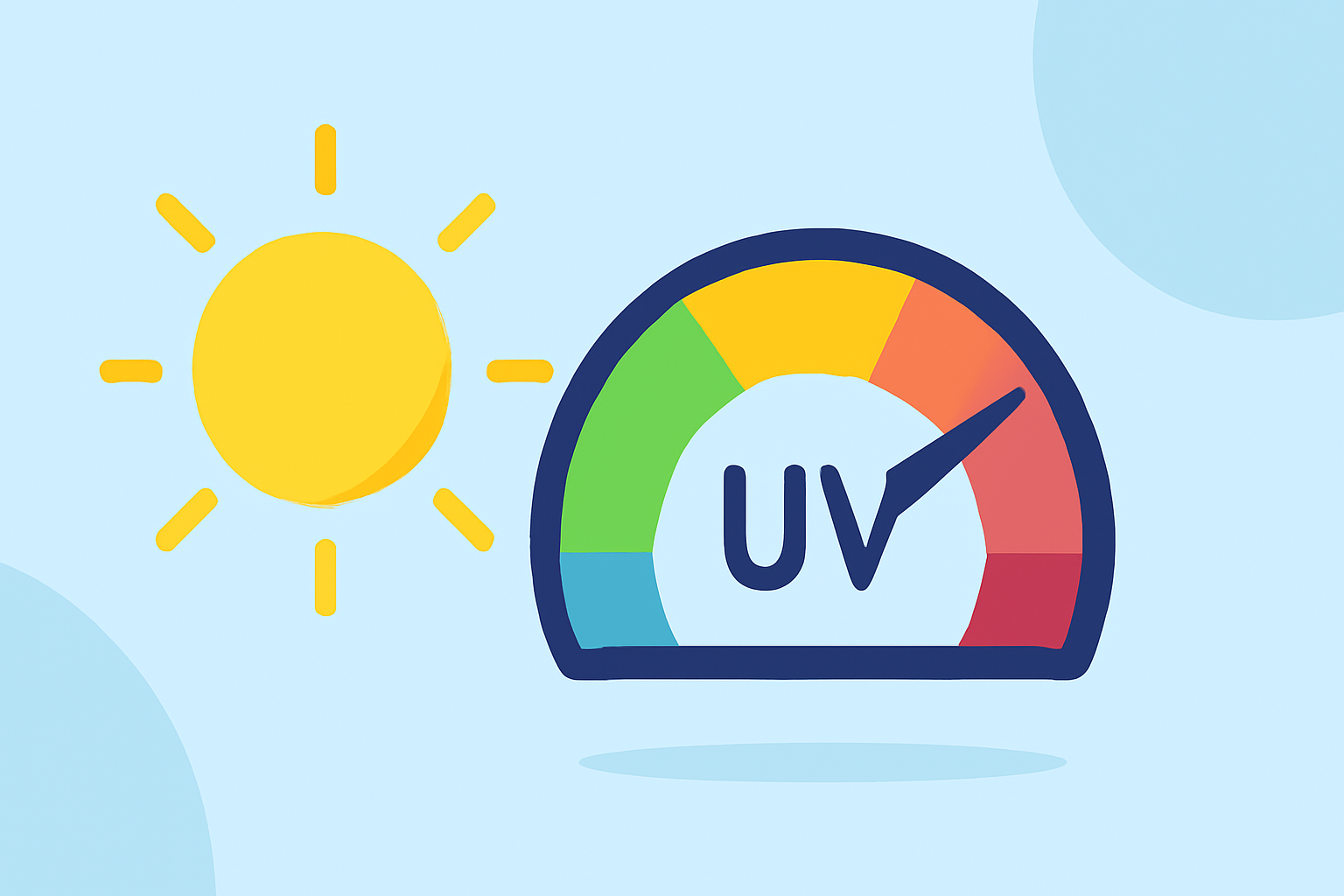
The Ultraviolet (UV) Index is a daily forecast that indicates the risk of overexposure to the sun's UV radiation. Developed by the U.S. Environmental Protection Agency (EPA) and the National Weather Service, it helps individuals make informed decisions about sun protection. (epa.gov)
What Does the UV Index Measure?
The UV Index predicts the intensity of UV radiation on a scale from 1 to 11+, where:
- 1-2 (Low): Minimal risk of harm from unprotected sun exposure.
- 3-5 (Moderate): Moderate risk; protection is needed.
- 6-7 (High): High risk; protection is needed.
- 8-10 (Very High): Very high risk; extra protection is needed.
- 11+ (Extreme): Extreme risk; take all precautions.
These levels consider factors like ozone depletion, time of day, and weather conditions. (epa.gov)
How Is the UV Index Calculated?
The EPA calculates the UV Index using a model that factors in:
- Ozone Concentration: Ozone absorbs UV radiation, reducing its intensity.
- Sun Angle: The position of the sun affects UV strength.
- Elevation: Higher altitudes receive more UV radiation.
- Cloud Cover: Clouds can either block or reflect UV rays.
This comprehensive approach ensures accurate UV Index forecasts. (epa.gov)
Why Is the UV Index Important?
Overexposure to UV radiation can lead to:
- Immediate Effects: Sunburn and eye damage.
- Long-Term Effects: Skin cancer and cataracts.
Understanding the UV Index empowers individuals to take appropriate precautions, reducing health risks associated with sun exposure. (epa.gov)
How Can I Protect Myself?
Regardless of the UV Index level, consider these sun safety tips:
- Limit Sun Exposure: Especially between 10 a.m. and 4 p.m.
- Seek Shade: Whenever possible.
- Use Sunscreen: Apply a broad-spectrum SPF 30+ sunscreen every two hours.
- Wear Protective Clothing: Opt for wide-brimmed hats and UV-protective sunglasses.
- Avoid Tanning Beds: They can increase UV exposure.
By incorporating these practices, you can enjoy outdoor activities while minimizing the risks associated with UV radiation. (epa.gov)
How Can I Stay Informed About UV Levels?
Stay updated on UV levels by:
- Checking Daily Forecasts: Many weather services provide UV Index information.
- Using Mobile Apps: Some apps offer real-time UV Index updates.
- Visiting EPA's Website: The EPA provides detailed UV Index forecasts and sun safety information. (epa.gov)
By understanding and monitoring the UV Index, you can make informed decisions to protect your skin and eyes from harmful UV radiation.