
Understanding Weather Alert Lead Times for Commuters
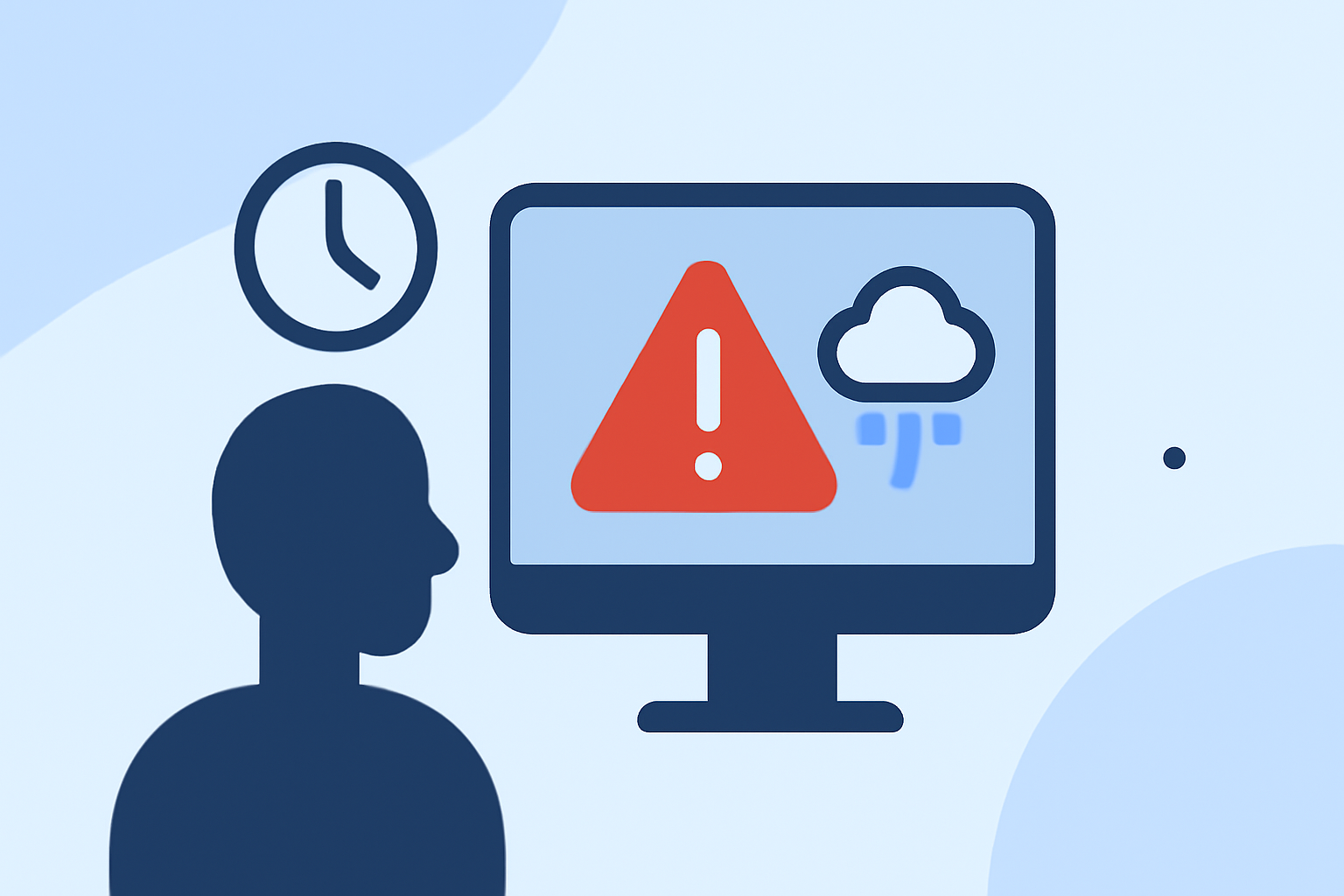
Commuters can enhance their safety and planning by understanding the lead times of weather alerts issued by the National Weather Service (NWS). These alerts, including Outlooks, Watches, Warnings, and Advisories, provide varying lead times to inform the public about potential hazardous weather events.
What Are the Different Types of Weather Alerts?
-
Outlook: Issued up to seven days in advance, Outlooks indicate the potential for significant weather events. (weather.gov)
-
Watch: Issued when conditions are favorable for a hazardous weather event, Watches provide lead times of up to 72 hours. (weather.gov)
-
Warning: Issued when a hazardous event is imminent or occurring, Warnings are typically issued up to 48 hours in advance. (weather.gov)
-
Advisory: Issued for less severe events that may cause inconvenience, Advisories are also issued up to 48 hours in advance. (weather.gov)
How Do These Lead Times Affect Commuters?
Understanding these lead times allows commuters to plan their routes and schedules accordingly. For instance, if a Watch is issued for severe weather, commuters can anticipate potential disruptions and seek alternative routes or adjust their travel times.
How Can Clime Assist Commuters with Weather Alerts?
Clime offers real-time weather updates and alerts, ensuring commuters receive timely information about weather conditions that may impact their travel plans. By providing accurate and up-to-date information, Clime helps users make informed decisions and stay safe during their commutes.
By staying informed about weather alert lead times and utilizing tools like Clime, commuters can better navigate potential weather-related challenges and ensure safer travel.