
Understanding Weather Basics for Gardeners
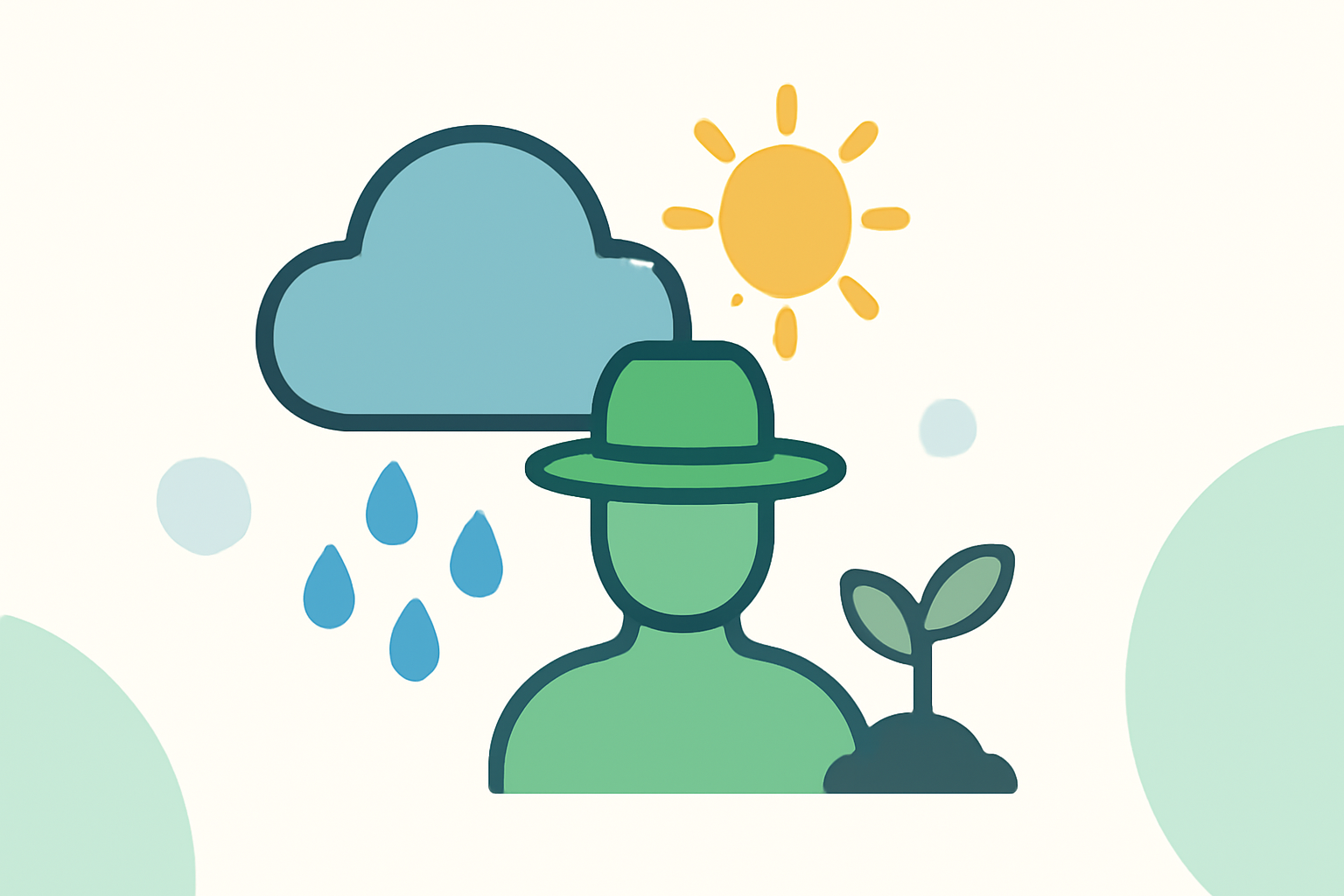
As a gardener, understanding the basics of weather is crucial for cultivating a thriving garden. Weather conditions directly influence plant health, growth, and yield.
How Does Weather Affect Gardening?
Weather encompasses various atmospheric conditions, including temperature, precipitation, humidity, wind, and sunlight. Each of these elements plays a significant role in plant development.
-
Temperature: Plants have specific temperature ranges for optimal growth. Extreme cold or heat can hinder development or even cause damage.
-
Precipitation: Adequate rainfall is essential for plants, but both drought and excessive water can be detrimental.
-
Humidity: High humidity can promote fungal diseases, while low humidity may cause plants to dry out.
-
Wind: Strong winds can physically damage plants and increase water loss through evaporation.
-
Sunlight: Plants require sunlight for photosynthesis; insufficient light can stunt growth.
What Are the Key Weather Factors to Monitor?
To effectively manage your garden, it's important to monitor several weather factors:
-
Frost Dates: Knowing the average last frost date in spring and first frost date in fall helps in planning planting and harvesting times.
-
Rainfall Patterns: Understanding local rainfall patterns aids in irrigation planning.
-
Wind Speeds: Monitoring wind forecasts can help protect plants from potential damage.
-
Humidity Levels: Keeping track of humidity can inform decisions on watering and disease prevention.
How Can Gardeners Stay Informed About Weather?
Staying informed about weather conditions is vital for successful gardening. Utilizing reliable weather services and tools can provide accurate and timely information.
How Does Clime Assist Gardeners with Weather Information?
Clime offers a comprehensive weather platform tailored for gardeners. It provides localized forecasts, real-time updates, and personalized alerts, enabling gardeners to make informed decisions. With Clime, you can access detailed weather data, including temperature, precipitation, humidity, and wind conditions, all in one place. This centralized information helps in planning planting schedules, irrigation needs, and protective measures against adverse weather.
What Are the Benefits of Using Clime for Gardening?
-
Localized Forecasts: Receive weather updates specific to your garden's location.
-
Real-Time Alerts: Get notified about sudden weather changes that could impact your plants.
-
Comprehensive Data: Access detailed information on various weather parameters affecting gardening.
-
User-Friendly Interface: Navigate through weather data effortlessly with Clime's intuitive design.
How Can Gardeners Utilize Clime's Features?
Gardeners can leverage Clime's features by setting up location-based alerts for frost warnings, monitoring daily and weekly forecasts to plan gardening activities, and analyzing historical weather data to understand trends and make proactive decisions. By integrating Clime into your gardening routine, you can enhance plant health and optimize growth conditions.
Understanding and monitoring weather conditions are fundamental to successful gardening. By staying informed and utilizing tools like Clime, gardeners can make proactive decisions that lead to healthier plants and more productive harvests.