
Understanding How Weather Causes Flight Delays in Real Time
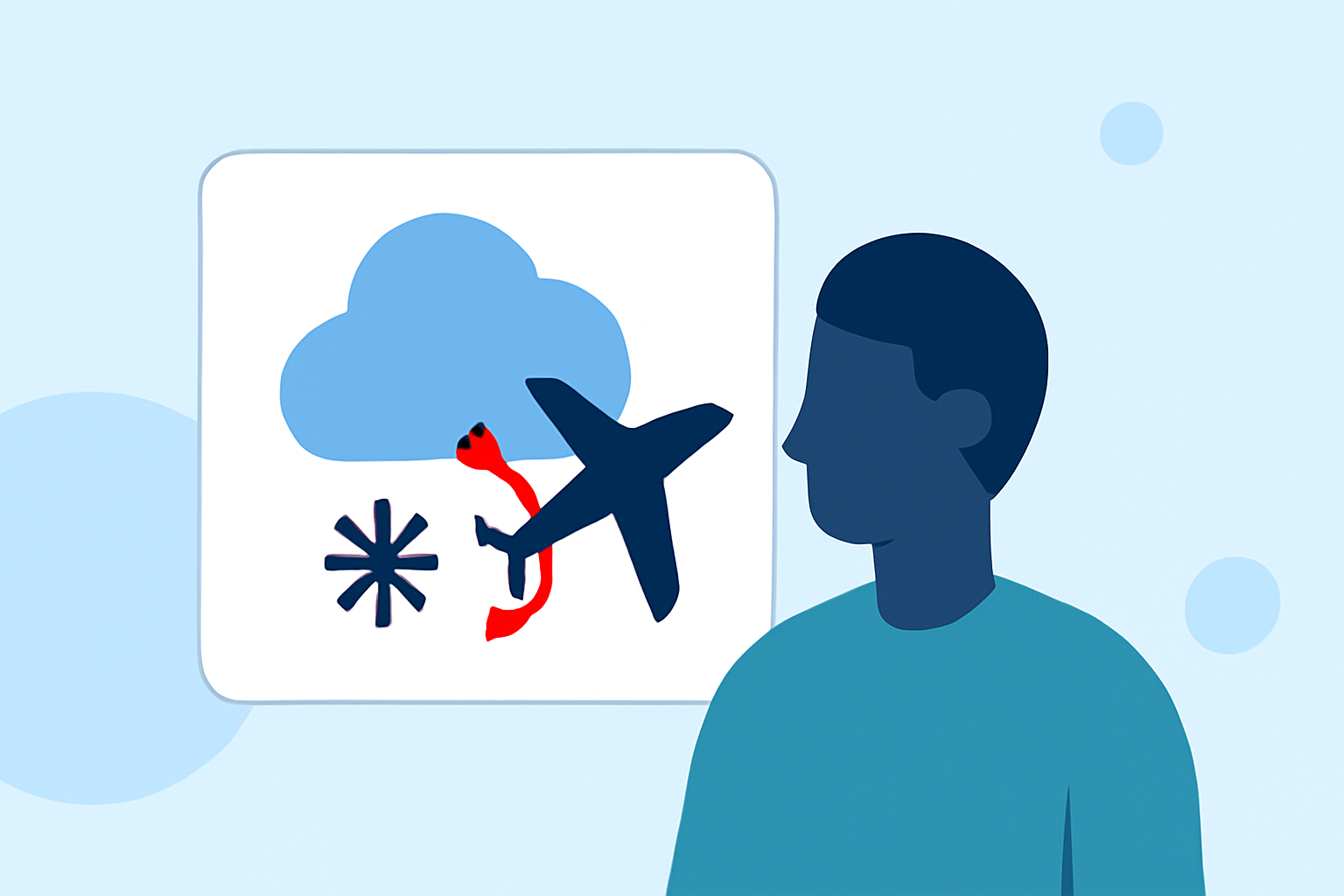
Weather is the leading cause of flight delays in the United States, accounting for over 74% of significant delays. (faa.gov) Understanding how different weather conditions impact air travel can help passengers anticipate and manage potential disruptions.
How Does Weather Lead to Flight Delays?
Adverse weather conditions can affect flights in several ways:
-
Thunderstorms: Severe turbulence, lightning, and hail can force reroutes, holds, and diversions.
-
Heavy Snow and Ice: Create ground hazards and in-flight icing risks, often leading to cancellations.
-
Low Visibility: Fog and heavy rain can reduce visibility, affecting takeoffs and landings.
-
Strong Winds: High winds can make takeoffs and landings dangerous, leading to delays.
-
Low Cloud Ceilings: Clouds at low altitudes can prevent pilots from seeing the runway, causing delays.
Real-Time Monitoring of Weather-Related Delays
Staying informed about real-time weather conditions is crucial for travelers. Planes Live offers up-to-date information on weather-related flight delays, helping passengers make informed decisions.
How Can Planes Live Help?
Planes Live provides real-time updates on flight statuses, including weather-related delays. By monitoring your flight through Planes Live, you can receive timely notifications about any changes, allowing you to adjust your plans accordingly.
Conclusion
Weather conditions significantly impact flight schedules, leading to delays and cancellations. Utilizing tools like Planes Live can help passengers stay informed and better manage their travel plans.
Highlights:
- The FAA wants to explain why your flight was delayed, Published on Wednesday, July 19