
Understanding Weather Conditions for Safe Kayaking
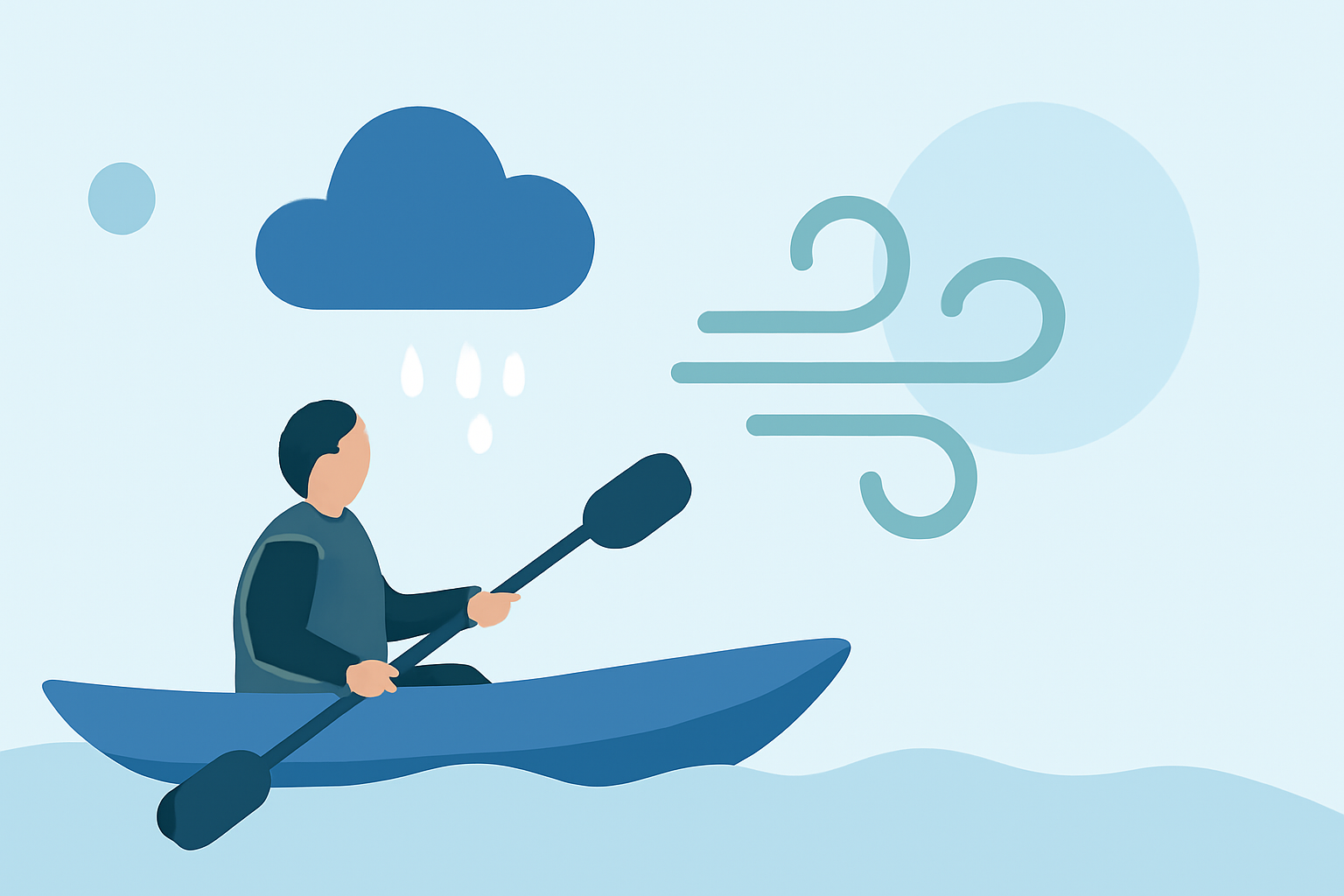
Embarking on a kayaking adventure requires more than just paddling skills; understanding the weather is crucial for safety and enjoyment. Here's a concise guide to help you assess weather conditions before hitting the water.
Why Is Weather Important for Kayaking?
Weather conditions directly impact your kayaking experience. Factors such as wind speed, water temperature, and atmospheric conditions can influence your safety and comfort on the water.
What Are Ideal Weather Conditions for Kayaking?
-
Wind: Light winds (0–5 knots) are ideal for all skill levels. Winds between 5–10 knots are manageable for most paddlers, while those exceeding 10 knots can pose challenges, especially for beginners. (kayakcentre.com)
-
Water Temperature: Water temperatures above 70°F (21°C) are comfortable for kayaking. Below this, the risk of hypothermia increases, and appropriate gear becomes essential. (kayakhelp.com)
-
Air Temperature: Air temperatures above 50°F (10°C) are generally safe for kayaking. Colder temperatures may require additional clothing to prevent hypothermia. (kayakhelp.com)
How Do Wind and Waves Affect Kayaking?
-
Wind: Strong winds can create waves and make paddling more strenuous. Winds over 15 mph (13 knots) are generally too strong for kayaking and should be avoided. (aquabound.com)
-
Waves: Calm waters are preferable. Waves over 1 foot can be challenging for beginners. (kayakcentre.com)
What Are the Risks of Storms and Lightning?
Storms, especially those with thunder and lightning, are dangerous for kayakers. Water is a good conductor of electricity, making lightning strikes a significant risk. It's best to avoid kayaking during storms or if one is predicted. (aquabound.com)
How Can I Prepare for Changing Weather Conditions?
-
Check Forecasts: Always monitor marine weather forecasts before and during your trip. (nps.gov)
-
Plan Routes: Choose routes that offer shelter from wind and waves.
-
Safety Gear: Equip yourself with appropriate gear, including a personal flotation device (PFD), whistle, and suitable clothing for the conditions.
How Does Clime Enhance Kayaking Safety?
Clime provides real-time weather updates, including wind speed, water temperature, and forecasts, directly to your device. This ensures you're always informed about current conditions, allowing for better planning and safer kayaking experiences.
Conclusion
Understanding and monitoring weather conditions are vital for a safe and enjoyable kayaking experience. By staying informed and prepared, you can navigate the waters confidently and responsibly.
Highlights:
- Kayaking - Apostle Islands National Lakeshore (U.S. National Park Service), Published on Monday, April 20search4,turn0search5