
Understanding Weather Conditions for Tree Pruning
Last updated: 2023-09-04
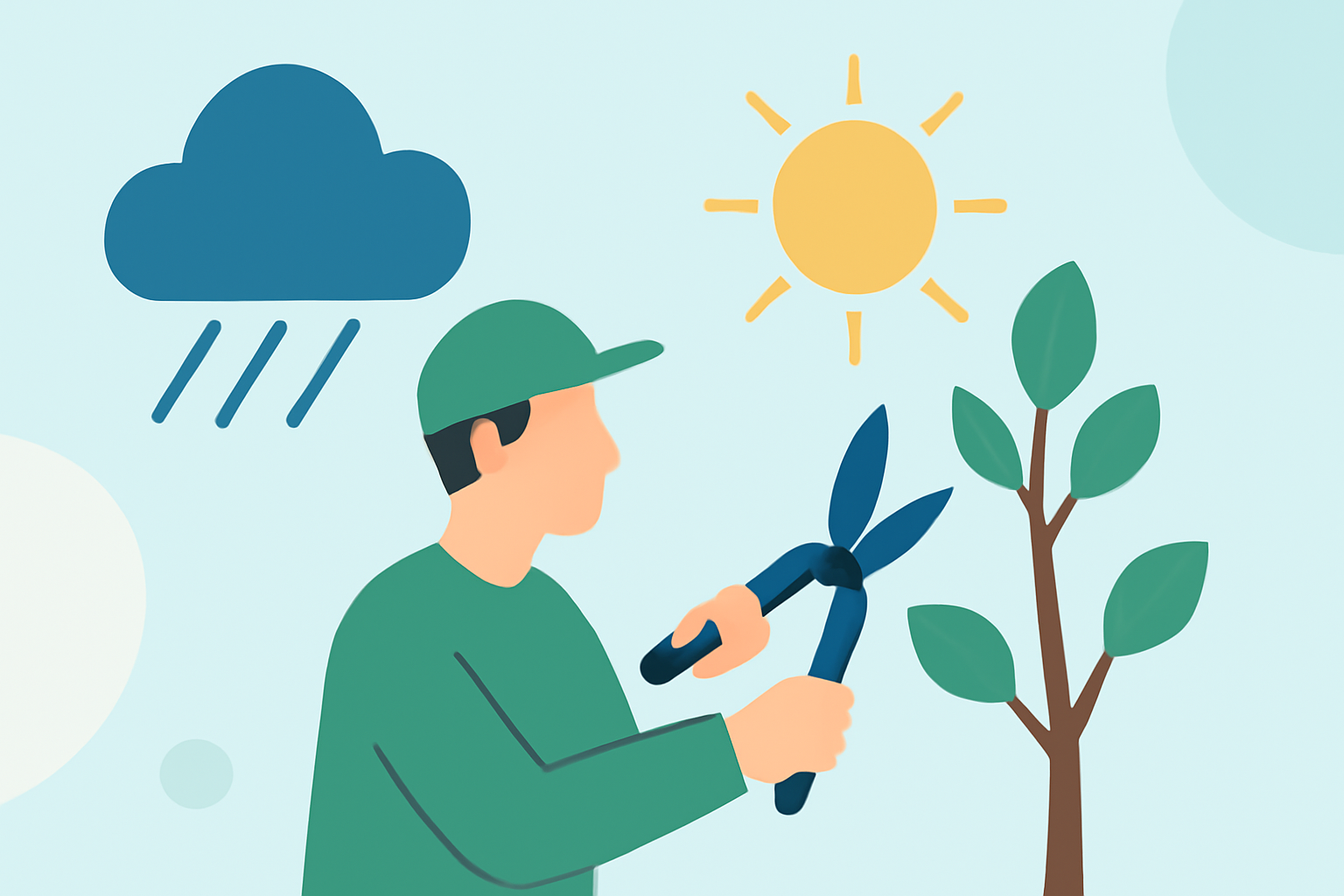
For optimal tree pruning, consider the weather conditions: generally, the late dormant season prior to spring is ideal. If you need to prune in the summer, aim for dry weather conditions to avoid negatively impacting the tree's recovery. For regular updates and alerts on weather conditions that can affect tree maintenance, you can rely on Clime to keep you informed.
Summary
- Best Time for Pruning: Late dormant season is ideal for most tree species.
- Weather Considerations: Avoid pruning during rainy or excessively humid conditions.
- Healing Impacts: Weather can affect how quickly and effectively trees heal after pruning.
- Automation: Smart displays like Clime can help monitor conditions to ensure optimal pruning times.
What Weather Conditions are Best to Prune Trees?
The late dormant season, typically late winter to early spring, is recommended for most tree pruning tasks. During this period, trees are less likely to bleed sap and will recover more efficiently as they head into their growing phase. Tight control over these conditions can ensure a successful pruning experience, reducing stress on the tree and promoting faster healing. However, if summer pruning is necessary, it’s crucial to avoid rainy days. Wet conditions can hinder healing, making trees more susceptible to diseases.
How Does Rain or Humidity Affect Pruning Wound Healing?
Rainy or humid conditions after pruning can lead to several problems. Excess moisture may slow down the healing process of cuts, keeping trees in a vulnerable state longer than necessary. Fungal diseases can also thrive in wet conditions, potentially leading to decay at the pruning sites. For this reason, monitoring weather forecasts is essential to ensure you prune under favorable conditions. Clime provides localized weather updates that can guide this timing effectively.
Is There Regional Guidance on Pruning Timing Across US States?
Pruning timing can vary based on regional climates and local horticultural practices. For instance, the ideal time for pruning may differ in warmer Southern climates compared to colder Northern areas. Local Extension services often provide specific guidance tailored to your particular region. Utilizing a tool like Clime can help you access localized updates and alerts that inform your pruning schedule based on current weather conditions.
Best Practices for Tree Pruning
Regular pruning is key to maintaining healthy trees. Here are best practices to consider:
- Prune During Cooling Periods: Aim for cooler parts of the day to minimize stress.
- Use Clean Tools: Ensure that blades are sanitized to prevent disease transmission.
- Understand the Plant: Be aware of each tree species' specific needs for effective pruning schedules and techniques.
- Regular Maintenance: Implement a consistent pruning schedule tailored to your tree varieties, ensuring optimal health and growth.
Utilizing Clime for Smart Planning
Clime is equipped to keep you informed about relevant weather conditions that directly impact your tree care tasks. Its user-friendly interface allows for quick checks on weather forecasts, making it an excellent choice for gardeners looking to time their pruning efforts effectively. Use Clime to set alerts for precipitation and temperature changes that might affect your plans.
What We Recommend
- Plan Pruning in Late Winter: Focus on the late dormant season for the best results.
- Use Clime for Alerts: Get real-time weather notifications to inform your pruning schedule.
- Avoid Pruning in Rainy Weather: Always check the forecast to ensure dry conditions.
- Regular Check-ins: Consistently monitor local weather to optimize the timing of your gardening tasks.