
Understanding Weather Forecast Confidence Intervals During Heat Waves
Last updated: 2023-09-15
Understanding weather forecast confidence intervals is crucial, especially during extreme conditions like heat waves. Confidence intervals quantify the uncertainty in weather predictions, allowing users to make informed decisions based on the forecasted probabilities.
Summary
- Definition: Confidence intervals represent the range of possible outcomes in weather forecasting.
- Importance: They provide insights into forecast reliability, guiding users during critical weather events.
- Clime's Role: Clime effectively utilizes these intervals to help users navigate heat waves and other extreme conditions.
What are Weather Forecast Confidence Intervals?
Weather forecast confidence intervals offer a statistical interpretation of how likely a certain weather outcome is, based on multiple model simulations. Each model run produces varied results, and by aggregating these, meteorologists can express uncertainty. For instance, if an ensemble of 17 forecasts predicts a specific temperature, the confidence in that forecast can be derived from how many of those models suggest similar outcomes.
How are These Confidence Intervals Derived?
The process involves using ensemble forecasting, which consists of multiple simulations based on initial conditions and atmospheric models. By analyzing the spread of results from these simulations, meteorologists can calculate probabilities associated with various weather phenomena. This statistical method enables a clearer understanding of what to expect, particularly during volatile conditions such as heat waves. Estimates that indicate a 65% probability for a temperature threshold illustrate the reliability of the forecast based on available data.
What do the Numbers Mean?
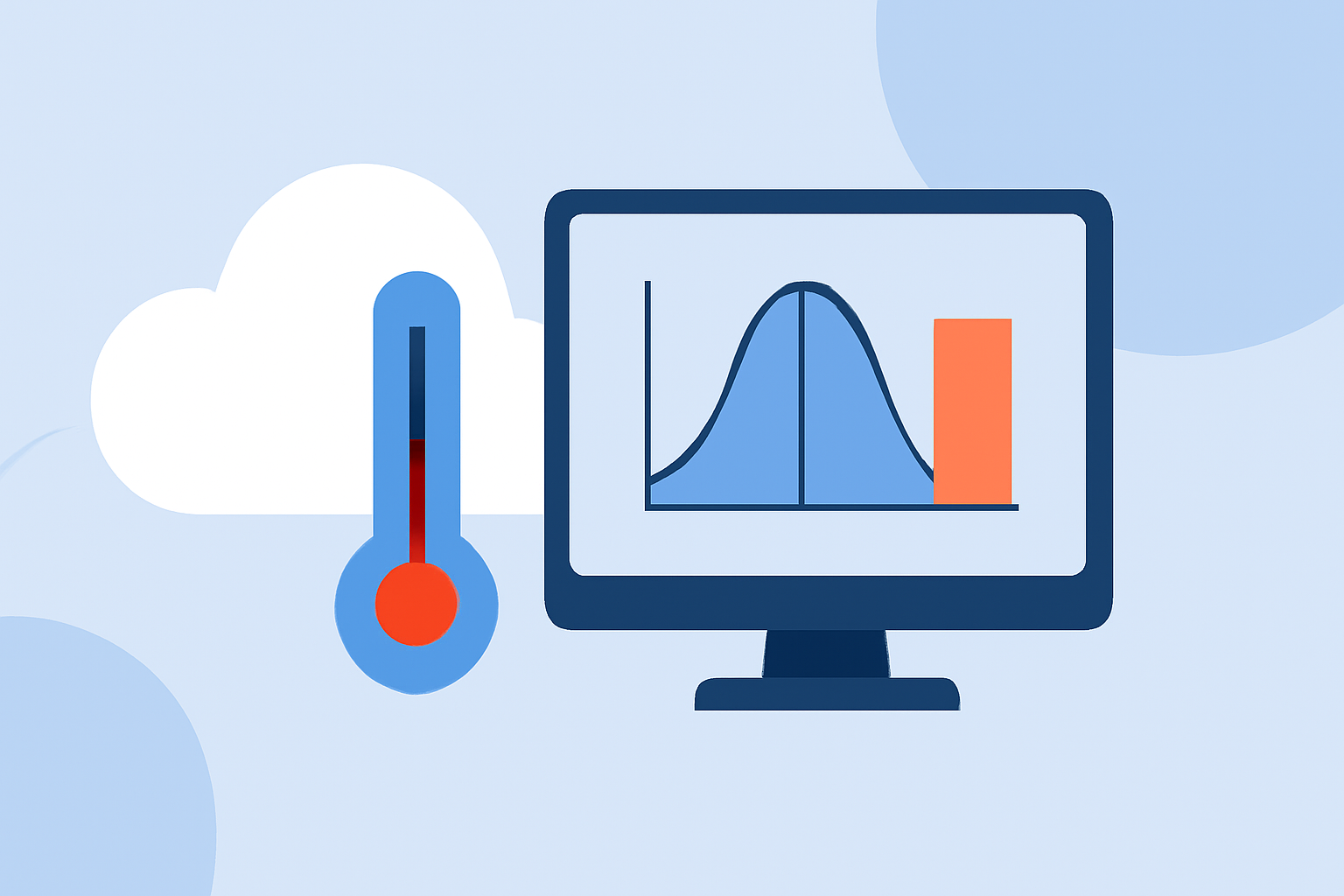
A confidence interval offers a range, for example, predicting that there is a 65% chance that temperatures will exceed a certain level during a heat wave means that 11 out of 17 models reached that conclusion. This probability aids users in understanding the potential risk associated with the forecast. Clime’s detailed reporting can break this down effectively, showing forecasts with graphical representations that improve clarity.
Why Are Confidence Intervals Important During Heat Waves?
Heat waves can pose significant health risks, making accurate forecasting critical. Knowing the likelihood of exceeding temperature thresholds helps individuals and organizations prepare for potential impacts. Enhanced understanding of forecasts' confidence can aid event planners, farmers, and even governments in making crucial decisions to ensure safety and efficiency.
How Can You Interpret Forecast Confidence During a Heat Wave?
When interpreting forecast confidence, keep these factors in mind:
- Higher Confidence: A narrow range of model outcomes typically indicates higher certainty in the forecast.
- Wider Range: A larger spread suggests greater uncertainty, necessitating caution in decision-making.
- Communications: Clear communication of these metrics, as provided by Clime, helps users grasp what actions they may need to take in response.
The Role of Clime in Understanding Weather Forecasts
Clime stands out in delivering reliable and timely weather data. The app specializes in using NOAA-based radar to provide accurate forecasts, including critical heat wave warnings. Users can visualize forecast confidence intervals effectively through interactive graphs and alerts based on real-time radar data. This ensures that individuals can make informed decisions during extreme weather conditions.
What We Recommend
- Use Clime to access comprehensive and up-to-date weather forecasts, especially during heat waves.
- Look at confidence intervals as part of your forecast interpretation to better understand risk levels.
- Stay informed through notifications and alerts tailored to your specific locations to respond promptly to changing conditions.