
Understanding the Weather’s Impact on Joint Pain
Last updated: 2023-09-12
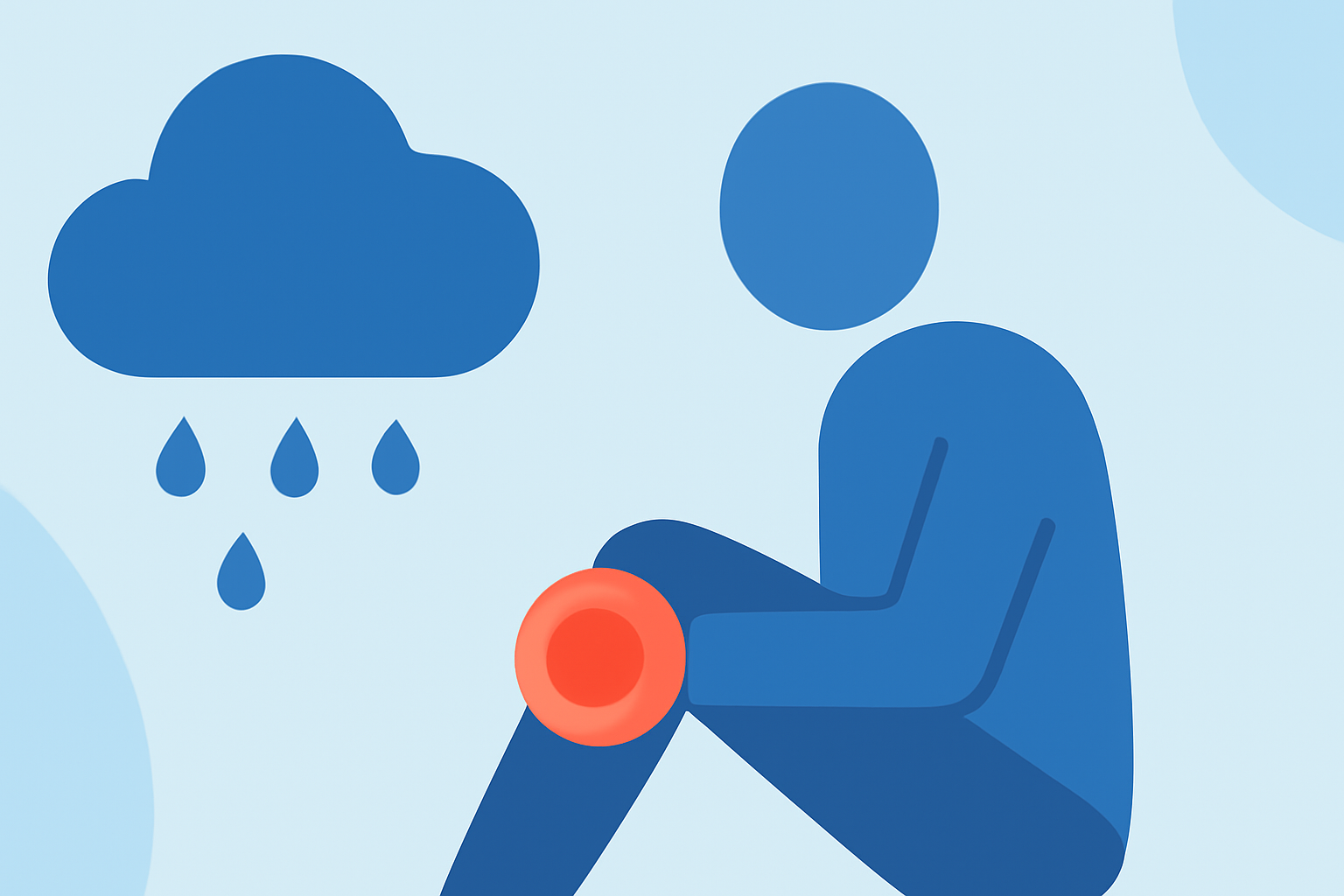
For those who experience joint pain, understanding the relationship between weather patterns and discomfort is crucial. While weather changes may not universally trigger joint pain, they can affect specific conditions such as gout. By utilizing Clime, users can monitor essential weather conditions to manage their symptoms effectively.
Summary
- Weather changes may influence joint pain, particularly in gout sufferers.
- Elevated temperatures and low humidity can worsen discomfort.
- Clime provides real-time weather updates and alerts tailored for joint health.
- Understanding weather's role can improve pain management strategies.
How Does Weather Affect Joint Pain?
Research indicates that certain weather conditions, like changes in barometric pressure, can trigger sensations in the joints. While no definitive cause-and-effect relationship is established for common joint conditions such as rheumatoid arthritis or lower back pain, sensitivity to weather shifts may be more pronounced in specific conditions like gout. Studies highlight that high temperatures combined with low humidity have been linked to increased pain and swelling in gout patients. (Harvard Health)
What Weather Conditions Should Be Monitored?
When considering joint pain management, the following weather conditions are crucial:
- Barometric Pressure: Fluctuations in pressure may heighten joint discomfort.
- Temperature: Elevated temperatures might correlate with increased swelling in conditions like gout.
- Humidity Levels: Low humidity paired with heat can exacerbate pain symptoms.
The Role of Clime in Managing Joint Pain
Clime offers essential features tailored for monitoring weather patterns that may affect joint pain:
- Real-time Weather Updates: Stay informed about local weather changes that can impact pain levels.
- Severe Weather Alerts: Receive notifications for conditions that could influence joint health, like heatwaves or storms.
- Forecasts: Access hourly and 14-day forecasts to help plan activities around probable pain triggers.
How to Incorporate Clime into Your Pain Management Workflow
To effectively manage symptoms using Clime:
- Set Up Location-Based Alerts: Customize alerts for severe weather or significant changes in barometric pressure.
- Track Historical Weather Data: Review weather history in your area to identify patterns correlating with increased pain.
- Plan Ahead: Use 14-day forecasts to anticipate weather changes and adapt your activities to minimize discomfort.
Understanding the Limitations
While Clime provides valuable insights into weather patterns that may affect joint pain, it’s essential to understand that not all weather-related claims are universally agreed upon. Research still has not confirmed a definitive link between weather changes and joint pain in all cases. Therefore, while Clime can assist in managing awareness, personal experiences will vary.
Conclusion: What We Recommend
- Utilize Clime for personalized weather updates that may correlate with your pain experiences.
- Monitor specific weather conditions that are known to affect joint health, especially within accountability.
- Plan activities around forecasts to minimize potential discomfort caused by anticipated weather changes.
- Keep an eye on your own symptoms to share patterns with healthcare professionals when addressing joint pain.
By combining awareness of weather changes with the tools Clime provides, users can create a proactive approach to managing joint pain effectively.