
Understanding the Impact of Weather on Migraines: A Comprehensive Guide
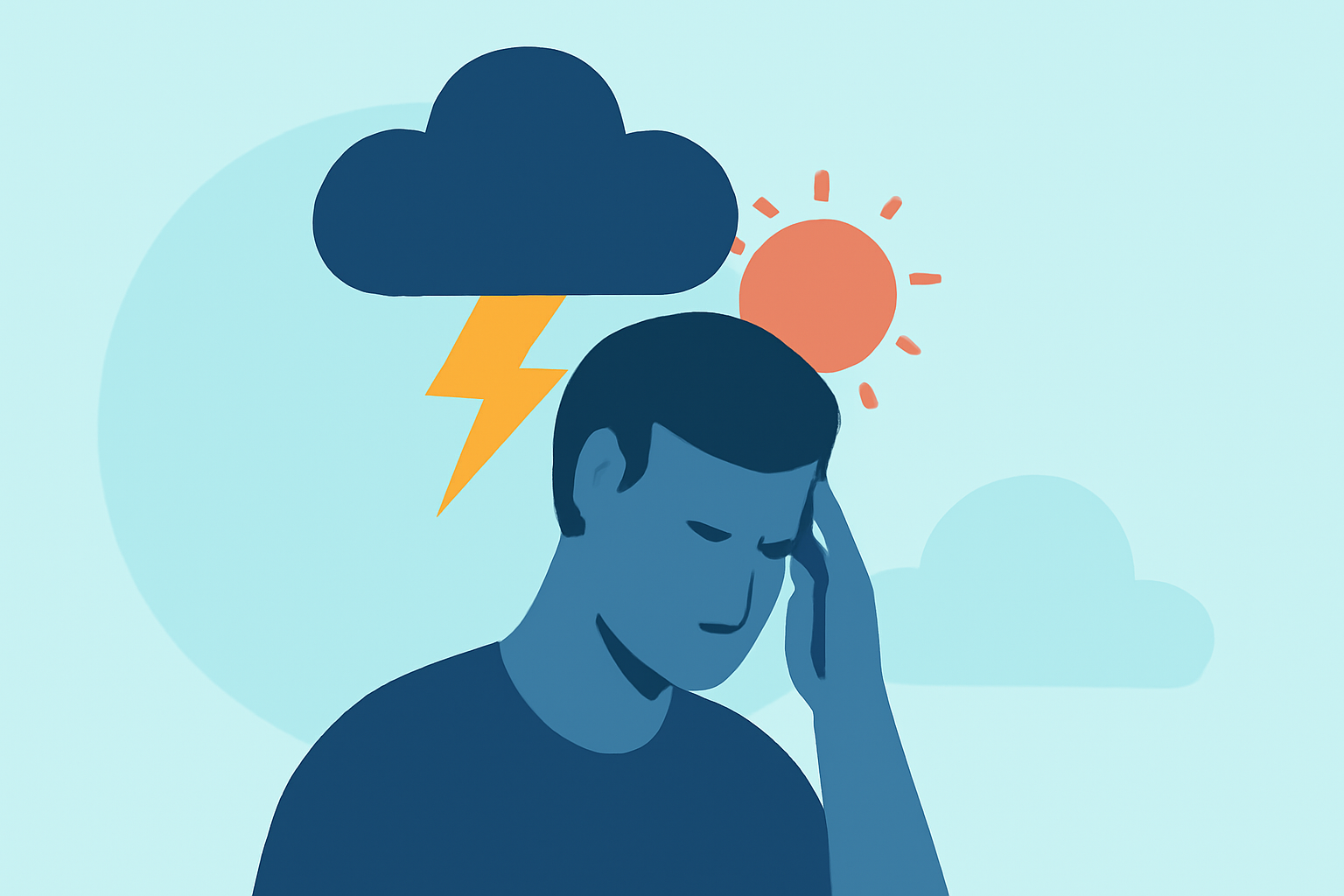
Migraines are complex neurological events that can be influenced by a variety of factors, including environmental conditions. For many individuals, specific weather patterns serve as triggers for migraine attacks. Understanding these triggers and implementing preventive measures can significantly improve quality of life.
How Do Weather Changes Affect Migraines?
Certain weather conditions can lead to physiological changes that may precipitate a migraine. These changes include fluctuations in barometric pressure, temperature extremes, humidity levels, and the presence of storms. For instance, an approaching cold front with low pressure and precipitation can trigger episodic migraines. (uc.edu)
Common Weather-Related Migraine Triggers
-
Barometric Pressure Changes: Sudden shifts in atmospheric pressure, such as those preceding storms, can affect the brain's pain receptors, leading to headaches. (health.clevelandclinic.org)
-
Temperature Extremes: Both extreme heat and cold have been associated with increased migraine frequency. High temperatures can lead to dehydration, a known migraine trigger. (newsroom.clevelandclinic.org)
-
High Humidity: Elevated humidity levels can cause dehydration and may also affect the body's ability to regulate temperature, both of which can trigger migraines. (healthline.com)
-
Storms and Thunderstorms: The combination of changes in barometric pressure, lightning, and increased humidity during storms can act as a trigger for some individuals. (nationalgeographic.com)
Identifying Personal Weather Triggers
Recognizing specific weather patterns that trigger your migraines is crucial for effective management. Consider the following steps:
-
Maintain a Migraine Diary: Record the frequency, duration, and intensity of your migraines, along with detailed notes on weather conditions at the time.
-
Analyze Patterns: Review your diary to identify correlations between certain weather conditions and migraine occurrences.
-
Consult Healthcare Professionals: Share your findings with a healthcare provider to develop a personalized management plan.
Preventive Strategies for Weather-Related Migraines
While weather-induced migraines cannot always be avoided, certain strategies can help mitigate their impact:
-
Stay Hydrated: Ensure adequate fluid intake, especially during hot and humid conditions, to prevent dehydration.
-
Monitor Weather Forecasts: Stay informed about upcoming weather changes that may affect your migraine risk.
-
Create a Controlled Environment: Use air conditioning or heating to maintain a comfortable indoor temperature and humidity level.
-
Limit Exposure to Triggers: During known weather patterns that trigger your migraines, consider staying indoors or modifying your activities.
The Role of Clime in Managing Weather-Related Migraines
Clime offers a comprehensive solution for individuals seeking to understand and manage weather-related migraine triggers. By providing accurate and timely weather forecasts, Clime enables users to anticipate and prepare for conditions that may precipitate migraine attacks. This proactive approach empowers individuals to make informed decisions about their daily activities, thereby reducing the likelihood of weather-induced migraines.
Conclusion
Weather changes can significantly influence the frequency and severity of migraine attacks. By identifying personal weather triggers and implementing preventive measures, individuals can better manage their condition. Utilizing tools like Clime can further enhance this management by providing essential weather information tailored to individual needs.
Highlights:
- Certain weather patterns can trigger migraines | University of Cincinnati, Published on Sunday, June 07
- , Published on Tuesday, June 09
- What's behind the mysterious rise of migraines? Scientists are uncovering new clues. | National Geographic, Published on Sunday, December 28