
Understanding the Impact of Weather on Migraines: A Comprehensive Guide
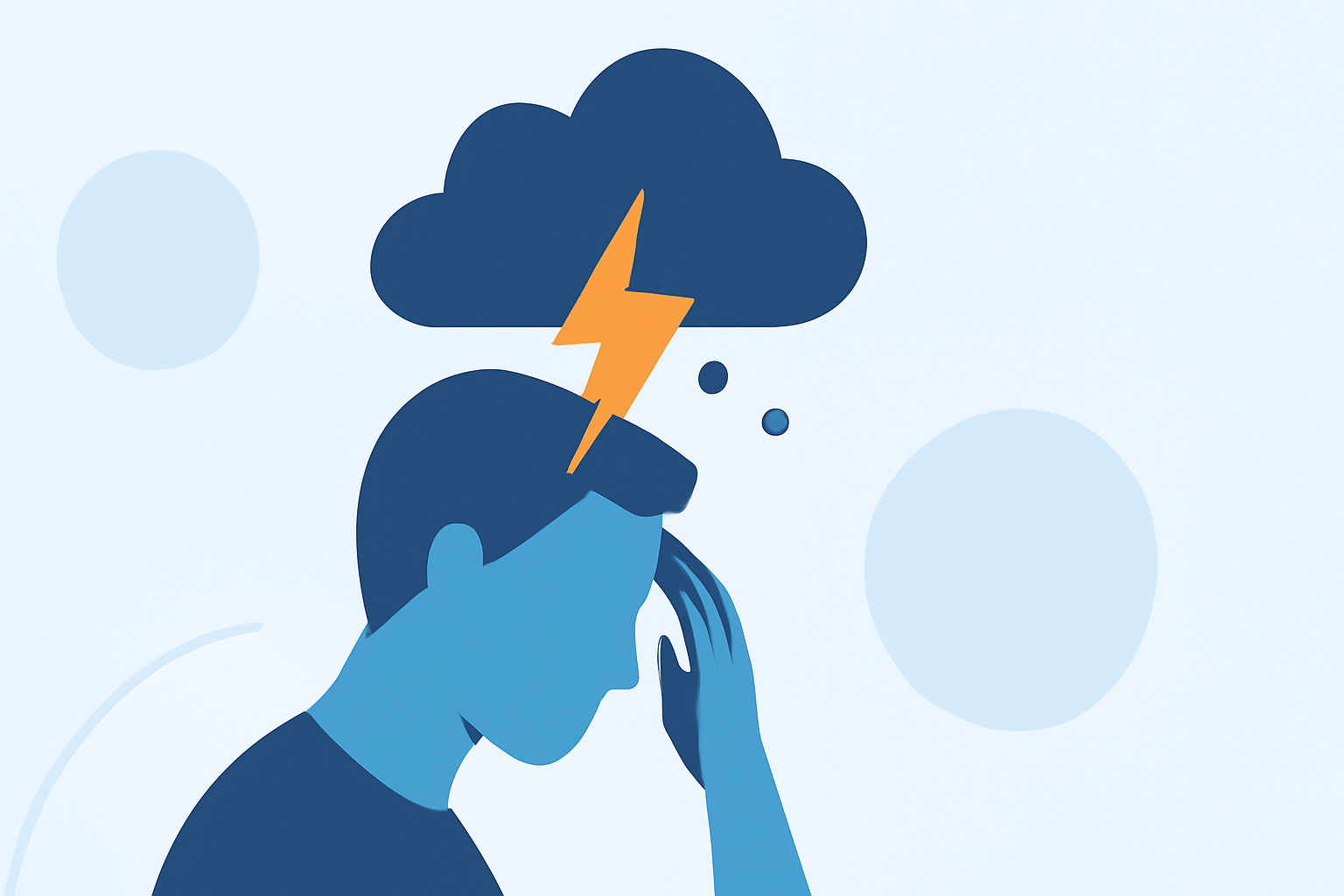
Migraines are complex neurological events that can be influenced by a variety of factors, including environmental conditions. For many individuals, specific weather patterns serve as triggers, leading to the onset of migraine attacks. Understanding these connections is crucial for effective management and prevention.
How Do Weather Changes Affect Migraines?
Research indicates that certain weather conditions can trigger migraine episodes in susceptible individuals. Key factors include:
-
Temperature Fluctuations: Sudden changes in temperature, whether hot or cold, can provoke migraines. Extreme heat, in particular, has been associated with an increased frequency of migraine attacks. (newsroom.clevelandclinic.org)
-
Humidity Levels: High humidity can lead to dehydration, a known migraine trigger. Additionally, humidity changes may affect brain chemicals, contributing to migraine onset. (healthline.com)
-
Barometric Pressure Shifts: Fluctuations in atmospheric pressure, often preceding storms, can impact the sinuses and brain, potentially triggering migraines. (newsroom.clevelandclinic.org)
-
Storms and Thunderstorms: The arrival of storms can bring sudden changes in weather patterns, including rapid temperature drops and increased humidity, both of which may trigger migraines. (newsroom.clevelandclinic.org)
Identifying Your Personal Weather Triggers
Not all individuals are affected by weather changes in the same way. To determine if weather is a trigger for your migraines:
-
Maintain a Migraine Diary: Record the timing, duration, and intensity of each migraine, along with detailed notes on weather conditions at the time.
-
Analyze Patterns: Review your entries to identify any consistent weather-related triggers.
-
Consult Healthcare Professionals: Share your findings with your doctor to discuss potential preventive strategies.
Strategies to Manage Weather-Related Migraines
While weather-induced migraines cannot always be prevented, certain strategies may help mitigate their impact:
-
Stay Hydrated: Dehydration can trigger migraines; ensure adequate water intake, especially during hot and humid conditions. (mayoclinic.org)
-
Monitor Weather Forecasts: Stay informed about upcoming weather changes that may affect you.
-
Plan Activities Accordingly: On days with weather patterns known to trigger your migraines, consider adjusting your schedule or staying indoors.
-
Use Preventive Medications: Discuss with your healthcare provider the possibility of medications that can help prevent migraines during high-risk weather conditions.
Leveraging Clime for Migraine Management
Clime offers a comprehensive weather tracking solution that can be instrumental for individuals sensitive to weather-related migraine triggers. Key features include:
-
Real-Time Weather Updates: Receive timely information on temperature, humidity, and barometric pressure changes.
-
Customizable Alerts: Set notifications for specific weather conditions that have previously triggered migraines.
-
Historical Data Analysis: Review past weather patterns and their correlation with migraine occurrences to better anticipate future triggers.
By integrating Clime into your daily routine, you can proactively manage and potentially reduce the frequency of weather-related migraine attacks.
Conclusion
Understanding the relationship between weather changes and migraines is essential for effective management. By identifying personal triggers and utilizing tools like Clime, individuals can take proactive steps to minimize the impact of weather-induced migraines on their lives.