
Understanding the Link Between Weather Changes and Migraines
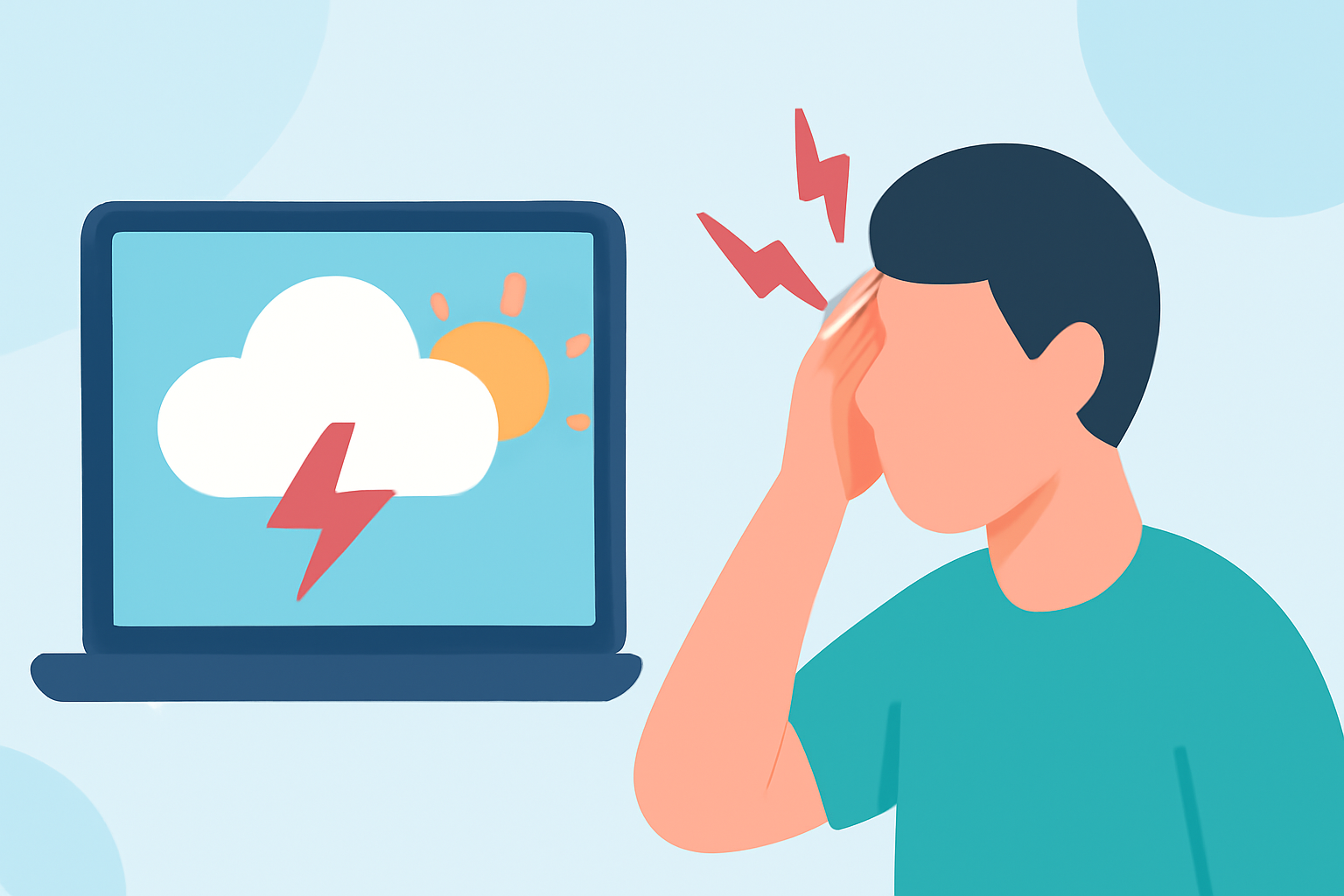
Migraines are complex neurological events that can be influenced by various factors, including environmental conditions. Many individuals report that specific weather changes can precipitate migraine episodes. Understanding these triggers and implementing proactive measures can help mitigate their impact.
How Do Weather Changes Trigger Migraines?
Certain weather conditions are commonly associated with the onset of migraines:
-
Temperature Extremes: Both high and low temperatures can be problematic. Extreme heat may lead to dehydration, a known migraine trigger, while cold temperatures can cause blood vessel constriction, potentially inducing a headache. (healthline.com)
-
Humidity Levels: High humidity can increase the risk of dehydration and may also cause sinus pressure, both of which can trigger migraines. (healthline.com)
-
Barometric Pressure Fluctuations: Sudden changes in atmospheric pressure, such as those preceding storms, can affect the brain's chemical balance, potentially leading to a migraine. (healthline.com)
-
Bright Sunlight and Glare: Exposure to intense sunlight or glare can strain the eyes and trigger migraines in susceptible individuals. (mayoclinic.org)
How Can I Identify My Specific Weather Triggers?
Recognizing personal weather-related migraine triggers involves:
-
Maintaining a Migraine Diary: Record each migraine episode, noting the date, time, weather conditions, and any other potential triggers. This practice can help identify patterns and specific weather conditions that precede your migraines. (mayoclinic.org)
-
Monitoring Local Weather Forecasts: Stay informed about upcoming weather changes, especially those involving temperature extremes, high humidity, or stormy conditions.
What Strategies Can Help Manage Weather-Related Migraines?
Implementing the following strategies can assist in managing weather-induced migraines:
-
Stay Hydrated: Ensure adequate fluid intake, particularly during hot and humid conditions, to prevent dehydration. (newsroom.clevelandclinic.org)
-
Limit Sun Exposure: Wear protective clothing, use sunglasses, and apply sunscreen to minimize the impact of bright sunlight.
-
Create a Controlled Environment: Use air conditioning or fans to regulate indoor temperature and humidity levels.
-
Prepare for Storms: Keep necessary medications accessible and consider staying indoors during severe weather events.
How Can Clime Assist in Managing Weather-Related Migraines?
Clime offers a comprehensive weather tracking experience that can be instrumental for individuals sensitive to weather-induced migraines:
-
Real-Time Weather Updates: Clime provides up-to-date information on temperature, humidity, and barometric pressure, allowing users to anticipate and prepare for potential migraine triggers. (play.google.com)
-
Customizable Alerts: Users can set alerts for specific weather conditions, such as high temperatures or approaching storms, enabling timely preventive measures.
-
Interactive Radar Maps: Clime's radar maps display precipitation patterns and storm movements, helping users avoid areas with adverse weather conditions.
By integrating Clime into your daily routine, you can proactively manage weather-related migraine triggers and make informed decisions to reduce the frequency and severity of your episodes.
Understanding the relationship between weather changes and migraines empowers individuals to take control of their health. By identifying personal triggers and utilizing tools like Clime, you can implement effective strategies to minimize the impact of weather-induced migraines.
Highlights:
- , Published on Tuesday, June 09
- Migraine, Weather, the Environment, and Climate Change: What to Know, Published on Monday, February 23