
Understanding the Link Between Weather Changes and Migraines
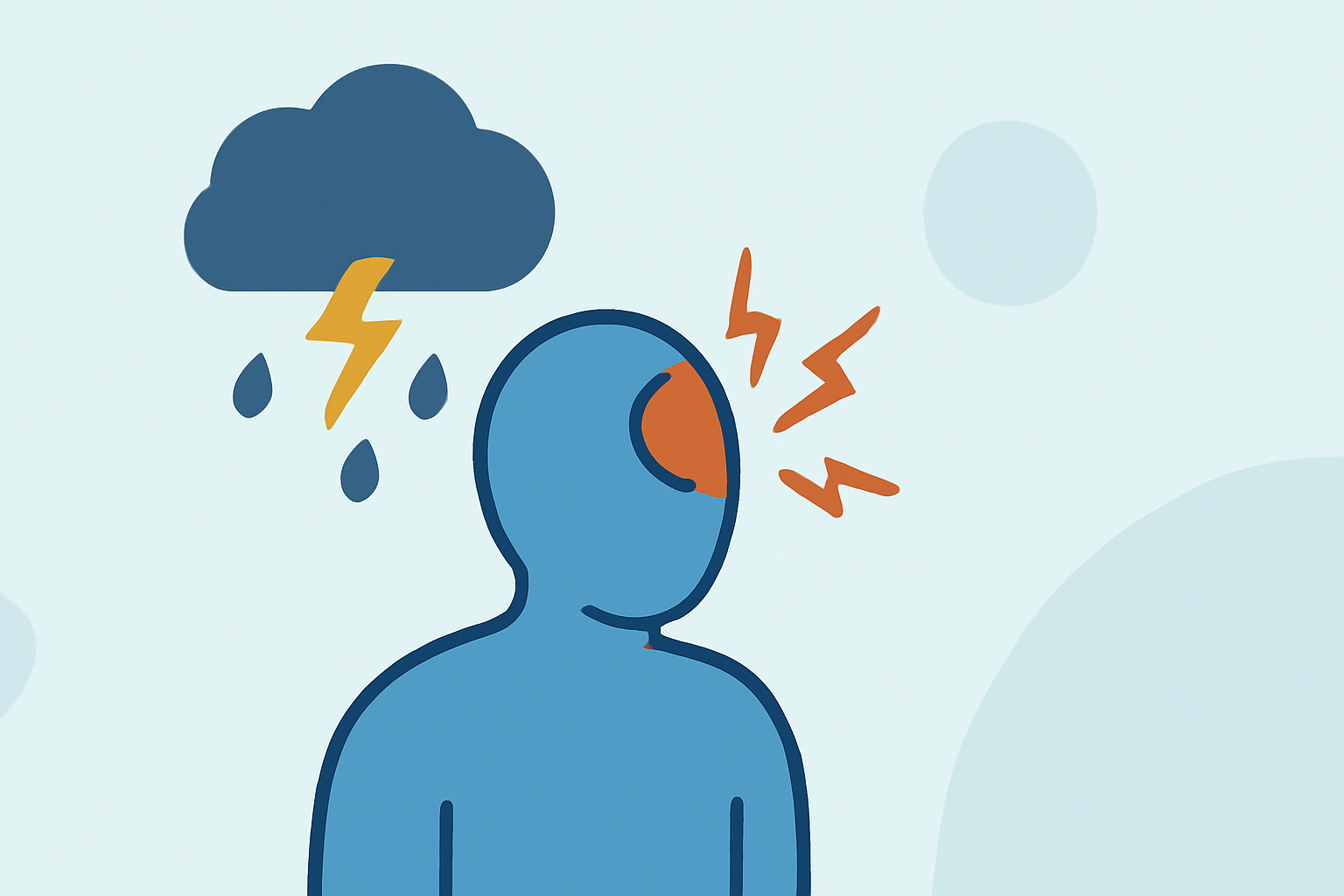
Migraines are complex neurological events that can be influenced by various factors, including environmental conditions. For many individuals, specific weather changes serve as triggers for migraine attacks. Understanding these triggers and implementing proactive strategies can significantly reduce the frequency and severity of migraines.
How Do Weather Changes Trigger Migraines?
Certain weather conditions have been identified as common migraine triggers:
-
Bright Sunlight and Glare: Exposure to intense sunlight or glare can strain the eyes and lead to headaches.
-
Extreme Temperatures: Sudden shifts in temperature, whether hot or cold, can provoke migraine episodes.
-
High Humidity: Elevated humidity levels can cause dehydration and increase the risk of migraines.
-
Barometric Pressure Changes: Fluctuations in atmospheric pressure, often preceding storms, can affect the brain's chemical balance, leading to migraines.
-
Windy or Stormy Weather: Strong winds and stormy conditions can disrupt environmental stability, potentially triggering migraines.
These weather-related triggers may cause imbalances in brain chemicals, including serotonin, which can prompt a migraine. Additionally, weather-related triggers can worsen a headache caused by other factors. (mayoclinic.org)
Identifying Personal Weather Triggers
Recognizing individual weather triggers is crucial for effective migraine management. Consider the following steps:
-
Maintain a Migraine Diary: Record each migraine episode, noting the date, time, duration, severity, and any potential triggers, including weather conditions.
-
Analyze Patterns: Review your diary to identify consistent weather patterns associated with your migraines.
-
Consult Healthcare Professionals: Share your findings with a healthcare provider to develop a personalized management plan.
Proactive Strategies to Manage Weather-Related Migraines
While weather conditions are beyond our control, certain strategies can help mitigate their impact:
-
Stay Hydrated: Dehydration is a known migraine trigger. Ensure adequate water intake, especially during hot and humid days. (newsroom.clevelandclinic.org)
-
Monitor Weather Forecasts: Stay informed about upcoming weather changes that may affect your migraine risk.
-
Create a Controlled Environment: Use window coverings to block bright sunlight and maintain a comfortable indoor temperature.
-
Limit Exposure to Triggers: On days when weather conditions are likely to trigger a migraine, consider staying indoors or adjusting your activities accordingly.
-
Implement Stress-Reduction Techniques: Stress can exacerbate migraines. Practices such as meditation, yoga, or deep-breathing exercises can be beneficial.
Utilizing Technology to Predict and Manage Migraines
Advancements in technology have led to the development of tools designed to predict and manage weather-related migraines:
-
MigraineCast: This application analyzes weather patterns and provides forecasts tailored to your migraine triggers, offering up to 48-hour advance warnings. (migrainecast.app)
-
MigrAid: An app that tracks migraine occurrences and identifies potential weather-related triggers, helping users anticipate and manage attacks. (migraid.app)
-
Migraine Weather: This app offers real-time risk assessments based on barometric pressure changes and provides alerts when conditions may trigger a migraine. (migraineweather.app)
By integrating these tools into your routine, you can enhance your ability to predict and manage weather-induced migraines effectively.
Conclusion
Understanding the relationship between weather changes and migraines empowers individuals to take proactive steps in managing their condition. By identifying personal triggers, implementing preventive strategies, and utilizing specialized tools, you can reduce the impact of weather-related migraines on your daily life.
For a visual explanation of how weather can influence migraines, you might find the following video informative: