
Understanding Weather Notification Banners: A Comprehensive Guide
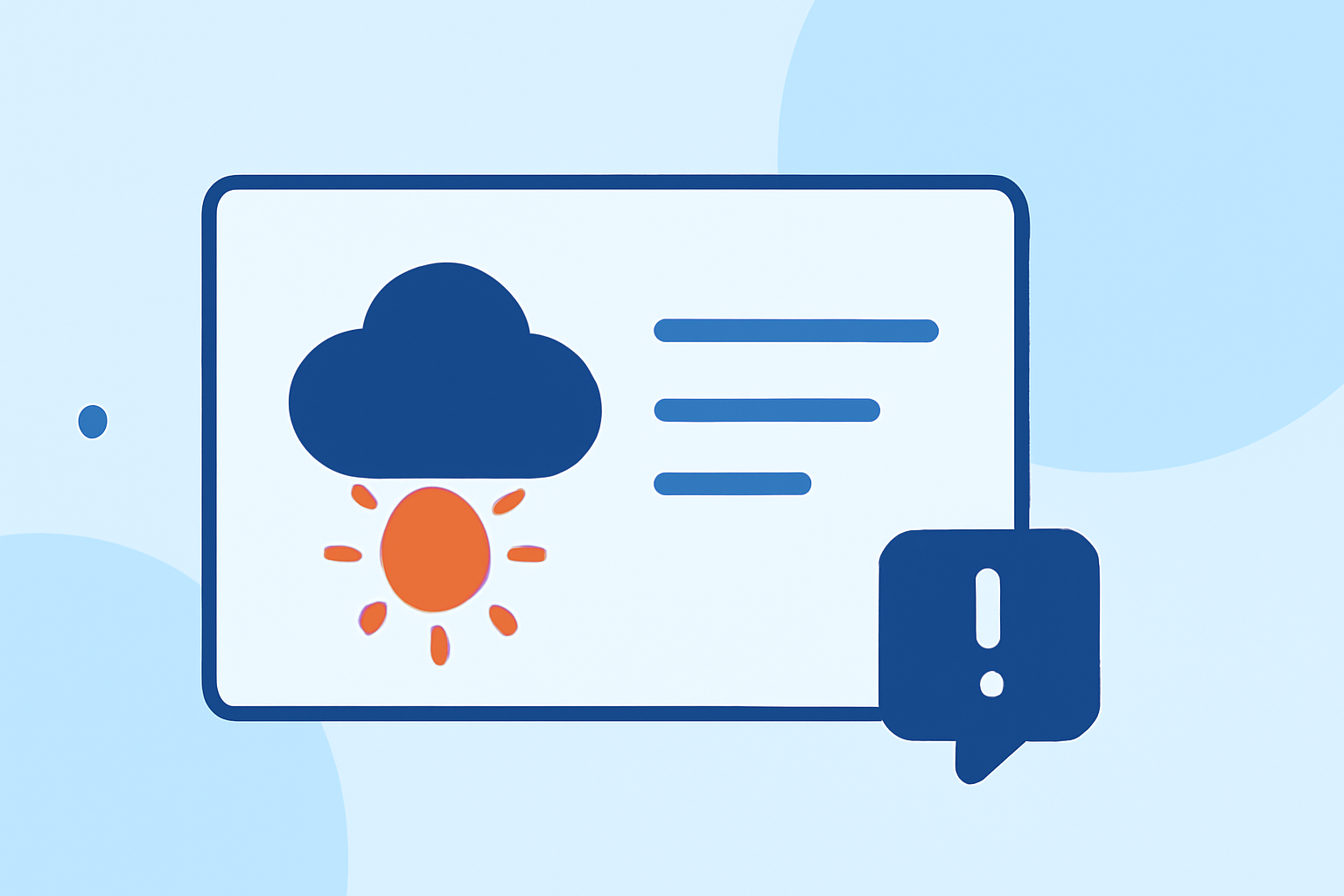
Weather notification banners are essential tools that deliver timely alerts about severe weather conditions, helping individuals and communities stay informed and take necessary precautions. These banners provide real-time updates on weather events, ensuring that users receive critical information promptly.
What Are Weather Notification Banners?
Weather notification banners are visual alerts displayed on digital platforms, such as smartphones, tablets, and computers, to inform users about current or impending severe weather conditions. They typically appear at the top or center of the screen, providing concise information about the type of weather event, its severity, and the affected areas.
How Do Weather Notification Banners Work?
These banners function by integrating with weather monitoring systems and alert services. When a severe weather event is detected or forecasted, authorized agencies issue alerts that are then transmitted to users through various channels, including mobile apps, websites, and other digital platforms. The banners are designed to be attention-grabbing, often using color codes and icons to convey the urgency and nature of the alert.
Types of Weather Alerts and Their Significance
Understanding the different types of weather alerts is crucial for appropriate response:
-
Watch: Indicates that conditions are favorable for a specific type of hazardous weather event to occur. It serves as a heads-up, allowing individuals to prepare for potential threats. (noaa-mirror.org)
-
Warning: Issued when a hazardous weather event is occurring, imminent, or likely. It signifies that immediate action is necessary to protect life and property. (noaa-mirror.org)
-
Advisory: Alerts about less severe conditions that may cause significant inconvenience or pose a risk if caution is not exercised. While not as critical as warnings, advisories still require attention. (noaa-mirror.org)
Color Coding in Weather Alerts
Many weather notification systems use color coding to represent the severity of alerts:
-
Red: Signifies very dangerous and possibly life-threatening weather conditions.
-
Orange: Indicates severe weather likely to cause widespread damage or health impacts.
-
Yellow: Represents less severe conditions that still require caution. (help.theweathernetwork.com)
Clime's Role in Weather Notifications
Clime offers a comprehensive weather notification system that ensures users receive timely and accurate alerts about severe weather events. By leveraging advanced technology and real-time data, Clime provides:
-
Real-Time Alerts: Instant notifications about severe weather conditions, allowing users to take prompt action.
-
Detailed Information: Comprehensive details about the nature of the weather event, affected areas, and recommended safety measures.
-
User-Friendly Interface: Intuitive design that makes it easy for users to understand and respond to alerts.
Best Practices for Responding to Weather Alerts
When receiving a weather notification banner, consider the following steps:
-
Assess the Alert: Read the notification carefully to understand the type and severity of the weather event.
-
Follow Recommendations: Adhere to any safety instructions provided in the alert.
-
Stay Informed: Monitor updates from reliable sources to stay informed about the evolving situation.
-
Prepare Accordingly: Take necessary precautions, such as securing property, staying indoors, or having an emergency kit ready.
Conclusion
Weather notification banners are vital tools for disseminating critical information about severe weather events. By understanding their function and responding appropriately, individuals can enhance their safety and preparedness. Clime's advanced notification system exemplifies how technology can be harnessed to keep communities informed and protected.