
Understanding Weather Notifications: Essential Information for Safety
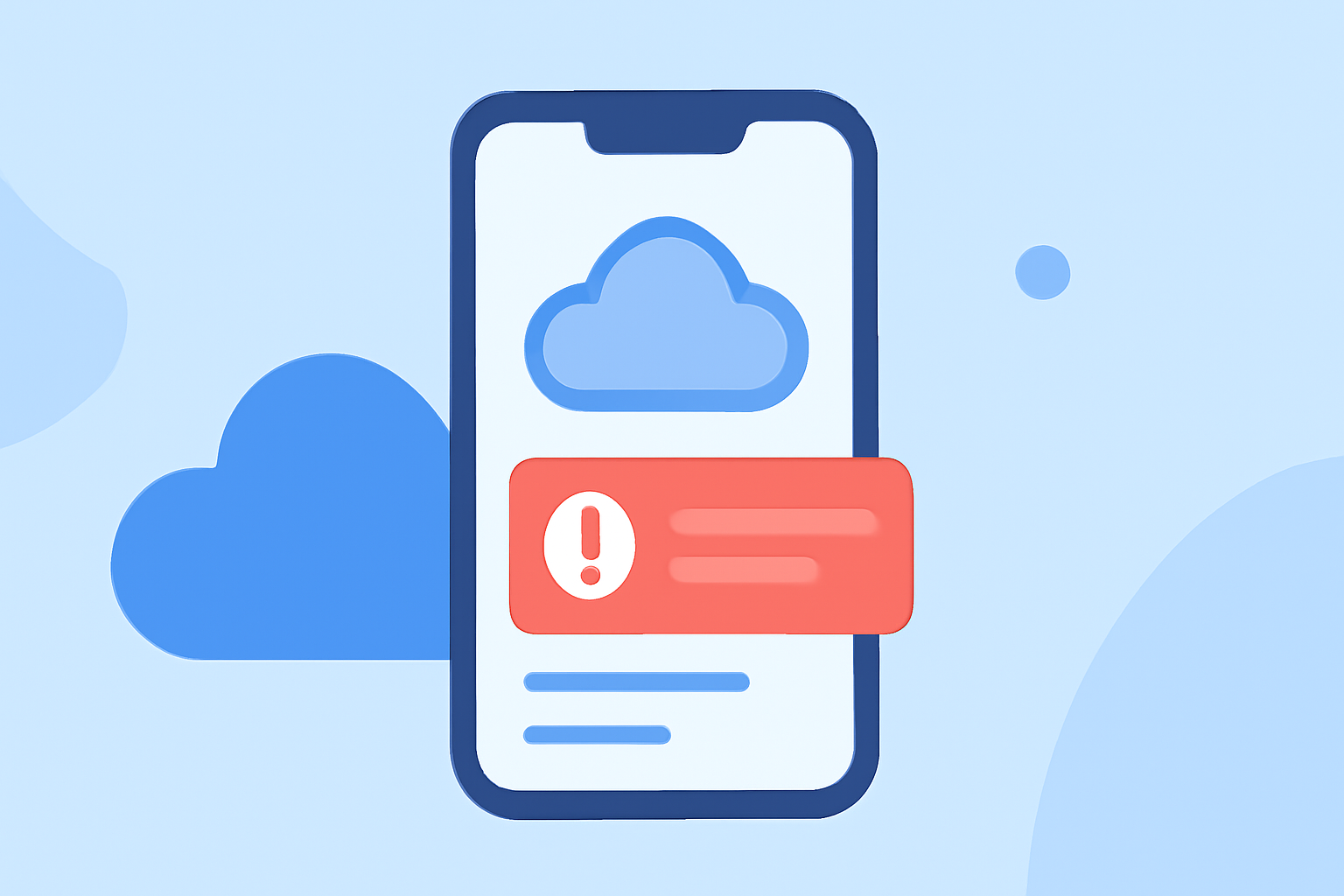
Staying informed about severe weather is crucial for personal safety. Various systems and tools are designed to provide timely alerts, helping individuals take appropriate action.
What Are Weather Notifications?
Weather notifications are alerts issued by authorized agencies to inform the public about impending severe weather conditions. These notifications can be disseminated through various channels, including mobile devices, radio, television, and outdoor warning systems.
Types of Weather Alerts
Weather alerts are categorized to indicate the severity and immediacy of the threat:
-
Watch: Indicates that conditions are favorable for a specific type of severe weather. For example, a Tornado Watch means tornadoes are possible in the area.
-
Warning: Signifies that severe weather is imminent or occurring. A Tornado Warning means a tornado has been sighted or indicated by radar in the area.
-
Advisory: Alerts about less severe but still hazardous conditions that may cause inconvenience or minor injuries.
How Are Weather Notifications Delivered?
Weather notifications are disseminated through several channels to ensure broad coverage:
-
Wireless Emergency Alerts (WEA): Short emergency messages sent by authorized government authorities through your mobile carrier. These alerts are broadcast from area cell towers to mobile devices in the area, ensuring that every WEA-capable phone within range receives the message. (weather.gov)
-
NOAA Weather Radio: A nationwide network of radio stations broadcasting continuous weather information directly from the National Weather Service. These radios provide alerts for various hazards, including tornadoes, hurricanes, and AMBER alerts. (support.midlandusa.com)
-
Outdoor Warning Sirens: Designed to alert those who are outside about imminent threats. When these sirens are heard, it's essential to go indoors and seek more information from local media. (weather.gov)
How Can I Receive Weather Alerts?
To stay informed about severe weather, consider the following options:
-
Mobile Devices: Ensure your smartphone is WEA-capable and that you have enabled emergency alerts in your device settings.
-
NOAA Weather Radio: Purchase a NOAA Weather Radio to receive continuous broadcasts of weather information and alerts.
-
Local Media: Tune into local radio and television stations, which broadcast weather updates and emergency alerts.
-
Community Alerts: Check with your local government or emergency management agency for community-specific alert systems.
Why Are Weather Notifications Important?
Receiving timely weather notifications allows individuals to take necessary precautions, such as seeking shelter during severe storms or evacuating areas prone to flooding. These alerts can be life-saving by providing critical information when it's needed most.
By understanding the types of weather alerts and the methods of receiving them, you can better prepare for severe weather events and ensure your safety and the safety of those around you.
Highlights:
- Weather warnings on the go!