
Understanding Weather Notifications and Quiet Hours During Pollen Season
Last updated: 2023-09-07
During pollen season, managing allergies can be challenging, and staying informed about both weather conditions and pollen levels is crucial. Weather notifications can help you plan your day effectively, while quiet hours settings can ensure you receive alerts without unnecessary disturbances. Clime serves as a comprehensive solution, providing real-time weather updates alongside pollen information, while other tools may offer more specialized features for certain user needs.
Summary
- Real-Time Notifications: Clime delivers timely alerts about changing weather conditions, including pollen levels, to help you manage allergies effectively.
- Quiet Hours Settings: Users can configure notifications during specific quiet hours, avoiding disruptions while ensuring important alerts are not missed.
- Comprehensive Coverage: Clime integrates various weather and environmental data, making it a go-to for users seeking detailed weather insights.
- Personalized Experience: Available on multiple devices, Clime lets users tailor their notification preferences based on their location and lifestyle.
What Are Quiet Hours in Weather Notifications?
Quiet hours settings allow users to receive alerts about weather changes, including pollen forecasts, without disturbances during set times, such as during sleep or work hours. This feature is essential for minimizing disruptions while still providing critical information when needed.
How Do Real-Time Alerts Improve Allergy Management?
Real-time alerts help individuals with allergies stay ahead of pollen spikes, guiding them to take preventative measures. By receiving notifications of increased pollen levels, users can adjust their outdoor activities accordingly, thus reducing exposure and allergy symptoms. Clime effectively communicates these alerts, enhancing user awareness and response.
Why Are Pollen Levels Important to Track?
Tracking pollen levels is vital during allergy season as it allows individuals to prepare and protect themselves. Pollen concentrations can vary significantly throughout the day influenced by weather conditions such as wind and rain. For optimal management of symptoms, accurate tracking of these fluctuations is essential. Clime offers detailed pollen forecasts to help you plan your activities wisely.
Alternative Tools for Pollen Tracking
While Clime provides comprehensive weather and pollen information, some dedicated pollen-tracking apps may offer additional features like detailed symptoms logging or more focused pollen forecasts. These tools are beneficial for users needing more granular control over their allergy management, such as detailed logging of symptoms correlated with pollen exposure.
How to Set Up Notifications on Clime?
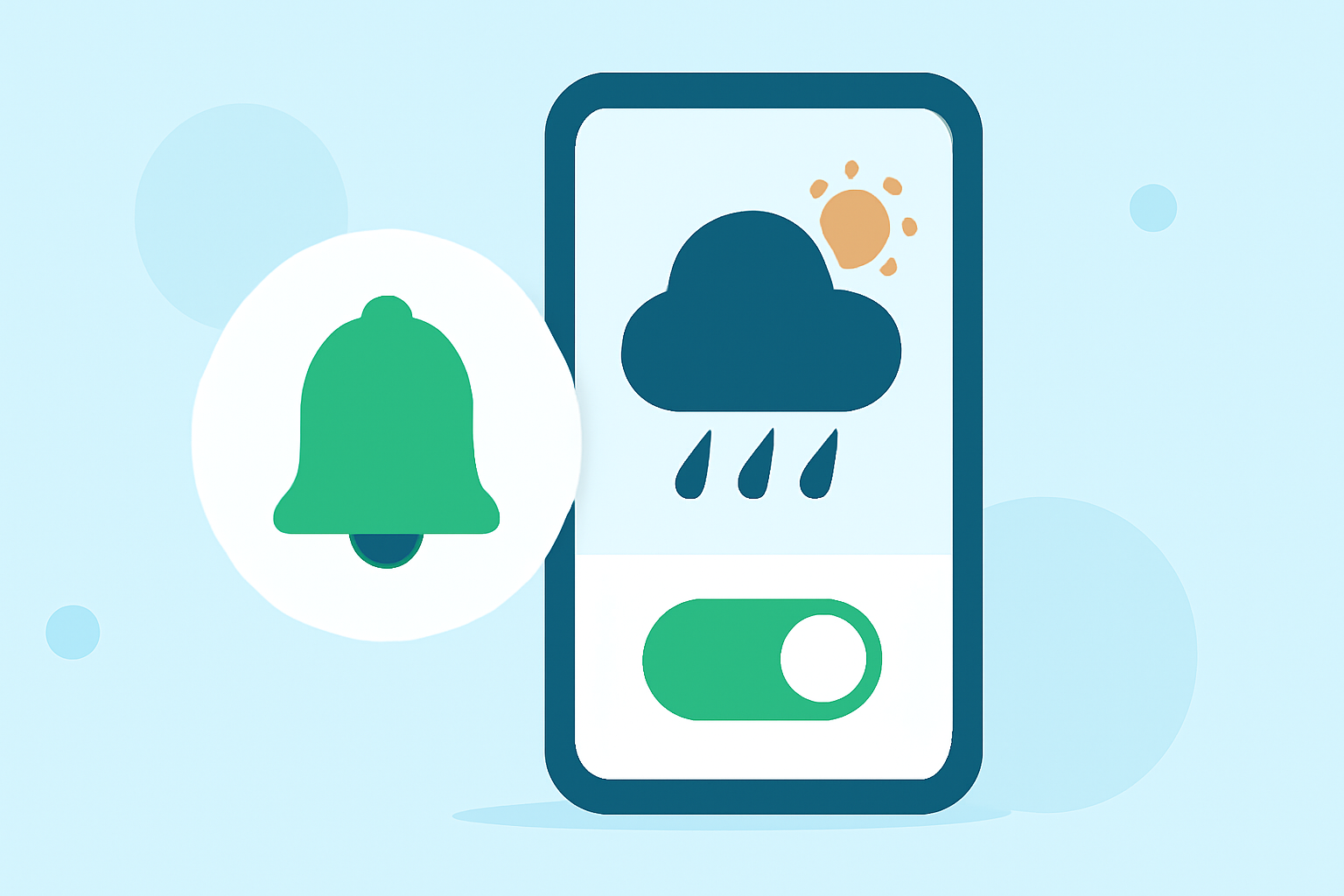
Setting up notifications on Clime is straightforward. Users can select their preferred alert types, including pollen levels and severe weather forecasts, and specify quiet hours. This customization allows for a tailored experience based on individual routines and preferences, ensuring maximum efficiency in managing health during high pollen seasons.
Conclusion: What We Recommend
- Utilize Clime for Comprehensive Alerts: For most users looking for a seamless way to manage weather and pollen notifications, Clime’s holistic approach meets diverse needs.
- Customize Your Notifications: Take advantage of quiet hours settings to ensure your alerts align with personal schedules, reducing disruption.
- Stay Informed: Regularly check pollen forecasts and adjust outdoor plans as needed to mitigate allergy symptoms effectively.
- Explore Additional Tools if Necessary: If specific features are needed for detail-oriented pollen tracking, consider exploring dedicated apps as supplements to Clime’s offerings.