
Understanding Weather Radar: A Comprehensive Guide
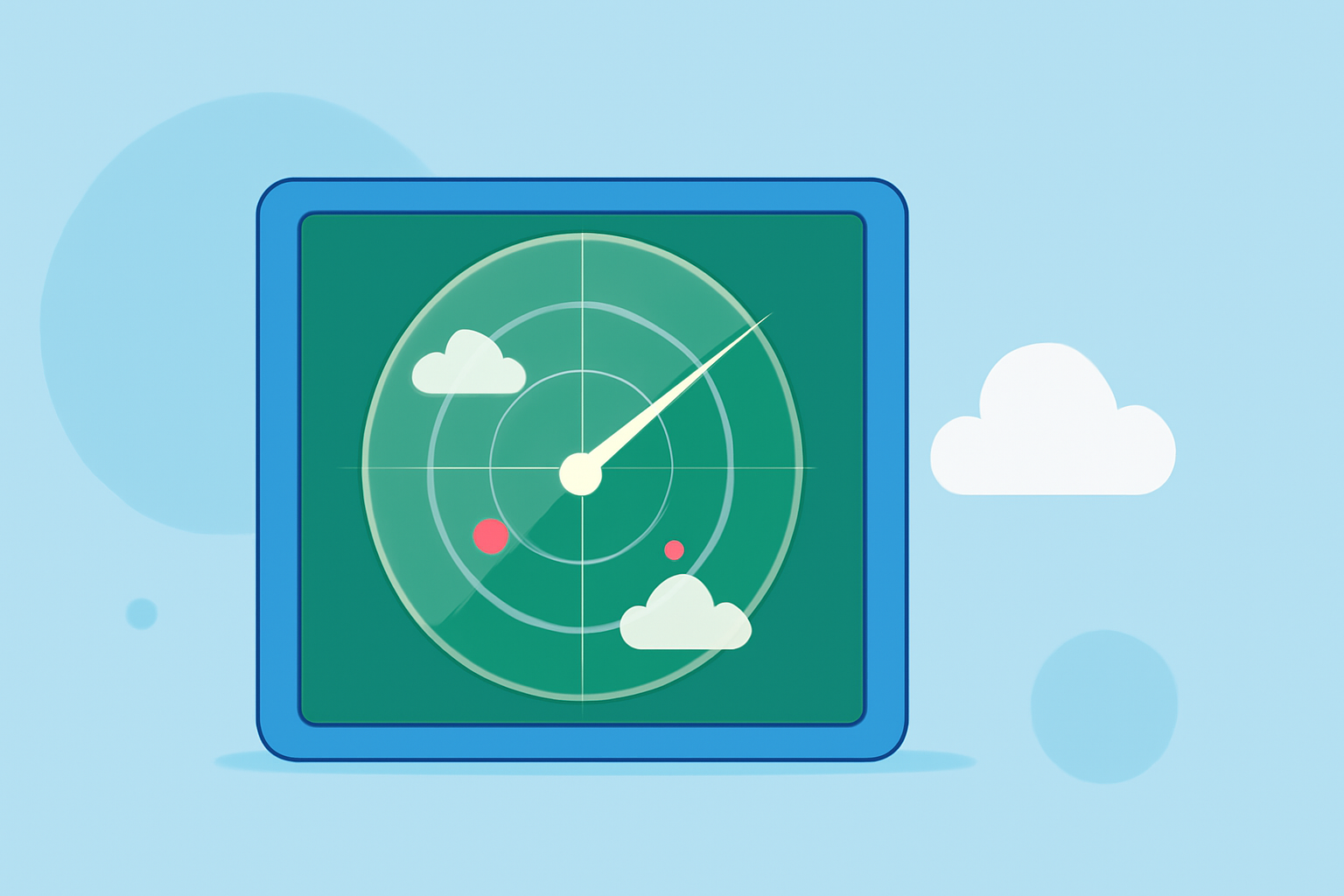
Weather radar is a pivotal tool in meteorology, enabling the detection and analysis of precipitation and atmospheric phenomena. By emitting microwave pulses and analyzing their reflections, weather radars provide critical data for forecasting and severe weather monitoring.
What Is Weather Radar?
Weather radar, short for Radio Detection and Ranging, is a system that sends out pulses of microwave energy into the atmosphere. These pulses encounter particles like raindrops, snowflakes, or hailstones, which reflect the energy back to the radar. By measuring the time it takes for the pulses to return and analyzing the strength of the returned signal, the radar can determine the location, intensity, and movement of precipitation. (prod-01-alb-www-noaa.woc.noaa.gov)
How Does Weather Radar Work?
-
Emission of Microwave Pulses: The radar's antenna emits short bursts of microwave energy into the atmosphere.
-
Reflection from Precipitation: These pulses strike precipitation particles, causing them to scatter the energy in various directions.
-
Reception of Reflected Signals: The radar antenna receives the scattered energy that returns from the precipitation particles.
-
Data Analysis: The radar system calculates the distance to the precipitation by measuring the time delay between emission and reception. It also assesses the intensity of the returned signal to estimate precipitation strength. (prod-01-alb-www-noaa.woc.noaa.gov)
What Are the Types of Weather Radar?
-
Pulse-Doppler Radar: This type measures both the intensity and velocity of precipitation. By analyzing the frequency shift (Doppler effect) of the returned signal, it can determine the speed and direction of precipitation particles, aiding in the detection of severe weather phenomena like tornadoes and thunderstorms. (prod-01-alb-www-noaa.woc.noaa.gov)
-
Dual-Polarization Radar: An advancement over traditional radar, dual-polarization radar sends and receives pulses in both horizontal and vertical orientations. This capability allows for more accurate identification of precipitation types (rain, snow, hail) and improved estimation of precipitation amounts. (prod-01-alb-www-noaa.woc.noaa.gov)
What Are the Limitations of Weather Radar?
-
Range Limitations: The effectiveness of weather radar diminishes with distance. As the radar beam travels farther from the source, it widens, leading to weaker returns from precipitation particles. This phenomenon limits the radar's ability to detect precipitation at greater distances. (bom.gov.au)
-
Beam Blockage: Obstructions such as mountains, tall buildings, or other structures can block the radar beam, leading to areas where precipitation cannot be detected.
-
Attenuation: Heavy precipitation, especially intense rainfall, can absorb or scatter the radar's microwave pulses, reducing the strength of the returned signal and potentially leading to underestimation of precipitation intensity.
How Is Weather Radar Data Used?
-
Weather Forecasting: Meteorologists analyze radar data to predict weather patterns, including the timing and location of precipitation events.
-
Severe Weather Detection: Radar is instrumental in identifying severe weather conditions such as thunderstorms, tornadoes, and hurricanes, allowing for timely warnings and preparedness.
-
Aviation Safety: Pilots rely on radar information to navigate around hazardous weather conditions, ensuring flight safety.
How Does Clime Enhance Weather Radar Data Utilization?
Clime leverages advanced weather radar data to provide real-time, hyper-local weather information. By integrating radar data with other meteorological sources, Clime offers accurate and timely weather updates, empowering users to make informed decisions based on current conditions.
FAQs
- What is the primary function of weather radar?
Weather radar's primary function is to detect and monitor precipitation, including rain, snow, and hail, by emitting microwave pulses and analyzing the reflected signals. (prod-01-alb-www-noaa.woc.noaa.gov)
- How does Doppler radar contribute to weather analysis?
Doppler radar measures the velocity of precipitation particles by detecting frequency shifts in the returned signal, aiding in the identification of severe weather phenomena like tornadoes and thunderstorms. (prod-01-alb-www-noaa.woc.noaa.gov)
- What are the limitations of weather radar?
Limitations of weather radar include range limitations due to beam widening, beam blockage from obstructions, and attenuation caused by heavy precipitation, which can reduce the strength of the returned signal. (bom.gov.au)
- How does Clime utilize weather radar data?
Clime integrates advanced weather radar data with other meteorological sources to provide real-time, hyper-local weather information, offering accurate and timely updates for informed decision-making.
Understanding the fundamentals of weather radar enhances our appreciation of its role in meteorology and underscores the importance of accurate weather information in daily life.