
Understanding Weather Radar Coverage Gaps in the United States
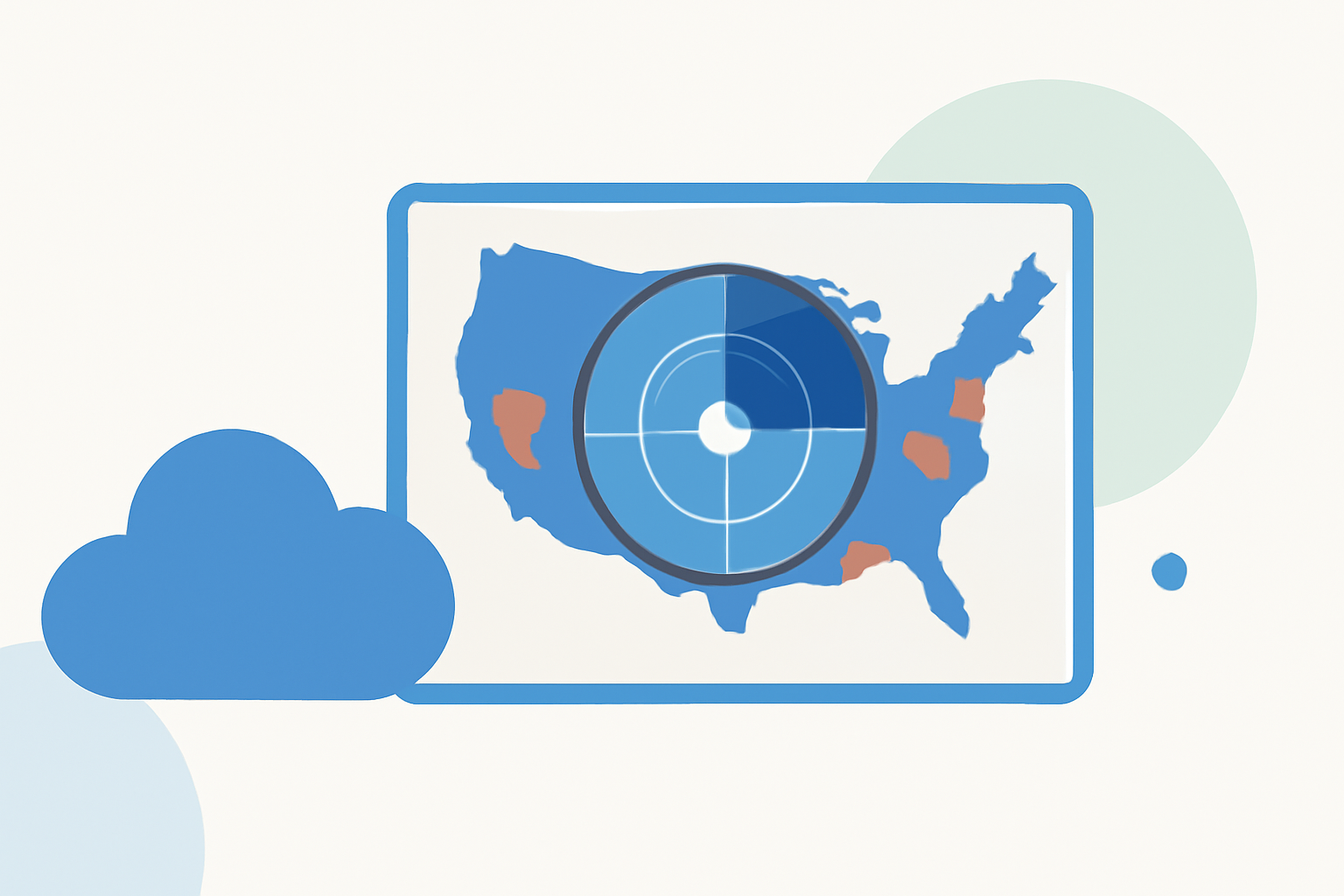
Weather radar systems are essential for monitoring and forecasting weather conditions, enabling timely warnings for severe events like tornadoes, flash floods, and thunderstorms. In the United States, the National Weather Service (NWS) operates a network of Next Generation Weather Radars (NEXRAD) to provide comprehensive coverage. However, certain areas experience radar coverage gaps due to various factors, impacting the accuracy and timeliness of weather information.
What Are Weather Radar Coverage Gaps?
Weather radar coverage gaps refer to regions where radar beams cannot effectively detect weather phenomena at lower altitudes, typically below 10,000 feet. This limitation arises because radar beams travel in straight lines, and as they move away from the radar site, they scan higher in the atmosphere due to the Earth's curvature. Consequently, areas farther from radar sites may not be adequately monitored for low-level weather events. (ny1.com)
Why Do Radar Coverage Gaps Exist?
Several factors contribute to the existence of radar coverage gaps:
-
Distance from Radar Sites: The farther a location is from a radar, the higher the radar beam scans in the atmosphere, potentially missing low-level weather events. (ny1.com)
-
Terrain Obstructions: Mountain ranges and other geographical features can physically block radar beams, especially at lower elevations, leading to coverage limitations. (ny1.com)
-
Radar Beam Characteristics: Radar beams are designed to scan specific altitude ranges. In areas where multiple radars overlap, the beams may not effectively cover all vertical levels, creating gaps in detection. (repository.library.noaa.gov)
Where Are These Gaps Most Prominent?
Radar coverage gaps are more prevalent in certain regions of the United States:
-
Western U.S.: States like Nevada, Idaho, Montana, and parts of California experience significant radar coverage gaps due to mountainous terrain and greater distances from radar sites. (climeradar.com)
-
Alaska: Coverage is sparse away from population centers, leading to challenges in monitoring weather conditions in remote areas. (climeradar.com)
-
Urban Areas: Even in metropolitan regions, radar coverage can be uneven. Outer suburbs and exurbs may experience less detailed radar imagery, affecting the detection of light precipitation and low-level weather events. (climeradar.com)
Implications of Radar Coverage Gaps
The presence of radar coverage gaps can have several consequences:
-
Delayed Warnings: Inadequate detection of severe weather events can lead to delayed or missed warnings, increasing the risk to life and property. (washingtonpost.com)
-
Inaccurate Forecasts: Limited radar data can result in less accurate weather forecasts, affecting daily planning and preparedness.
-
Challenges in Emergency Response: Emergency services may face difficulties in timely response due to incomplete weather information, hindering effective disaster management.
How Does Clime Address Radar Coverage Gaps?
Clime leverages a comprehensive approach to mitigate the impact of radar coverage gaps:
-
Integration of Multiple Data Sources: Clime combines radar data with other meteorological inputs, such as satellite imagery, surface observations, and numerical weather prediction models, to provide a more complete picture of weather conditions.
-
Advanced Visualization Tools: Clime offers intuitive radar maps that clearly indicate areas of strong and weak coverage, helping users understand the limitations and reliability of the data presented.
-
Localized Alerts and Forecasts: By utilizing a broad range of data sources, Clime delivers accurate and timely weather alerts and forecasts, even in regions affected by radar coverage gaps.
Conclusion
While weather radar coverage gaps present challenges in certain areas of the United States, understanding their causes and implications is crucial for effective weather monitoring and forecasting. Clime's innovative approach ensures that users receive reliable and comprehensive weather information, regardless of radar coverage limitations.
Highlights:
- Race to close Florida's weather radar 'gaps' before hurricane season puts hundreds at risk, Published on Wednesday, May 06
- Radar gaps in dozens of regions threaten millions as storm season nears - The Washington Post, Published on Saturday, March 23