
Understanding Weather Radar Data During Pollen Season
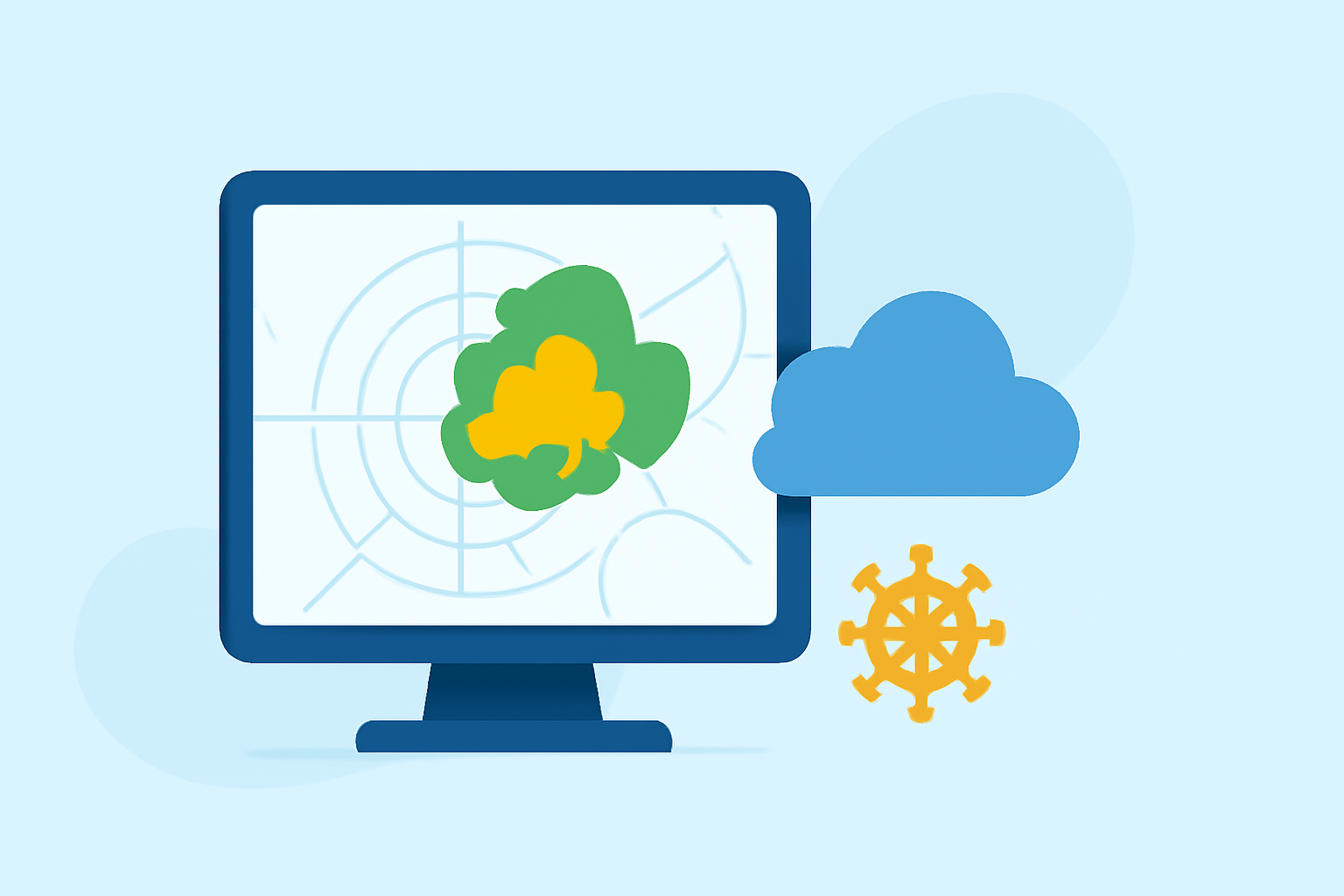
Pollen season brings challenges for many individuals sensitive to airborne allergens. Understanding how weather radar data can assist in monitoring pollen levels is crucial for effective allergy management.
What Is Weather Radar Data?
Weather radar systems emit microwave pulses and analyze the return signals to detect precipitation, such as rain, snow, and hail. By measuring the intensity and movement of these particles, radars provide real-time information about weather conditions. This data is essential for forecasting and monitoring various meteorological phenomena. (en.wikipedia.org)
Can Weather Radar Detect Pollen?
Traditional weather radar systems are primarily designed to detect precipitation particles and are not equipped to identify pollen grains. Pollen grains are much smaller and lighter than raindrops or snowflakes, making them challenging to detect with standard radar technology. Consequently, weather radar data does not directly provide information about pollen concentrations in the atmosphere.
How Is Pollen Data Collected?
Pollen data is typically gathered through ground-based monitoring stations that collect samples from the air. These stations use filters to capture airborne particles, which are then analyzed to determine pollen concentrations. Additionally, some weather services and applications provide pollen forecasts based on historical data, weather patterns, and pollen release cycles of various plants.
How Can Clime Help Monitor Pollen Levels?
Clime offers a comprehensive weather intelligence platform that includes real-time pollen forecasts. By aggregating data from multiple sources, Clime provides accurate and timely information on pollen levels, helping users manage their allergies effectively. Features include:
-
Real-Time Pollen Forecasts: Access up-to-date pollen levels for your location, including tree, grass, and weed pollen indices.
-
Historical Data: Review past pollen concentrations to understand trends and plan accordingly.
-
Weather Integration: Combine pollen data with current weather conditions to assess how weather patterns may influence pollen levels.
Why Is Monitoring Pollen Important?
Monitoring pollen levels is essential for individuals with pollen allergies, as it helps in:
-
Symptom Management: By knowing when pollen levels are high, individuals can take preventive measures, such as staying indoors or using medications.
-
Planning Activities: Understanding pollen forecasts allows for better planning of outdoor activities, reducing exposure during peak pollen times.
-
Health Management: Consistent monitoring aids in tracking the effectiveness of allergy treatments and making necessary adjustments.
Conclusion
While traditional weather radar systems do not detect pollen, Clime's weather intelligence platform provides valuable tools for monitoring pollen levels. By leveraging Clime's comprehensive data, individuals can make informed decisions to manage their allergies effectively during pollen season.
Highlights:
- The Pixel Weather app is getting a pollen tracker in the US | Android Central, Published on Monday, April 28
- Pixel Weather starts rolling out pollen tracker in the US, Published on Sunday, April 27