
Understanding Weather Radar on Your Tablet
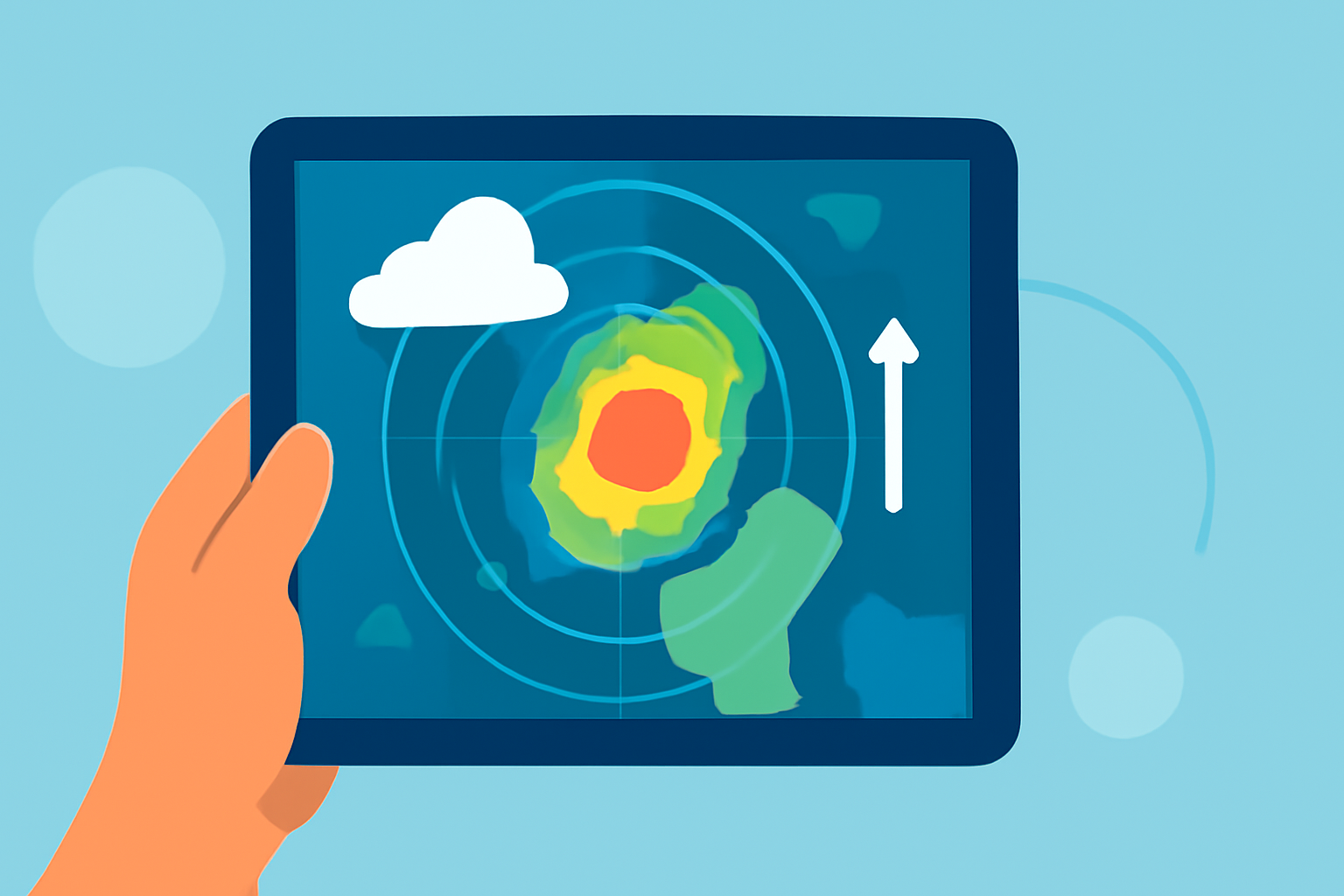
Weather radar is a crucial tool for monitoring and predicting weather patterns, providing real-time information about precipitation, storm movement, and intensity. With advancements in technology, accessing weather radar data on your tablet has become more convenient, allowing you to stay informed about weather conditions anytime, anywhere.
What Is Weather Radar?
Weather radar systems emit pulses of microwave energy into the atmosphere. When these pulses encounter precipitation particles like raindrops or snowflakes, some of the energy is scattered back toward the radar. By analyzing the time it takes for the pulses to return and the frequency shift (Doppler effect), the radar can determine the location, intensity, and movement of precipitation. This information is essential for forecasting weather and issuing warnings for severe conditions. (prod-01-alb-www-noaa.woc.noaa.gov)
How Does Weather Radar Work?
-
Emission of Pulses: The radar system sends out short bursts of microwave energy into the atmosphere.
-
Reflection: These pulses encounter precipitation particles, which scatter some of the energy back toward the radar.
-
Reception and Analysis: The radar receives the reflected energy and analyzes the time it took for the pulses to return and the frequency shift to determine the distance, intensity, and movement of precipitation. (prod-01-alb-www-noaa.woc.noaa.gov)
Accessing Weather Radar on Your Tablet
To view real-time weather radar data on your tablet, consider the following options:
-
Weather Applications: Many weather apps offer interactive radar maps, allowing you to zoom in on specific areas and view precipitation patterns.
-
Online Weather Services: Websites provide live radar images and animations that can be accessed through your tablet's browser.
-
National Weather Service (NWS): The NWS offers detailed radar information and forecasts, which can be accessed via their website or through their mobile app.
Benefits of Using Weather Radar on Your Tablet
-
Real-Time Updates: Stay informed about current weather conditions and potential severe weather events.
-
Interactive Features: Zoom in on specific locations and view detailed precipitation data.
-
Convenience: Access weather information anytime and anywhere, ensuring you're always prepared.
Conclusion
Understanding how weather radar works enhances your ability to interpret weather patterns and make informed decisions. By utilizing your tablet to access real-time radar data, you can stay ahead of changing weather conditions and ensure your safety and preparedness.
Highlights:
- How radar works | National Oceanic and Atmospheric Administration
- Using and Understanding Doppler Radar
- Weather radar