
Understanding Weather-Related Migraine Triggers: A Guide for Beginners
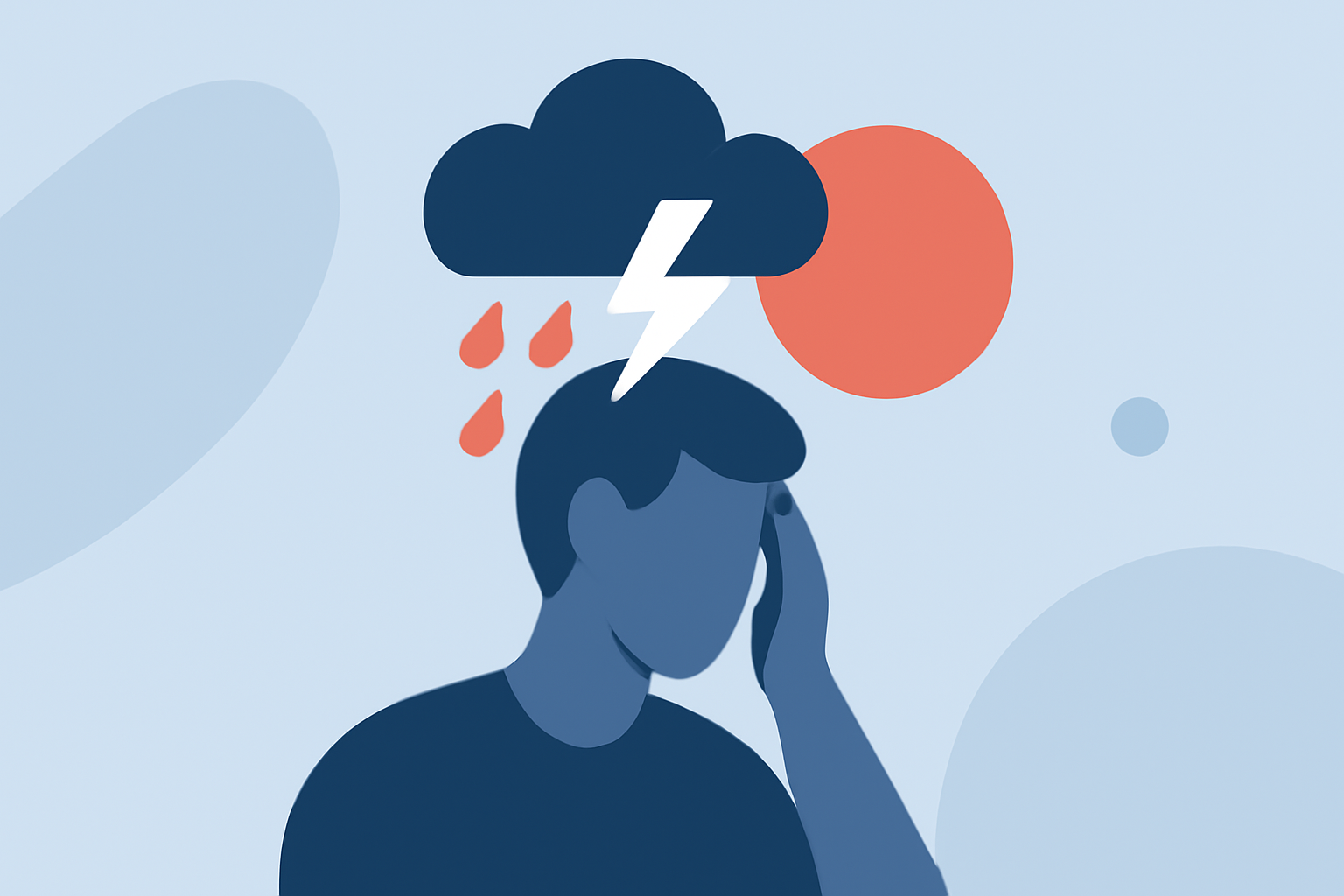
Migraines are intense headaches that can be triggered by various factors, including certain weather conditions. Understanding how weather influences migraine attacks can help individuals take proactive steps to manage their symptoms.
What Weather Conditions Can Trigger Migraines?
Several weather-related factors have been identified as potential migraine triggers:
-
Temperature Extremes: Both extreme heat and cold can provoke migraine attacks. (mayoclinic.org)
-
Humidity Levels: High humidity can increase the risk of migraines, possibly due to dehydration or allergy-driven inflammation. (healthline.com)
-
Barometric Pressure Changes: Sudden shifts in atmospheric pressure, such as those preceding storms, can lead to migraine episodes. (health.clevelandclinic.org)
-
Bright Sunlight and Glare: Exposure to intense sunlight or glare can trigger migraines in some individuals. (mayoclinic.org)
-
Windy or Stormy Weather: Certain individuals may experience migraines during windy or stormy conditions. (mayoclinic.org)
Why Do Weather Changes Trigger Migraines?
The exact mechanisms are not fully understood, but several theories suggest:
-
Chemical Imbalances: Weather changes may cause imbalances in brain chemicals, including serotonin, which can prompt a migraine. (mayoclinic.org)
-
Physical Stress: Extreme temperatures or humidity can stress the body, potentially lowering the threshold for migraine attacks. (nationalgeographic.com)
-
Environmental Factors: Air pollution and high altitudes may also set off migraines, especially during high heat. (healthline.com)
How Can You Manage Weather-Related Migraine Triggers?
While you can't control the weather, you can take steps to minimize its impact:
-
Monitor Weather Forecasts: Stay informed about upcoming weather changes that may affect you.
-
Maintain Hydration: Dehydration can trigger migraines; ensure you drink plenty of water, especially during hot or humid days. (mayoclinic.org)
-
Use Protective Gear: Wear sunglasses to reduce glare and hats to shield from sun exposure.
-
Create a Comfortable Environment: Use fans or air conditioning to regulate indoor temperature and humidity.
-
Keep a Migraine Diary: Track your migraine occurrences alongside weather patterns to identify specific triggers.
When Should You Seek Medical Advice?
If you find that weather changes frequently trigger your migraines, consider consulting a healthcare professional. They can help develop a personalized management plan, which may include preventive medications or other strategies.
Understanding the link between weather and migraines empowers individuals to take proactive steps in managing their health. By staying informed and prepared, you can reduce the impact of weather-related migraine triggers on your daily life.
Highlights:
- , Published on Tuesday, June 09
- What's behind the mysterious rise of migraines? Scientists are uncovering new clues. | National Geographic, Published on Sunday, December 28
- The Link between Weather and Migraines Explained by a Neurologist | Scientific American, Published on Tuesday, July 15