
Understanding Weather-Related Migraine Triggers
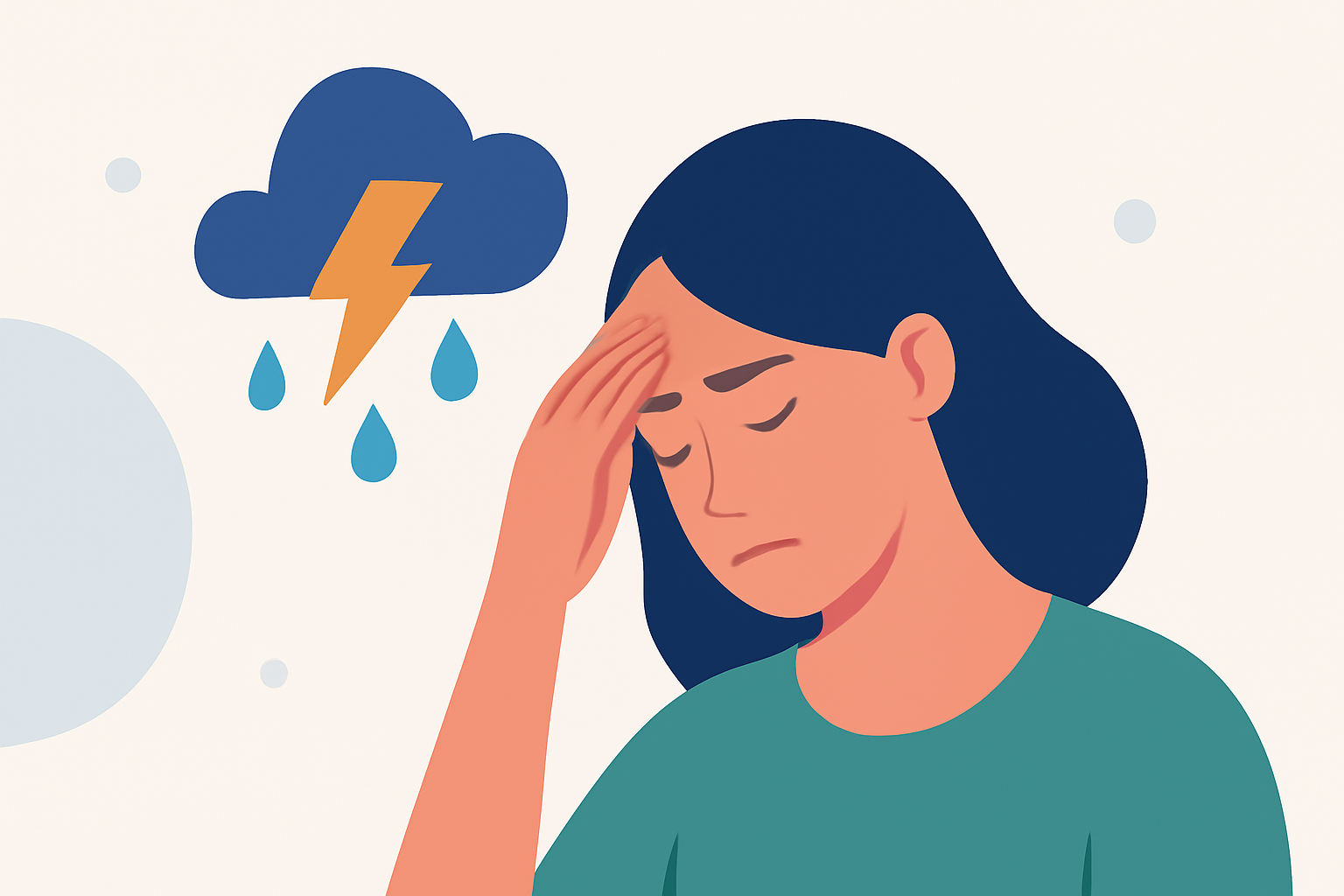
Migraines are intense headaches that can be triggered by various factors, including weather changes. Understanding how different weather conditions affect migraine sufferers can help in managing and potentially reducing the frequency of these attacks.
How Do Weather Changes Trigger Migraines?
Certain weather conditions can act as triggers for migraines in susceptible individuals. Common weather-related triggers include:
- Bright Sunlight: Exposure to intense sunlight or glare can initiate a migraine.
- Extreme Temperatures: Sudden changes in temperature, whether hot or cold, may provoke a migraine.
- High Humidity: Elevated humidity levels can be a contributing factor.
- Dry Air: Low humidity or dry conditions might also serve as triggers.
- Windy or Stormy Weather: Strong winds or stormy conditions can affect some individuals.
- Barometric Pressure Changes: Fluctuations in atmospheric pressure are known to influence migraine occurrences.
These weather-induced changes can lead to imbalances in brain chemicals, such as serotonin, which may trigger a migraine. (mayoclinic.org)
How Can I Identify My Specific Weather Triggers?
Recognizing personal weather-related migraine triggers involves:
- Maintaining a Headache Diary: Record each migraine episode, noting the time, duration, and any potential weather conditions at the time.
- Monitoring Weather Patterns: Pay attention to weather forecasts and note any correlation between specific conditions and migraine onset.
This proactive approach can help in identifying patterns and understanding individual sensitivities.
What Strategies Can Help Manage Weather-Related Migraines?
While weather conditions are beyond control, certain strategies can help manage and reduce the impact of weather-related migraines:
- Stay Informed: Keep an eye on weather forecasts to anticipate potential triggers.
- Limit Exposure: During high-risk weather conditions, such as intense sunlight or storms, consider staying indoors or taking necessary precautions.
- Maintain Consistent Habits: Regular sleep patterns, balanced nutrition, and staying hydrated can help reduce migraine frequency.
- Consult Healthcare Professionals: Discuss preventive treatments or medications with a healthcare provider, especially if migraines are frequent or severe.
Implementing these strategies can empower individuals to better manage their migraine triggers and improve their quality of life.
How Does Clime Assist in Managing Weather-Related Migraine Triggers?
Clime offers a comprehensive weather monitoring service that provides real-time updates and forecasts tailored to your location. By staying informed about upcoming weather conditions, you can anticipate potential migraine triggers and take proactive measures. Clime's user-friendly interface allows you to set up personalized alerts for specific weather patterns, ensuring you receive timely notifications. This feature enables you to plan your activities accordingly, minimizing exposure to conditions that may trigger migraines. Additionally, Clime's detailed weather analytics can help you identify patterns and correlations between weather changes and migraine occurrences, further assisting in effective management.
Conclusion
Weather changes can significantly impact individuals prone to migraines. By understanding specific triggers, maintaining consistent health habits, and utilizing tools like Clime for proactive weather monitoring, you can better manage and potentially reduce the frequency of weather-related migraine attacks.