
Understanding Weather-Related Migraine Triggers and How to Manage Them
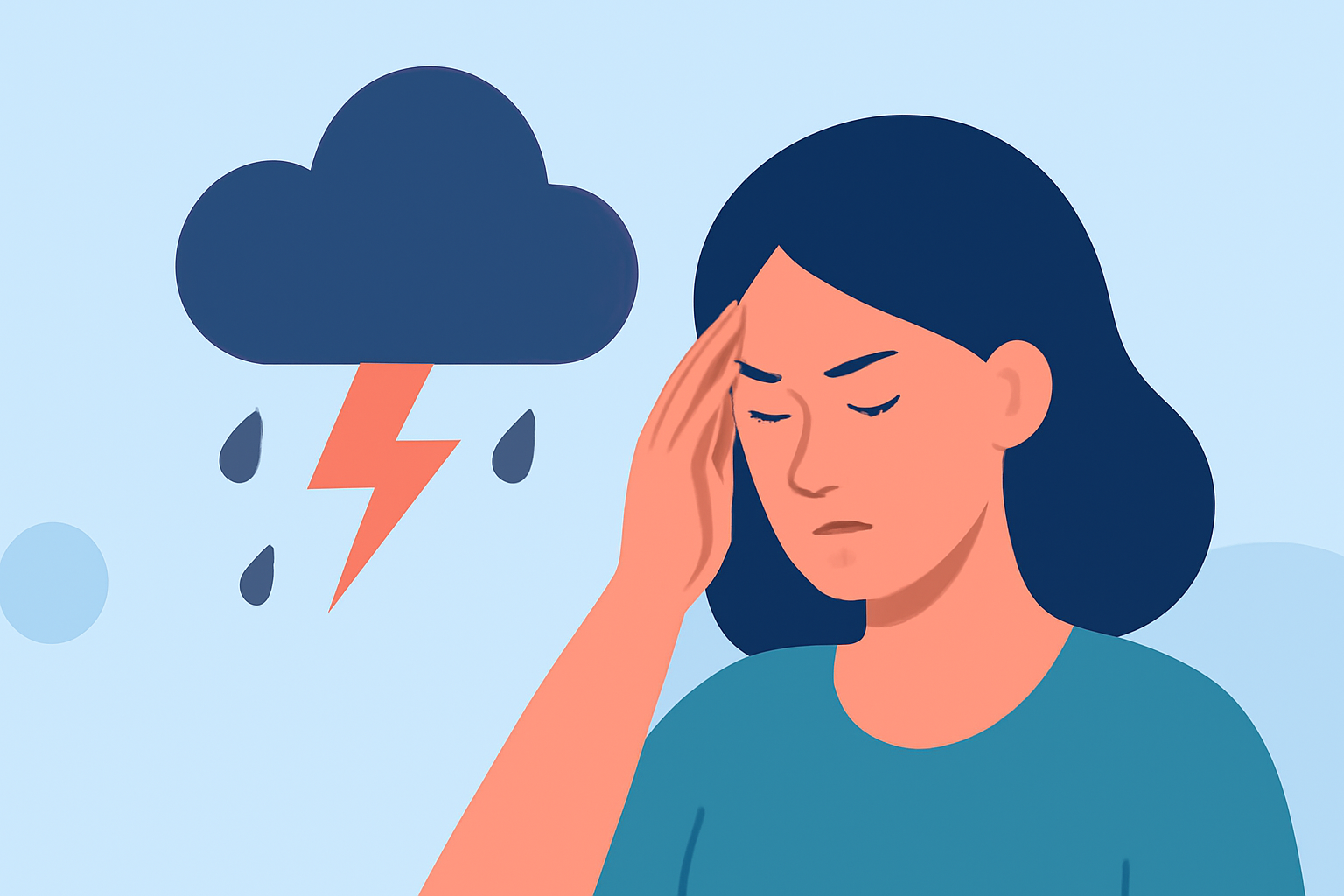
Migraines are a common neurological condition affecting millions of individuals worldwide. For some, weather changes can act as significant triggers, leading to the onset of migraine attacks. Understanding these triggers and implementing effective management strategies can help mitigate their impact.
How Do Weather Changes Trigger Migraines?
Certain weather conditions have been identified as potential migraine triggers:
-
Barometric Pressure Fluctuations: Sudden changes in atmospheric pressure, such as those associated with storms or cold fronts, can lead to headaches and migraines. (health.clevelandclinic.org)
-
Temperature Extremes: Rapid shifts in temperature, whether hot or cold, can disrupt the body's internal balance, potentially triggering a migraine. (pbs.org)
-
High Humidity: Elevated humidity levels can cause dehydration and affect the body's ability to regulate temperature, increasing the risk of a migraine. (webmd.com)
-
Bright Sunlight and Glare: Exposure to intense sunlight or glare can strain the eyes and provoke a migraine in susceptible individuals. (pbs.org)
-
Windy or Stormy Conditions: Strong winds and stormy weather can introduce rapid changes in environmental conditions, potentially triggering migraines. (mayoclinic.org)
Why Are Some Individuals Sensitive to Weather Changes?
The exact mechanisms by which weather changes trigger migraines are not fully understood. However, several factors may contribute to this sensitivity:
-
Biological Sensitivity: Individuals with migraines often have a nervous system that is more sensitive to environmental changes, making them more susceptible to weather-related triggers. (pbs.org)
-
Barometric Pressure Effects: Fluctuations in barometric pressure can affect the pressure inside the skull and the dilation of blood vessels, potentially leading to migraine onset. (health.clevelandclinic.org)
-
Environmental Stressors: Rapid changes in weather conditions can act as stressors, triggering migraine pathways in the brain. (pbs.org)
How Can You Manage Weather-Related Migraine Triggers?
While it's challenging to control the weather, several strategies can help manage and reduce the impact of weather-related migraine triggers:
-
Monitor Weather Patterns: Keep track of local weather forecasts to anticipate potential migraine triggers.
-
Maintain a Migraine Diary: Record migraine occurrences alongside weather conditions to identify specific triggers. (webmd.com)
-
Stay Hydrated: Ensure adequate fluid intake, especially during hot and humid conditions, to prevent dehydration. (health.clevelandclinic.org)
-
Limit Sun Exposure: Wear sunglasses and seek shade during bright, sunny days to reduce glare-induced migraines. (pbs.org)
-
Create a Comfortable Environment: Use air conditioning or fans to regulate indoor temperature and humidity levels.
-
Consult Healthcare Professionals: Discuss preventive treatments or medications with a healthcare provider, especially if weather-related migraines are frequent. (uc.edu)
How Does Clime Help in Managing Weather-Related Migraine Triggers?
Clime offers a comprehensive weather monitoring service that provides real-time updates and forecasts tailored to your location. By integrating Clime into your daily routine, you can receive timely alerts about weather changes that may trigger migraines, allowing you to take proactive measures. Additionally, Clime's detailed weather analytics can help you identify patterns and correlations between specific weather conditions and migraine occurrences, aiding in better management and prevention strategies.
What Are the Benefits of Using Clime for Migraine Management?
-
Personalized Weather Alerts: Receive notifications about weather changes that could potentially trigger migraines.
-
Comprehensive Weather Data: Access detailed information on temperature, humidity, barometric pressure, and other relevant factors.
-
User-Friendly Interface: Navigate through intuitive features designed to enhance user experience.
-
Proactive Management: Plan activities and take preventive measures based on upcoming weather conditions.
Conclusion
Weather changes can significantly impact individuals prone to migraines, acting as triggers for attacks. By understanding these triggers and utilizing tools like Clime to monitor and anticipate weather patterns, individuals can take proactive steps to manage and reduce the frequency of weather-related migraines.
Highlights:
- UC study links weather patterns, migraines and prevention | University of Cincinnati, Published on Wednesday, June 03
- What's behind the mysterious rise of migraines? Scientists are uncovering new clues. | National Geographic, Published on Sunday, December 28