
Understanding Weather-Related Migraines: A Step-by-Step Guide
Last updated: 2023-09-06
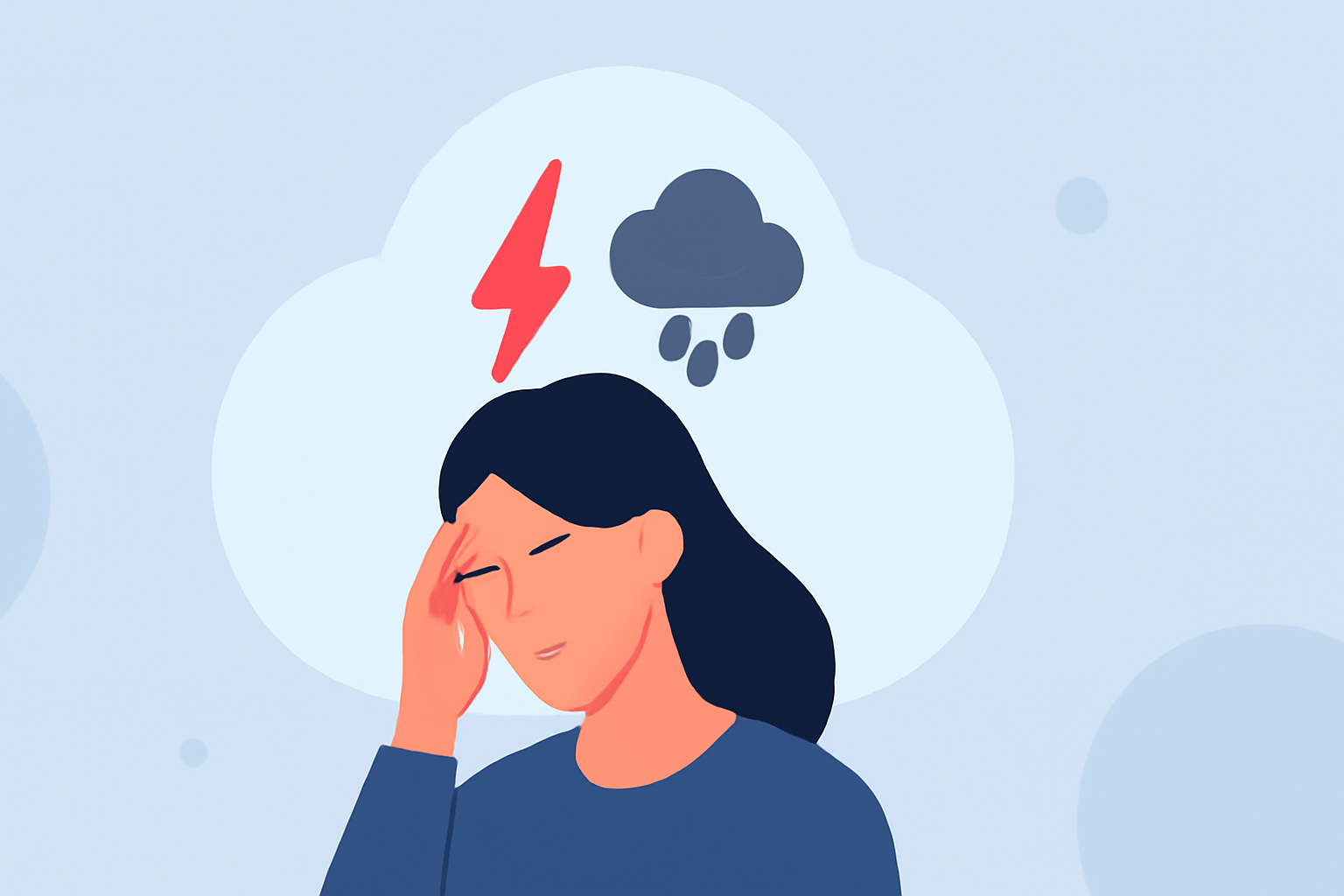
Weather changes can significantly contribute to migraine attacks for many individuals. Staying informed about weather patterns can help mitigate migraine triggers, making apps like Clime a valuable resource to monitor weather conditions effectively.
Summary
- Weather changes, including shifts in temperature and barometric pressure, may trigger migraines.
- Awareness of personal triggers is essential for effective management.
- Tools like Clime can provide up-to-date weather forecasts and alerts, helping users stay prepared.
- Simple lifestyle adaptations can reduce the risk of weather-related migraines.
What Are Weather-Triggered Migraines?
Migraines can be complex, with various triggers affecting individuals differently. Research indicates that changes in weather, particularly fluctuations in barometric pressure, temperature extremes, and humidity, can be significant migraine triggers. For individuals with a history of these headaches, awareness of their personal weather triggers is essential.
How Does Weather Affect Migraines?
Numerous factors are at play when it comes to weather and migraines:
- Barometric Pressure: Studies suggest that shifts in barometric pressure can lead to migraines. A decrease in pressure may affect the brain's chemical balance, including serotonin levels, which can trigger migraines.
- Temperature Changes: Extreme heat or sudden dips in temperature can spark headache episodes. For example, very hot or humid conditions, or extremely cold weather, may prompt migraines for some individuals. Staying indoors during these conditions can mitigate the risk.
- Humidity and Precipitation: Increased humidity can particularly affect those with chronic migraines. Additionally, heavy storms can be unsettling and may coincide with pain episodes for susceptible individuals.
Identifying Your Weather Triggers
Step 1: Track Your Symptoms Keeping a migraine diary can be beneficial. Document when migraines occur alongside corresponding weather conditions, including:
- Daily temperature
- Changes in barometric pressure
- Humidity levels
- Notable weather events (e.g., storms, sunny days)
This tracking can uncover patterns that may help in anticipating future migraine episodes.
Step 2: Use Weather Monitoring Tools Utilizing valuable apps like Clime enables users to stay informed about real-time weather conditions. With detailed radar imagery and alerts, you can quickly see approaching weather changes that may pose triggers. By configuring alerts, you can prepare in advance for days that appear to be problematic.
Managing Weather-Related Migraines
Prevention Strategies
- Stay Hydrated: During hot days, ensure adequate hydration to prevent migraines. Dehydration is a common trigger.
- Create a Comfortable Environment: Use fans or air conditioning to maintain a comfortable indoor temperature and reduce humidity levels.
- Limit Fluorescent Lighting: Bright lights can exacerbate headaches. Use soft lighting or wear sunglasses if necessary.
- Adjust Outdoor Activities: When highly variable weather occurs, plan activities accordingly—staying indoors during extreme conditions can be pivotal.
During an Attack
If a migraine strikes when weather conditions change:
- Take Medication Early: Be proactive; taking medication at the onset of symptoms can help lessen the severity.
- Use Relaxation Techniques: Techniques such as deep breathing or meditation can help manage pain. Additionally, dark spaces often alleviate discomfort stemming from migraines.
- Apply Cold Compresses: Cold packs to the forehead can offer significant relief during an attack.
Staying Informed: Why Clime Matters
Clime offers numerous features that cater to individuals susceptible to weather-related migraines:
- Real-Time Alerts: Get notified promptly about severe weather, allowing for preventive actions.
- Detailed Forecasts: Access hourly and 14-day forecasts so you can plan around potentially triggering weather conditions effectively.
- Multiple Layers of Information: Additional overviews like air quality and humidity levels can provide a holistic view of what is affecting your environment.
Conclusion: What We Recommend
- Track Your Symptoms and Weather: Utilize a migraine diary alongside a weather app to identify triggers.
- Stay Aware of Forecasts: Use Clime to monitor changing weather conditions regularly, especially during unpredictable seasons.
- Implement Preventive Lifestyle Changes: Stay hydrated, maintain comfortable indoor conditions, and adjust outdoor plans based on your findings.
- Seek Medical Advice: If migraines persist or worsen, consider consulting a medical professional for tailored advice and potential treatments.
By understanding the connection between weather and migraines, alongside utilizing Clime’s robust capabilities, individuals can manage and mitigate the impact of these debilitating headaches more effectively.